
Northern Lights in Reykjavik: Complete 2026 Local Guide
(When, Where and How to See Them)
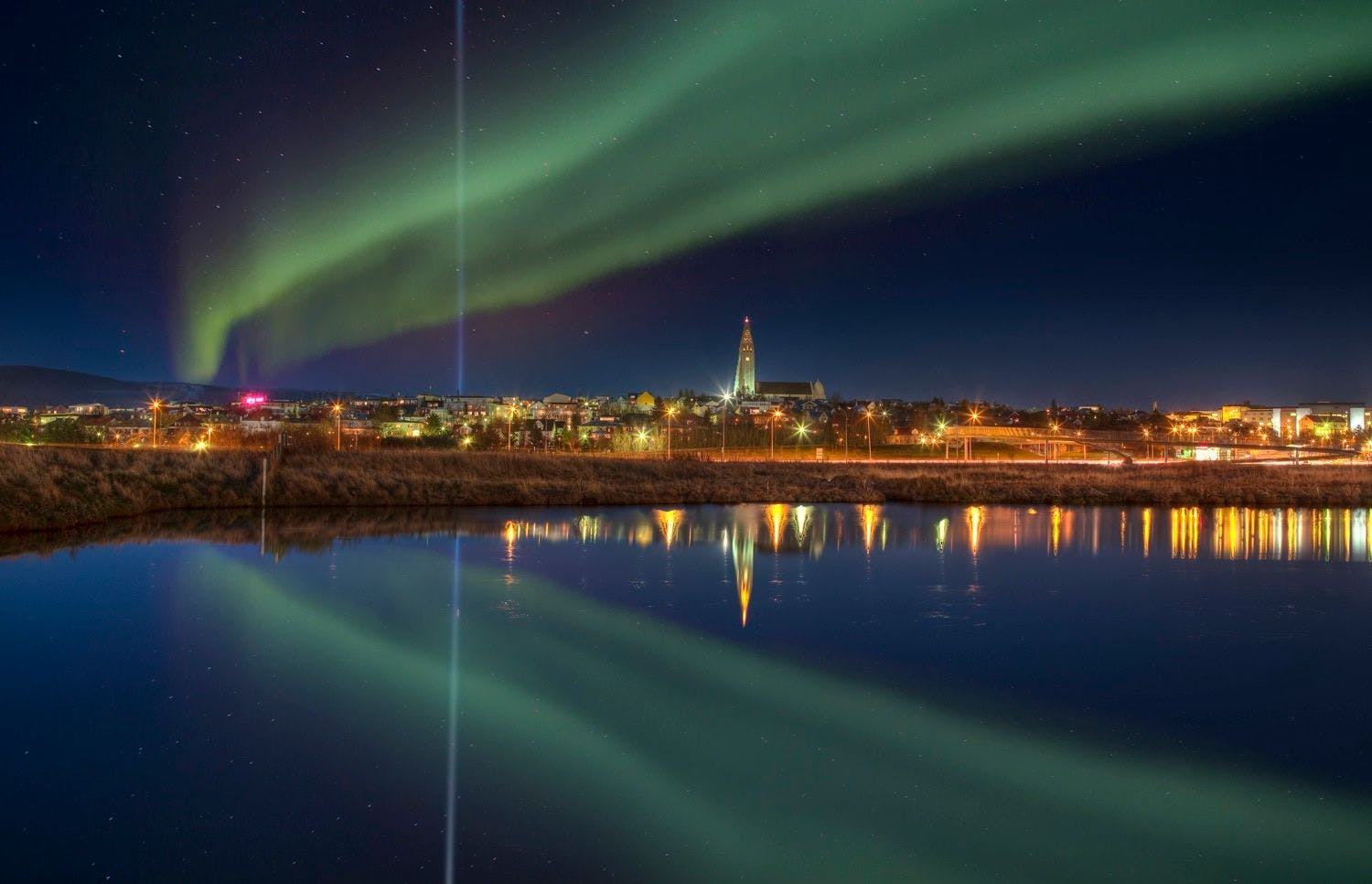
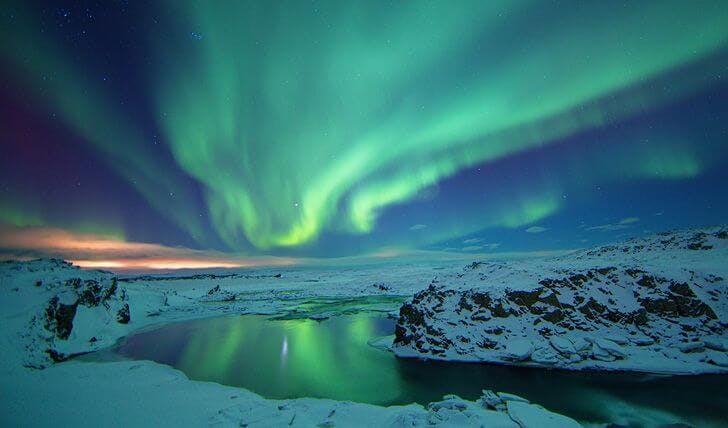
Seeing the northern lights in Iceland is one of the most magical experiences. A soft green glow on the horizon that suddenly bursts into waves of light dancing above you. Even after years of living here, it never gets old.
And you are in the right place. Iceland is one of the best locations in the world to experience the aurora. You have probably seen those dreamy photos of bright green light flowing under the stars. In real life, it feels even more powerful.
The northern lights are a beautiful, rare and romantic natural phenomenon. That also means they are completely unpredictable and sometimes very tricky to find if you do not know when or where to look.
Travelers ask us every day:
Where is the best place to see the northern lights in Iceland?
When is the best month?
How do I increase my chances of seeing the aurora while staying in Reykjavik?
If you are wondering the same things, this guide was made for you. Below is a complete, up to date, local guide to northern lights in Iceland for the 2026 season. When to come. Where to go. How to read the forecast. And the easiest way to give yourself the highest possible chance of seeing the aurora during your trip.

Before we get into the full guide, here is one bit of advice before your trip:
The easiest and most reliable way to see the northern lights is to join a small group tour with an expert guide.
See the best, small-group Northern Lights adventure tour here.
Technically, the northern lights can appear anywhere in Iceland. But with only a few days here, you want to maximise your chances. Seeing the aurora often comes down to being in the right place at the right time, and that part is hard to get right on your own. If the lights show up during your visit, you want to make sure you are there to experience them.
Our expert guides spend their nights watching cloud maps, chasing clear skies and choosing the quietest viewing spots away from light pollution.
This is exactly why we run one of Iceland’s best small group northern lights tours. You get:
- real time route planning based on weather and cloud cover
- a cozy small group experience
- hot chocolate and local treats
- help photographing the aurora
- unlimited free second trip(s) if you do not see lights on your tour
If you want the easiest path to northern lights success, you can book your tour here.
Now let’s dive into the complete 2026 guide. When to come. Where to go. And exactly how to plan your northern lights adventure in Iceland.
Quick Summary
- Season: Late August to late April
- Best months: October, November, December, January February and March
- Best viewing time: 21.00 to 01.00
- Requirements: Darkness, clear skies and solar activity
- Best city spots: Grótta, Öskjuhlíð, Heiðmörk, Mosfellsheiði
- Great country spots: Thingvellir, Snæfellsnes, Vík, North Iceland and Westfjords
- Best Northern Lights Forecast: Icelandic Met Office, see here.
- Easiest experience: A guided small group tour, see here.
When Can You See the Northern Lights in Iceland
You can only see the aurora when the sky is dark. That means Iceland’s northern lights season lasts from late August to late April.
Best months
- October
- November
- December
- January
- February
- March
December and January are extremely dark but often cloudier. The first Northern Lights of the season are usually spotted in late August.
Best time of night
Aim for 21.00 to 01.00. The lights may appear earlier or later, but midnight often brings the strongest activity.
What Causes the Northern Lights

The short, simple version:
- The sun sends charged particles toward Earth
- They collide with particles in our atmosphere
- Those collisions create tiny bursts of light
- These bursts form the aurora
Green is the most common color, but pink, purple and red appear during stronger solar storms or at higher altitudes. No matter how many times you see them, it always feels like watching something ancient and alive.
Where to See the Northern Lights in Iceland
To view the northern lights clearly, you need darkness and solar activity. Darkness is the key. You do not have to travel far, but you do need to be in an area with minimal light pollution.
Most Reliable Method: A Small Group Northern Lights Tour
Winter conditions in Iceland can be unpredictable. Clouds move fast, roads can be icy and reading the aurora forecast is a skill. If seeing the northern lights is at the top of your Iceland must-do list, joining a tour is the most reliable way to maximise your chances.
Northern Lights Adventure Tour (Small Group)

This is the classic northern lights hunt on land. It is the highest rated and most professionally run northern lights experience that we carefully selected from dozens of aurora tours in Iceland. Your guide studies the weather, chases clear skies and takes you to quiet locations with minimal light pollution. Cozy small group vibes, hot chocolate, local treats and a free re-run if the lights do not appear.
If you want the highest overall chance of seeing the aurora, book the Northern Lights Adventure Tour here.
Northern Lights Boat Cruise (From Reykjavik Harbour)
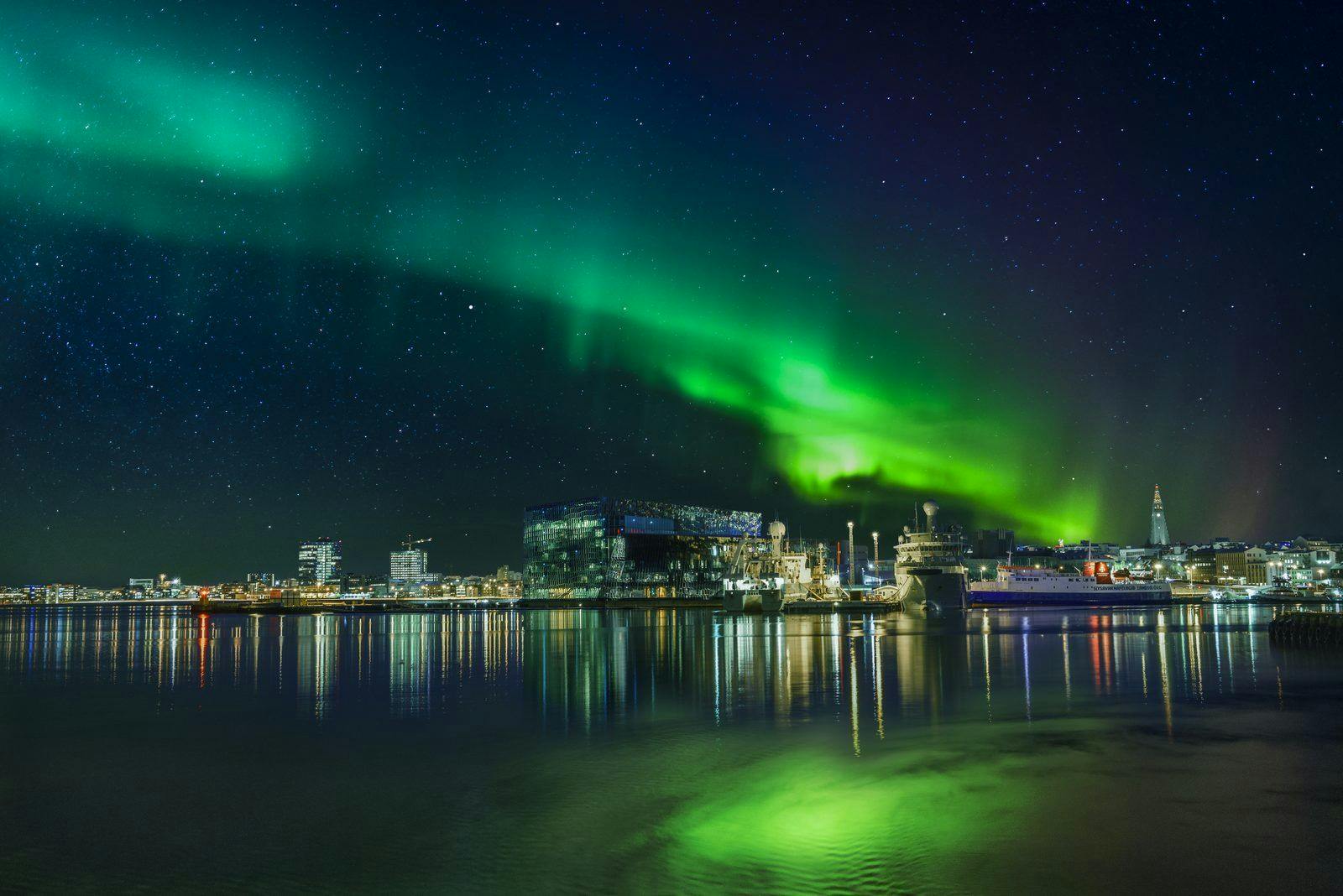
A calm evening sail away from city lights with wide open skies and beautiful views of Reykjavik at night. Fresh sea air, a peaceful atmosphere and a unique way to experience the aurora when conditions are right.
If you want an unforgettable, relaxing and scenic northern lights experience from the water, book the Northern Lights Boat Cruise here.
Now let’s get into all the local viewing spots in detail.
Best Northern Lights Spots in Reykjavik

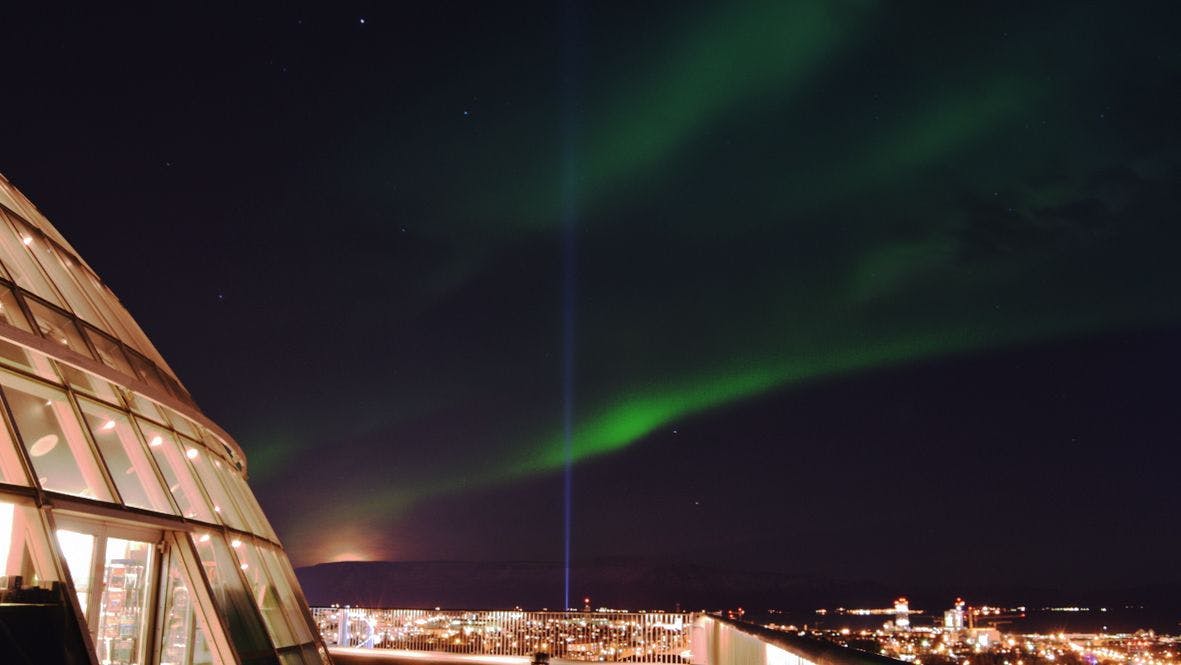
As mentioned earlier, the northern lights can appear anywhere in the city. You might even spot them while walking back to your hotel after dinner, so always keep an eye on the sky. That said, some places offer much darker surroundings and a far better viewing experience. Below are the favourite spots for locals when conditions are right.
1. Grótta Lighthouse, Seltjarnarnes
A beautiful beach area on the tip of Seltjarnarnes and one of the darkest places near Reykjavik. The open ocean horizon and the Grótta lighthouse make it an ideal northern lights backdrop. It is also a lovely daytime walking area with views of Mt. Esja and the surrounding mountains.
While you can technically walk there from down town Reykjavik, it is not recommended. It’s a little far and it get’s so cold in the evening/night time.
Car recommended.
2. Öskjuhlíð
A natural forest hill in the middle of the city with quiet pockets of darkness and views over Reykjavik. It is about a 20 to 30 minute walk from most downtown hotels. The area feels like a peaceful forest park within the city. Locals love Öskjuhlíð and it’s a fantastic spot for aurora hunting.
Possible to walk from Reykjavik. Dress very warmly, as there are no indoor shelters nearby.
3. Heiðmörk Nature Reserve
A local favourite for quiet nature outings during weekends. Also fantastic for aurora hunting as there are no lights or buildings. About a 20 minute drive from the city centre. The reserve is large, with plenty of places to park and walk into peaceful nature.
Car required. Dress warmly.
4. Mosfellsheiði
A popular northern lights spot just outside Reykjavik, near the neighbouring town of Mosfellsbær. Conditions improve quickly as you drive up onto the heath and leave the city lights behind. Approximately 20 minutes drive from central Reykjavik.
Car required.
Best Northern Lights Spots Outside Reykjavik
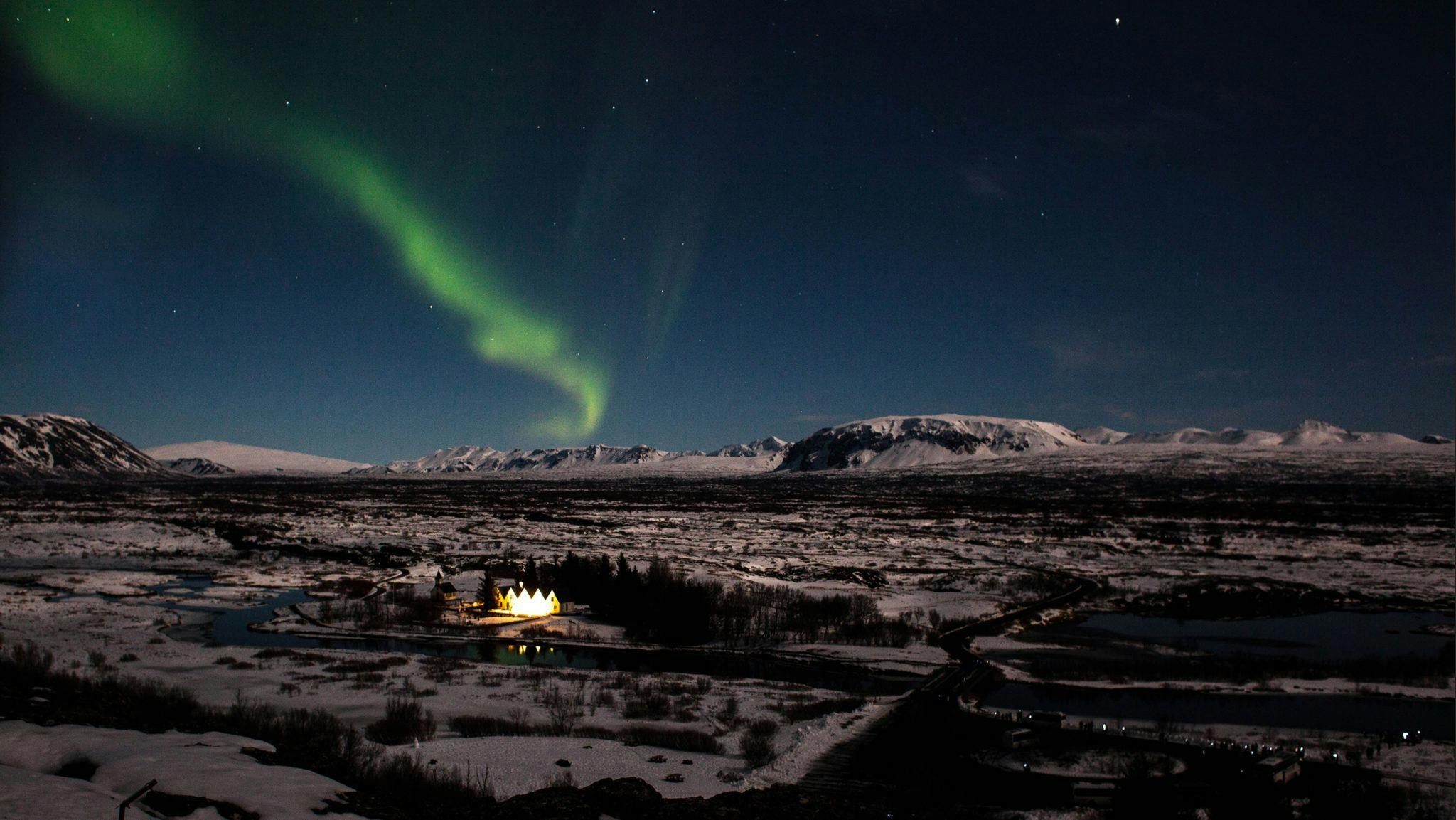
If you have a rental car and are already exploring the countryside, that is the perfect opportunity to also hunt for the northern lights. Iceland’s rural areas offer darker skies, beautiful scenery and almost no light pollution.
Below are a few great viewing locations that many travellers use as their northern lights “base camps”.
Keep in mind that you can technically spot the aurora anywhere in Iceland as long as the solar activity is positive and the sky is dark. Always keep an eye on the sky if you are driving at night. From personal experience, I have often pulled over on a quiet side road in the middle of nowhere when the aurora suddenly appears out of the darkness. It can happen anytime.
Here are some popular northern lights spots in the Icelandic countryside:
Thingvellir National Park
A UNESCO World Heritage Site with minimal light pollution and wide open skies. Only a 45 minute drive from Reykjavik. A reliable favourite.
The South Coast: Vík, Reynisfjara and Dyrhólaey
Black sand beaches, dramatic cliffs and incredible scenery that makes the aurora feel even more magical. Beautiful surroundings, but do not go too close to the ocean at Reynisfjara. The waves there are unpredictable and very dangerous.
Snæfellsnes Peninsula
Home to Kirkjufell mountain, one of the most photographed northern lights locations in the world, along with dozens of peaceful viewing spots across the peninsula.
North Iceland
Fewer people, darker nights and some of the brightest auroras in Iceland.
Popular viewing areas include:
- Siglufjörður
- Hvítserkur
- Akureyri outskirts
- The Arctic Henge
Anywhere with a clear sky and low light pollution will work beautifully.
How to Read the Northern Lights Forecast

Locals always use the aurora forecast from the Icelandic Meteorological Office. Link here. It is the most accurate tool available. See example forecast in the picture above. This screenshot shows prime Northern Lights conditions.
Here is what you will see:
- Cloud cover map White areas mean clear skies. Green areas mean clouds. To see the northern lights, you want white (clear skies) over your location.
- Aurora activity scale Rated from 0 to 9. Even a 2 can be visible if the skies are clear. A 4 or 5 is excellent. It is rare for the scale to go much higher.
- Hourly updates Essential for planning your evening and spotting new clear sky windows.
Important:
The green areas on the map represent clouds, not aurora. This confuses many travelers, so always look for white when planning your northern lights hunt.
Essential Tips for Seeing the Northern Lights
- Wear very warm layers You may be standing outside for quite a while.
- Be patient Auroras can appear suddenly after long quiet periods.
- Bring snacks or grab something from a local bakery A little treat makes the wait more enjoyable.
- Use a tripod for photos Long exposure is essential for capturing great aurora shots.
- Manage expectations Your eyes often see a softer version of the aurora than what you see on social media. Some nights are breathtaking, others are gentle and subtle.
- Check the moon phase A full moon will brighten the sky but will not block the northern lights.
- Do not stress about solar cycles The aurora is always returning. Activity levels simply rise and fall over time.
What To Do If You Do Not See the Northern Lights
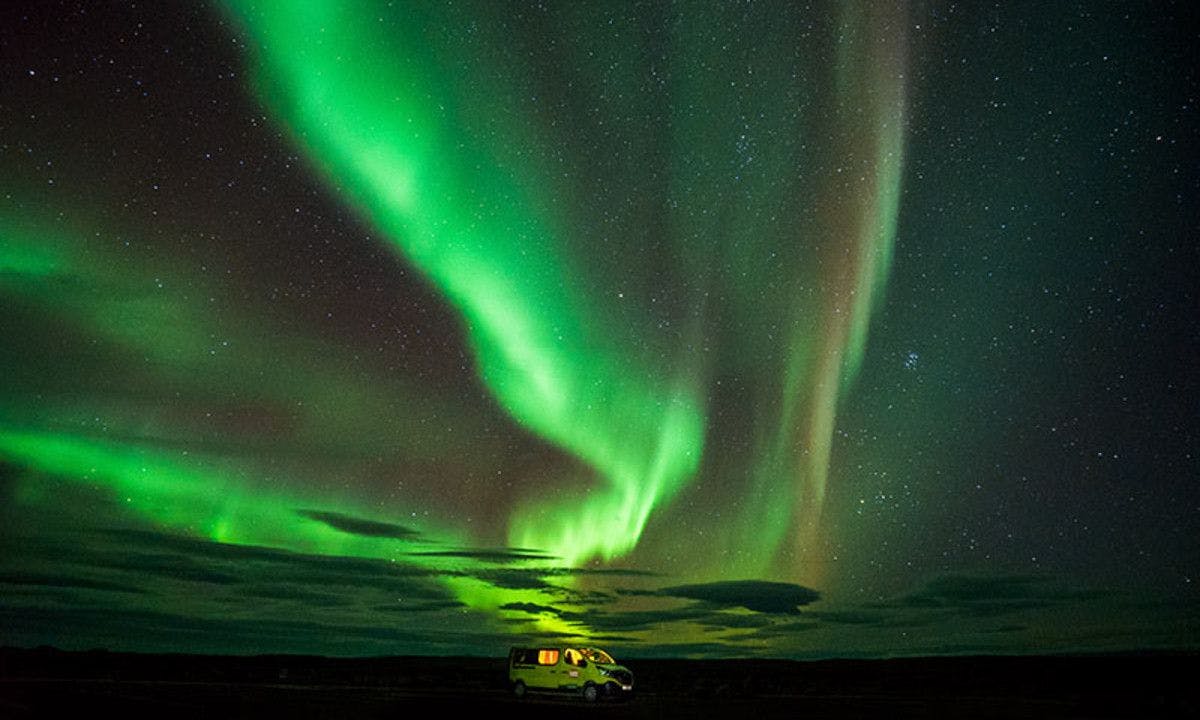
Missing the northern lights happens more often than travelers expect.
The aurora is a natural phenomenon that cannot be planned for or guaranteed. It depends on solar activity, cloud cover and darkness. Nobody can control that. No guide can promise it. And that is exactly why finally seeing the lights feels so special.
Here is what to do if the lights do not show.
1. Use your tour’s free re-run
Quality tours, including ours, offer a free second trip (as many times as needed). This is the easiest way to double your chances without any extra cost.
2. Try again on the next clear night
Icelandic weather changes fast. A cloudy evening today can turn into perfect skies tomorrow.
3. Check the Met Office cloud map
Look for white areas on vedur.is (clear sky). A short drive toward a clear patch can make all the difference.
4. Make the night cozy anyway
If the lights are not showing on your planned night, stay positive and make the most of it. Warm pools, good food, hot chocolate and a walk by the harbor. Reykjavik shines on winter nights even without the aurora.
5. Keep perspective
The northern lights are rare, unpredictable and completely natural. You did not do anything wrong. The uncertainty is part of the magic.
6. For the highest chance, join a guided tour
Local professionals chase clear skies, avoid crowds, find dark viewing spots and help with photography.
If you want the easiest and most reliable experience, you can book our small group northern lights tour here.
Final Words
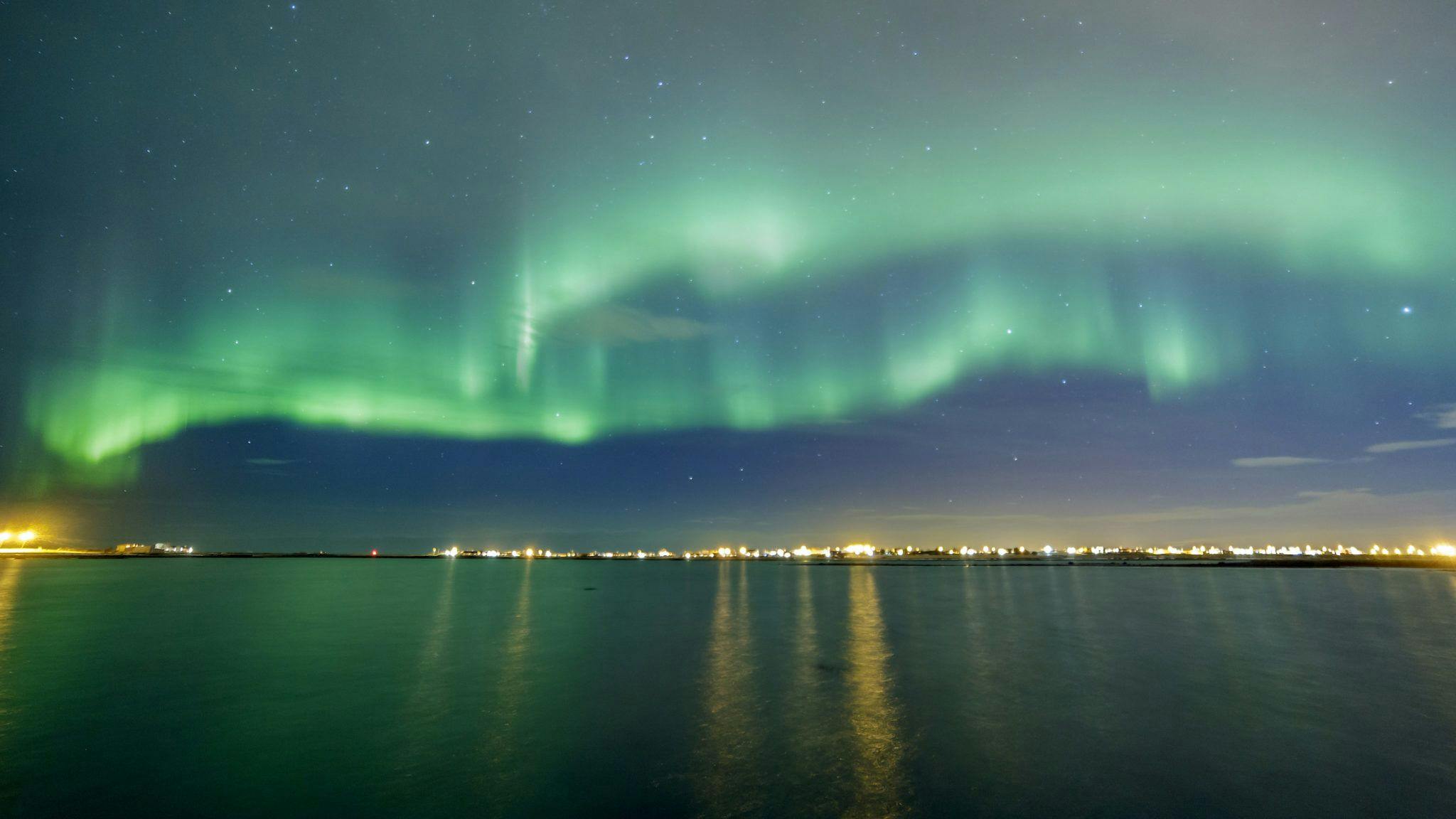
Experiencing the northern lights in Iceland is unforgettable. It feels ancient, quiet and almost unreal. No photo or video truly captures what it feels like standing under the sky as the lights begin to move.
Give yourself a couple of nights, keep an eye on the forecast and build in a little patience. If you want the highest possible chance of seeing the aurora during your trip, our small-group northern lights tour is the safest and simplest way to go.
If the lights don’t appear - truly, it happens all the time - I hope you still enjoy the adventure. Icelandic winter nights can be magical even without the aurora. And there is always next time!
While you are in Reykjavik, make sure to join our Reykjavik Food Walk. It is the number one rated foodie experience in Iceland on TripAdvisor and the perfect warm-up before a night of northern lights hunting.
If you need help planning your winter trip, feel free to reach out. We are always happy to help you make the most of your Iceland holiday. Hope to see you soon!
Written by Egill Fannar - Co-Founder of Wake Up Reykjavik
Proudly born in Akureyri but now a local in downtown Reykjavik, Egill has spent over a decade helping travelers experience Iceland like locals - from cozy cafés & restaurants to hot pools and hidden adventures across the highlands.
Frequently Asked Questions
- Can you see the northern lights in Reykjavik itself?Yes, absolutely. The aurora can appear anywhere over Reykjavik when the skies are clear, activity is present and light pollution is low. For darker surroundings and better visibility, locals often head to Grótta, Öskjuhlíð, Heiðmörk or Mosfellsheiði.
- What is the best month to see the northern lights in Iceland?The most reliable months are October, November, December, January, February and March thanks to long dark nights and frequent aurora activity. You can still see the lights in late August, September and April, especially during strong solar activity and clear skies.
- What time of night are the northern lights strongest?The peak viewing window is 21.00 to 01.00. Auroras can appear earlier or later, but around midnight usually brings the best chance of strong activity.
- Do I need to leave Reykjavik to see the northern lights?Not necessarily. You can see them from the city, but leaving the light pollution gives you much clearer skies. If seeing the aurora is a top priority, joining a small group tour that chases the best conditions each night is the most reliable approach.
- How accurate is the Icelandic aurora forecast?The Icelandic Met Office forecast (vedur.is) is the most reliable tool available. Focus on the cloud map - white means clear sky, green means clouds. The strength scale helps, but even a 2 or 3 can be good. Anything 3+ is considered active and potentially very promising.
- What are the chances of seeing the northern lights in Iceland?There is no guaranteed number but in our experience, visitors staying 3 nights or more during October to March generally have a good chance if they follow the forecast. To maximise your odds, join a guided small group tour with unlimited free re-runs.
- Can you see the northern lights when the moon is full?Yes. A full moon brightens the sky but does not block aurora activity. Strong auroras will still be clearly visible.
- Do the northern lights really look like the photos?Sometimes yes, sometimes no. Your eyes usually see a softer, more natural glow. Cameras use long exposure, which makes the colors appear stronger. With weaker lights, photos can look more dramatic than real life - but when the aurora is strong, nothing beats seeing it with your own eyes.
- Is it safe to drive around at night to hunt the lights?Driving is safe when the roads are clear, but winter conditions can be unpredictable. If you do not have experience driving in snow, darkness or on icy roads, it is safer (and much easier) to join a guided tour.
- What should I wear for northern lights viewing?Dress in warm layers: thermal base layers, thick socks, a hat, gloves, a windproof coat and sturdy shoes. You may be standing outside for a long time, so warmth is key.