
A local guide to visiting Iceland in February 2027
Why visit Iceland in February? Because February is Iceland in full winter mode: dramatic snow-covered landscapes, glowing blue twilight, long cozy nights and some of the best Northern Lights conditions of the entire year.
It’s still a quiet travel month, far less crowded than summer and the shoulder seasons, with good availability on tours and accommodation and a calm, local winter atmosphere in Reykjavik.
Temperatures in Reykjavik usually hover close to freezing, and on clear winter days the air feels crisp, clean and surprisingly pleasant. Add frozen waterfalls, snowy lava fields, steaming hot pools and the slow but noticeable return of daylight, and you get a winter experience that feels simply unforgettable.
In this guide, I’ll walk you through everything you need to know before your trip: February weather, daylight hours, what to pack, driving conditions and the best things to do - from Northern Lights chasing and glacier adventures to the best of Reykjavik’s food scene. I’ll also share the tours that offer the best value for your time, along with local tips to help you plan the perfect winter getaway.
Let’s dive in.

Weather in Iceland in February
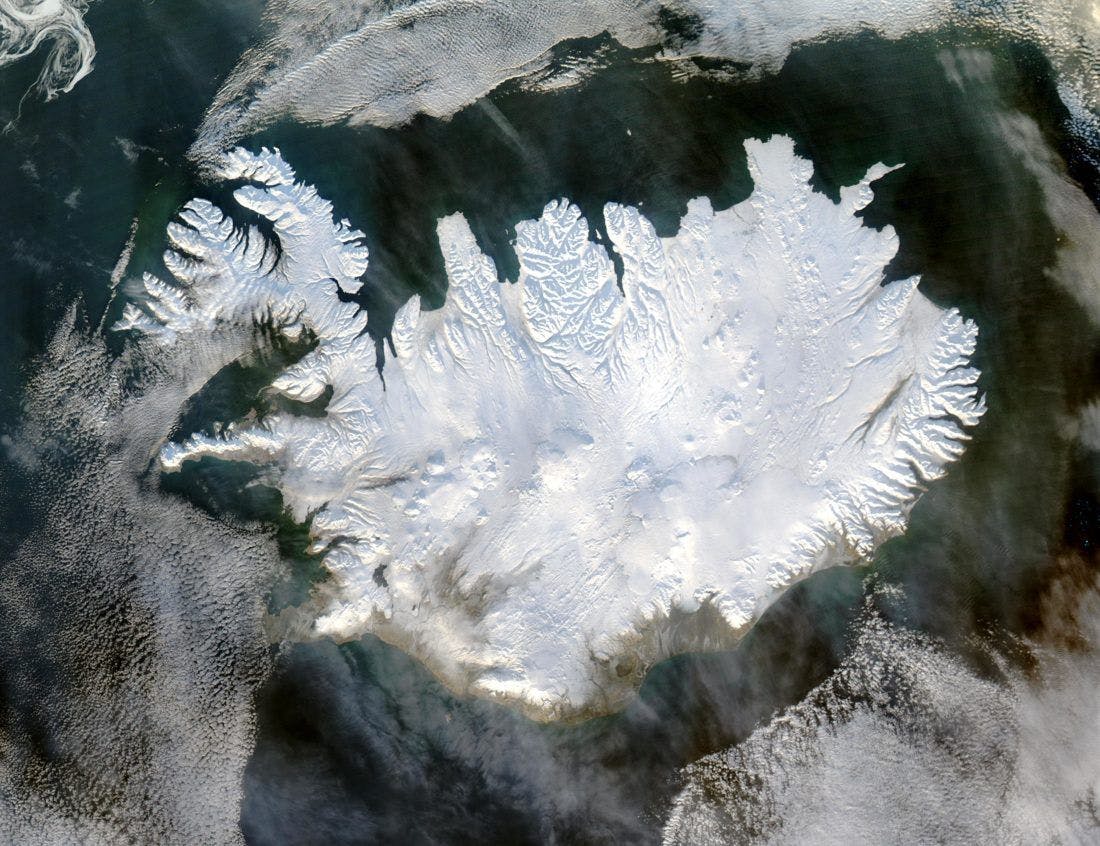
February is full winter in Iceland, but temperatures are often milder than many travelers expect.
The average temperature in Reykjavik in February sits around 0.5°C (32-34°F). Daytime highs usually reach 2 to 3°C (36-37°F), while nighttime lows tend to fall between -1 and -2°C (28-30°F). North Iceland is generally colder, especially inland and at higher elevations.
Most days fall somewhere between -8 and +5°C (18-41°F). What you’ll notice most is not the temperature itself, but the wind. February is often breezy to windy, with ocean-influenced winds commonly exceeding 9 m/s (20 mph), which can make cold days feel significantly colder.
Snow is common throughout February, and Reykjavik typically sees around 12 days of snow cover. Roads and sidewalks can be icy, but winter maintenance in the capital is generally excellent and daily life continues as normal.
Weather insights from February 2026
February 2026 was highly unusual and significantly warmer and wetter than average.
The average temperature in Reykjavik reached 3.1°C (37.6°F), making it one of the warmest Februarys on record. The highest temperature measured was 17.6°C (63.7°F) at Sauðanesviti in north Iceland, while the coldest was -14.1°C (6.6°F) in Möðrudalur in the highlands.
Precipitation was well above average. Reykjavik recorded 141.7 mm of rain and snow, nearly double the typical February total. Despite this, the city experienced only three days of full snow cover. Wind conditions varied throughout the month, underlining the importance of checking weather forecasts before heading out.
Northern Lights & Solar Maximum
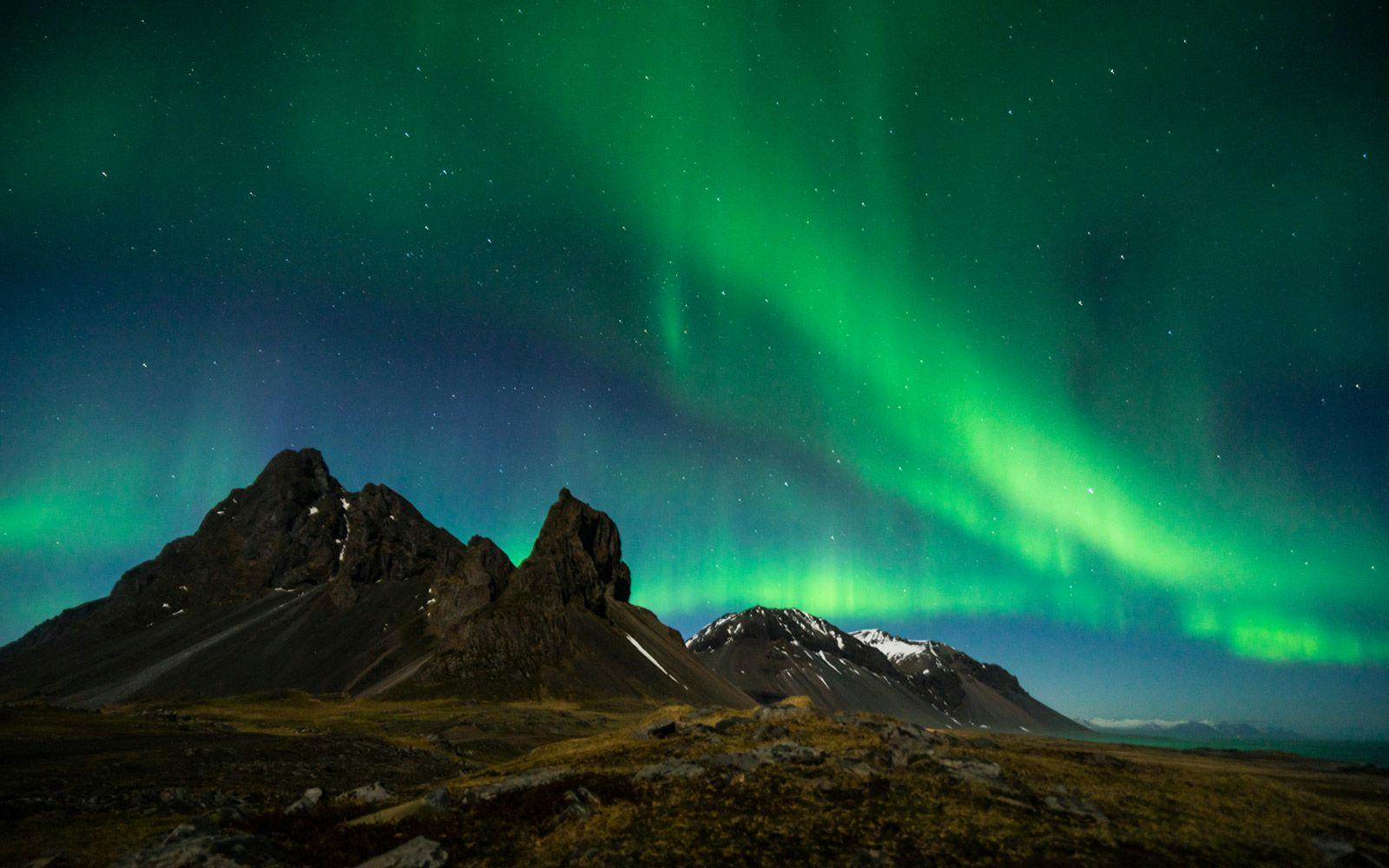
2026 marked the final year of the current solar maximum cycle, when Northern Lights activity is significantly stronger than average. Combined with February’s long nights, cold air and often clear winter skies, conditions for seeing the aurora are excellent.
During a solar maximum, the lights tend to appear brighter, more active and more frequent, sometimes stretching across the entire sky in waves of green, purple and white.
If seeing the Northern Lights is high on your bucket list, February 2027 is one of the very best times to visit Iceland.
See our full Northern Lights in Iceland Guide here.
What to Pack for Iceland in February
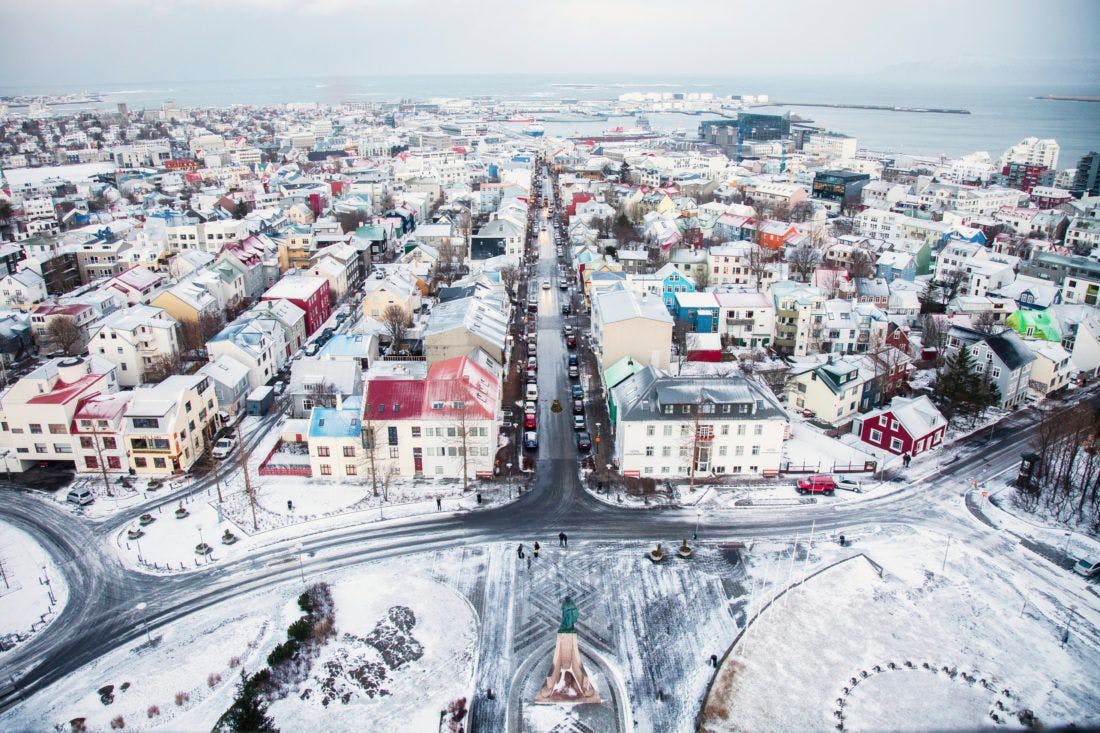
February requires proper winter clothing. Focus on warm, waterproof layers and good footwear.
Use the classic layering technique: thermal base layer → warm mid-layer → windproof and waterproof outer shell.
Here’s a simple February packing list:
- Insulated winter jacket or parka
- Waterproof jacket and pants
- Thermal base layers (wool or merino works best)
- Warm mid-layer (fleece or wool sweater)
- Winter boots with solid grip
- Ice cleats / microspikes (very helpful in the city)
- Hat, gloves and scarf
- Swimwear for hot pools and lagoons
Local tip: Bring a small backpack so you can adjust layers during the day as weather changes.
Best Things to Do in Iceland in February
The perfect February trip to Iceland blends winter adventure, Reykjavik culture and plenty of hot spring time. Use the daylight to explore snowy landscapes, frozen waterfalls and steaming geothermal areas, then settle into cozy evenings in Reykjavik’s cafés, restaurants and local swimming pools.
And don’t skip Reykjavik. We strongly recommend spending at least one full day enjoying the city’s food scene, museums and colorful streets.
1. Chase the Northern Lights

February is one of the best months of the year to see the Northern Lights. Nights are long and dark, solar activity is especially strong in 2026 and the cold winter air often brings clearer skies.
You might spot auroras dancing above Reykjavik on a good night, but your chances increase dramatically once you leave the city and escape light pollution.
That’s why we recommend joining a Northern Lights tour. Local guides track real-time aurora forecasts, cloud cover and road conditions, adjusting routes on the fly to maximize your odds.
Some nights are quiet. Others explode across the sky. That unpredictability is part of the magic.
Psst: Check out our full Northern Lights guide.
2. Soak in Iceland’s Geothermal Hot Springs
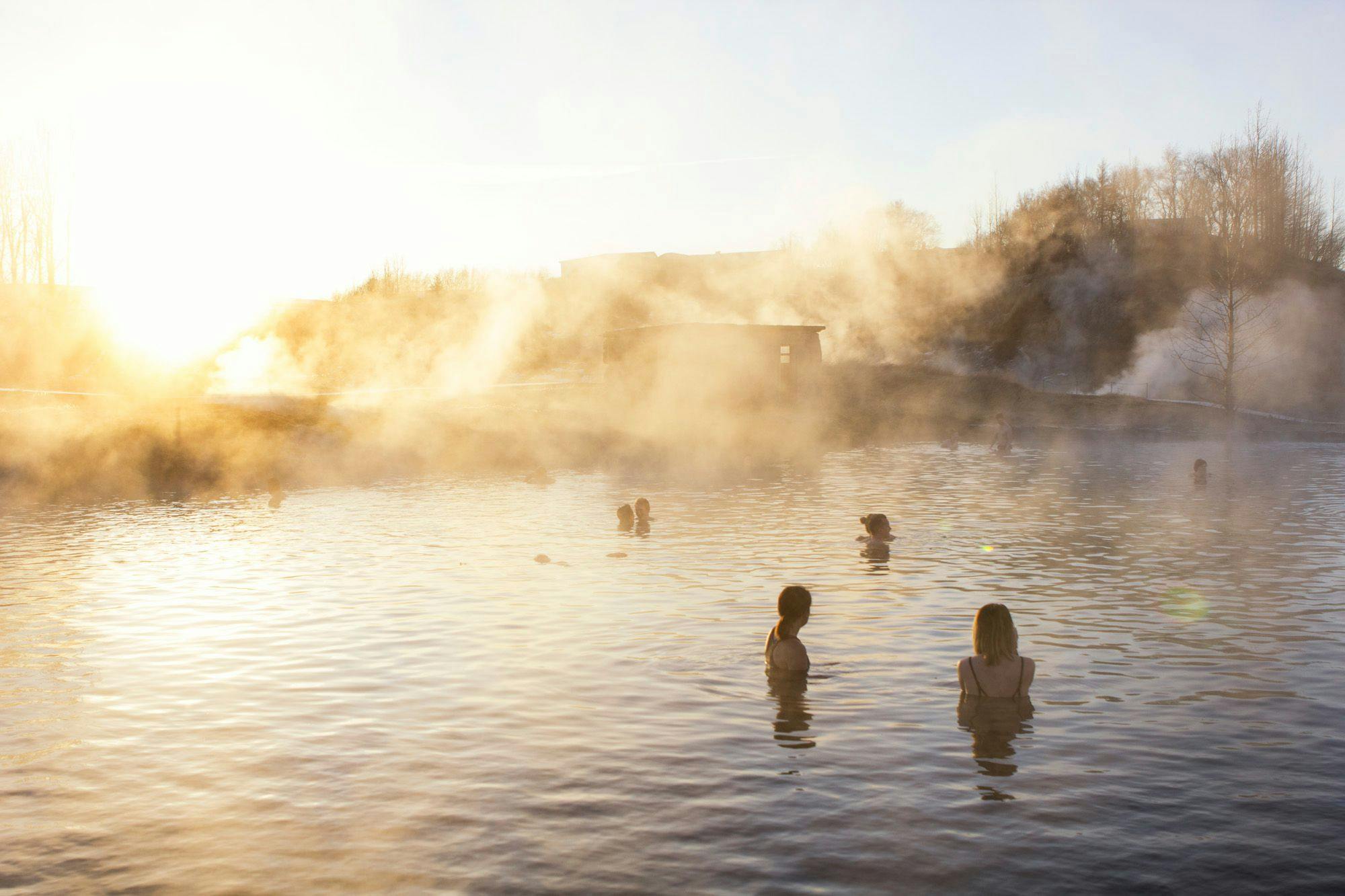
Swimming pools are part of everyday life in Iceland, year-round. But winter is when they truly shine. There is just something special about soaking in warm geothermal water while the air is freezing and snow is falling around you.
You can choose between lagoon-style spas for a more polished, spa-like experience, or public swimming pools for a truly local bath. Excellent options in February include:
- Sky Lagoon - dramatic ocean views and the signature seven-step ritual
- Blue Lagoon - iconic milky-blue water set in lava fields
- Secret Lagoon - simple, rustic and deeply relaxing (image above)
- Sundhöllin - Reykjavik’s historic downtown pool and a local favorite
Want to explore more neighborhood pools? Here is the official list of all eight swimming pools in Reykjavik: https://reykjavik.is/en/swimming-pools
3. Enjoy Icelandic Flavors
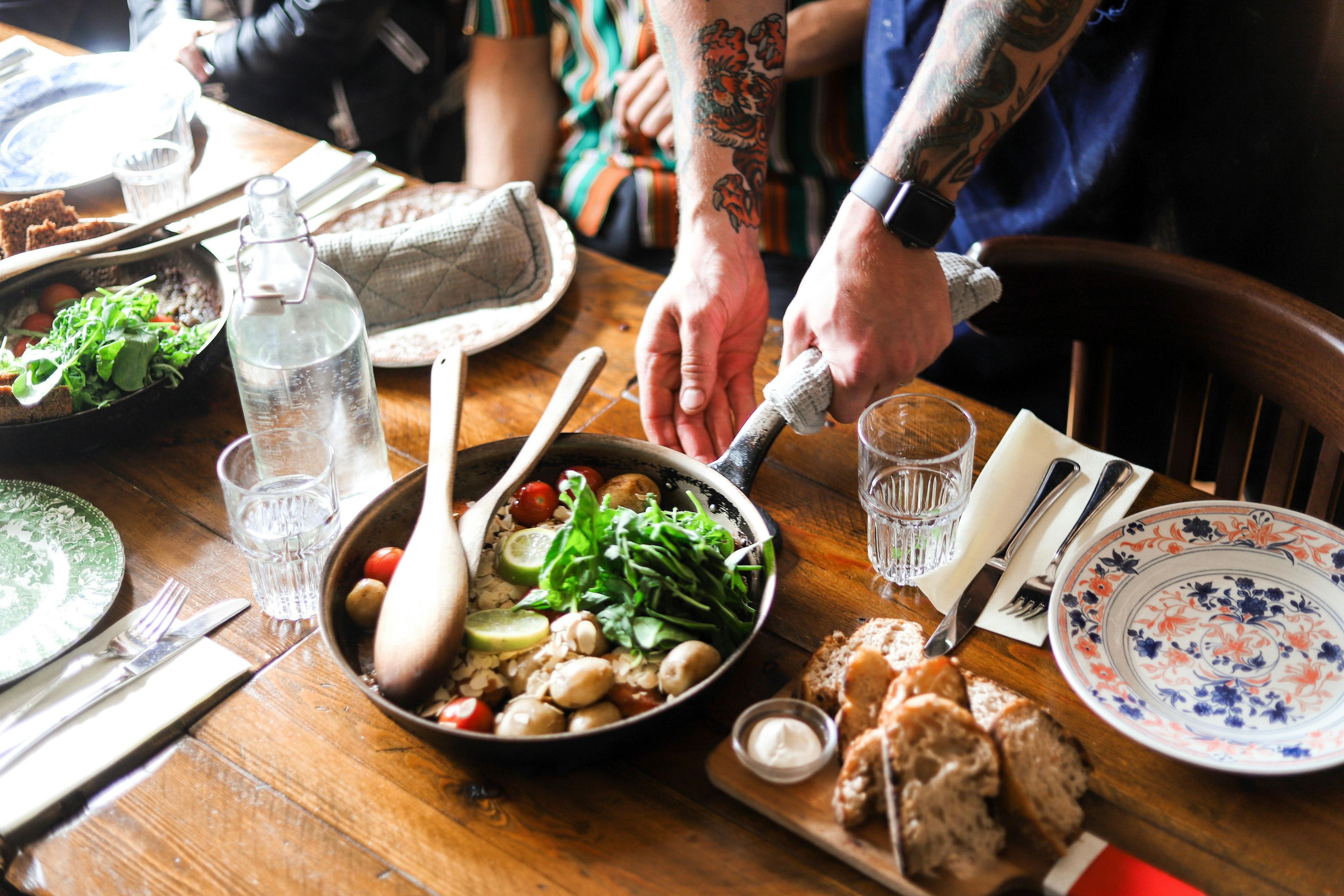
February is peak comfort-food season in Iceland. Think rich lamb soup, warm fish pans, warm pastries and cozy cafés that invite you to stay longer than planned.
Reykjavik’s food scene might be small, but it’s creative, welcoming and incredibly satisfying in winter.
The easiest and most enjoyable way to experience it is the Reykjavik Food Walk. This three-hour walking tour blends Icelandic food, history and storytelling while introducing you to the city through local eyes.
It works especially well in winter because:
- It balances indoor and outdoor time
- You stay warm, well-fed and social
- You get local tips that improve the rest of your trip
See: The Best Food Tour in Reykjavik
Also: What to Eat in Reykjavik? Top 10 Traditional Icelandic Foods
4. Explore Iceland’s Winter Landscapes - Waterfalls, Glaciers & Ice Caves
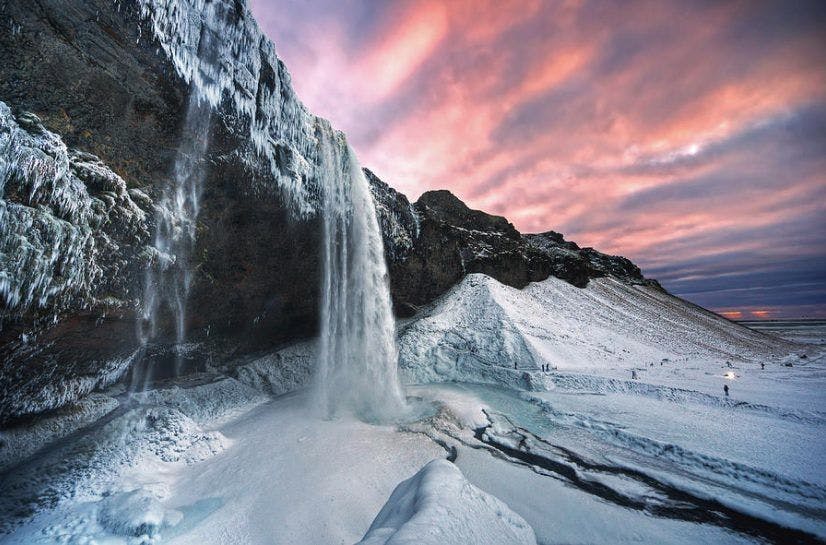
February turns Iceland into a striking winter world. Frozen waterfalls, snow-covered lava fields and glowing blue ice caves create scenery you simply cannot see elsewhere.
This is peak season for winter sightseeing and guided adventures.
Some of the best February attractions from Reykjavik include:
- Golden Circle - Þingvellir National Park, Geysir hot spring and Gullfoss waterfall
- South Coast - Seljalandsfoss and Skógafoss waterfalls, Reynisfjara black-sand beach & more
- Jökulsárlón Glacier Lagoon - floating icebergs and the Diamond Beach
- Ice Caves - February is prime season for crazy natural ice caves
- Glacier Hikes - a surreal walk on ancient ice
- Snæfellsnes Peninsula - cliffs, lava fields and a glacier-capped volcano
Discover tours that explore exactly these attractions below (or see our All Tours page here).
5. Dive Into Reykjavik’s Culture & Quirky Museums

February is a fantastic month to slow down and enjoy Reykjavik properly.
A perfect city day could look like this: start with breakfast at a local café, visit one or two museums, join the Reykjavik Food Walk for lunch and an early dinner, then finish with a relaxing soak at Sundhöllin. It’s an easy, well-paced way to experience the best of the city and surprisingly affordable for a full day out.
Some of our favorite cultural stops include:
- Reykjavik Art Museum - Iceland’s largest art museum
- National Gallery of Iceland - classic and modern Icelandic art
- National Museum of Iceland - Iceland’s main museum of history and heritage
- Settlement Exhibition (871±2) - built around a real Viking longhouse
- Phallological Museum - yes, a penis museum. Odd, funny and very Icelandic
- Kolaportið Flea Market - food stalls and quirky finds (open weekends)
6. Go Skiing just 45 minutes from Reykjavik

Yes, you can go skiing or snowboarding in Iceland and you do not need to travel far. Bláfjöll (the Blue Mountains), sit just 45 minutes from downtown Reykjavik and offer a surprisingly solid winter sports experience.
The mountains are not massive, but the ski area is well run, with good slopes, reliable lifts and beautiful winter scenery. It is truly a favorite local spot whenever conditions line up.
Locals usually bring their own gear, but visitors are well covered too. You can rent everything on site, including skis or snowboards, boots, helmets, goggles and even outerwear, making it an easy half-day or full-day adventure from the city.
For current conditions, opening hours and rental info, visit skidasvaedi.is.
Best Tours to Take in Iceland in February
Choosing the right tours in winter can feel overwhelming. Daylight is limited, weather plays a major role, and tour quality has a real impact on your experience.
At Wake Up Reykjavik, we only work with operators we trust and would recommend to our own friends and family. We deliberately curate a small selection of the very best tours in Iceland - the top one percent that consistently deliver real value and offer the strongest experience in each category.
If you want to make the most of your winter trip, start here.
1. Reykjavik Food Walk

Our pride and joy, and the highest-rated tour experience in Iceland for a reason.
For over a decade, more than 150,000 guests have joined us to explore Reykjavik through its food, stories and hidden local spots. On this relaxed three-hour walking tour, you will:
- Explore Reykjavik with a fun, knowledgeable local guide
- Taste the very best of Icelandic cuisine, from seafood and lamb to pastries and ice cream
- Meet fellow travelers from around the world
- Get insider tips that make the rest of your stay even better
It’s the perfect first-day activity in February and, unlike weather-dependent tours, it is never cancelled due to weather.
👉 Read more about the Reykjavik Food Walk here.
2. Northern Lights Tour
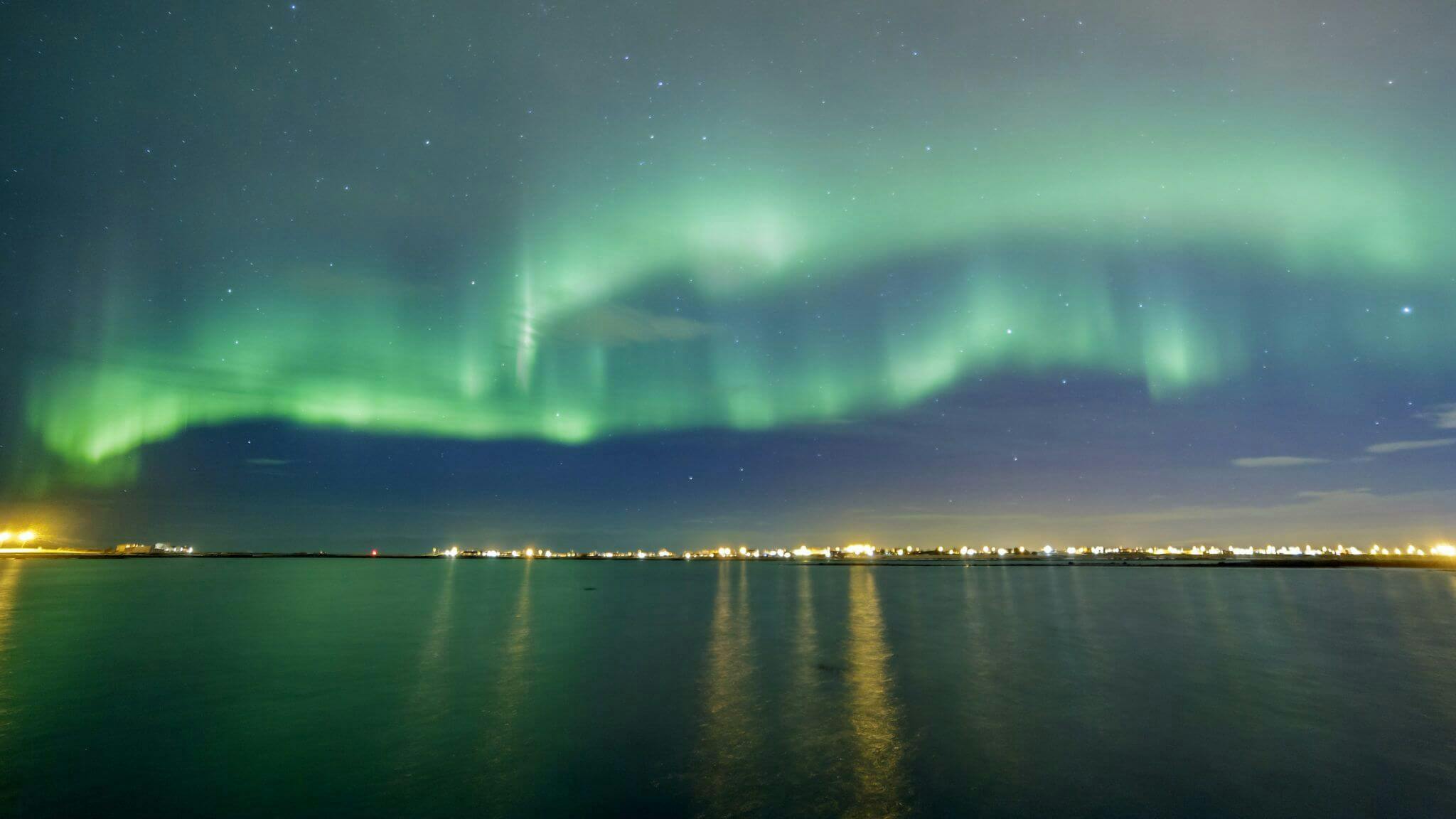
For many travelers, seeing the Northern Lights sits right at the top of the Iceland bucket list. And with February’s long nights and excellent aurora conditions, you might be in for a treat.
This Northern Lights tour consistently delivers some of the highest success rates we’ve seen. Experienced local guides monitor cloud cover, solar activity and road conditions in real time, adjusting plans on the fly to find the clearest skies.
Prefer something slower and more peaceful? The Northern Lights Evening Cruise from Reykjavik harbor offers a unique alternative, watching the aurora dance above the North Atlantic away from city lights.
👉 Read our full Northern Lights in Iceland Guide here.
3. 2-Day South Coast & Ice Cave Adventure

An epic two-day winter adventure that takes you deep into Iceland’s most iconic landscapes along the south coast, including a visit to the breathtaking Jökulsárlón Glacier Lagoon, powerful waterfalls and a rare natural ice cave.
This is Iceland’s winter highlight reel brought to life.
Day 1:
Seljalandsfoss and Skógafoss waterfalls, the Reynisfjara black-sand beach, dramatic coastal scenery and endless glacier views.
Day 2:
A guided glacier hike followed by a visit inside a shimmering natural ice cave - one of the most unforgettable experiences Iceland has to offer.
The tour includes one cozy countryside hotel night with breakfast, making it a relaxed and well-paced way to experience the south coast in winter.
👉 Read more about the 2-Day South Coast & Ice Cave Adventure
4. Golden Circle + Lagoon Combo
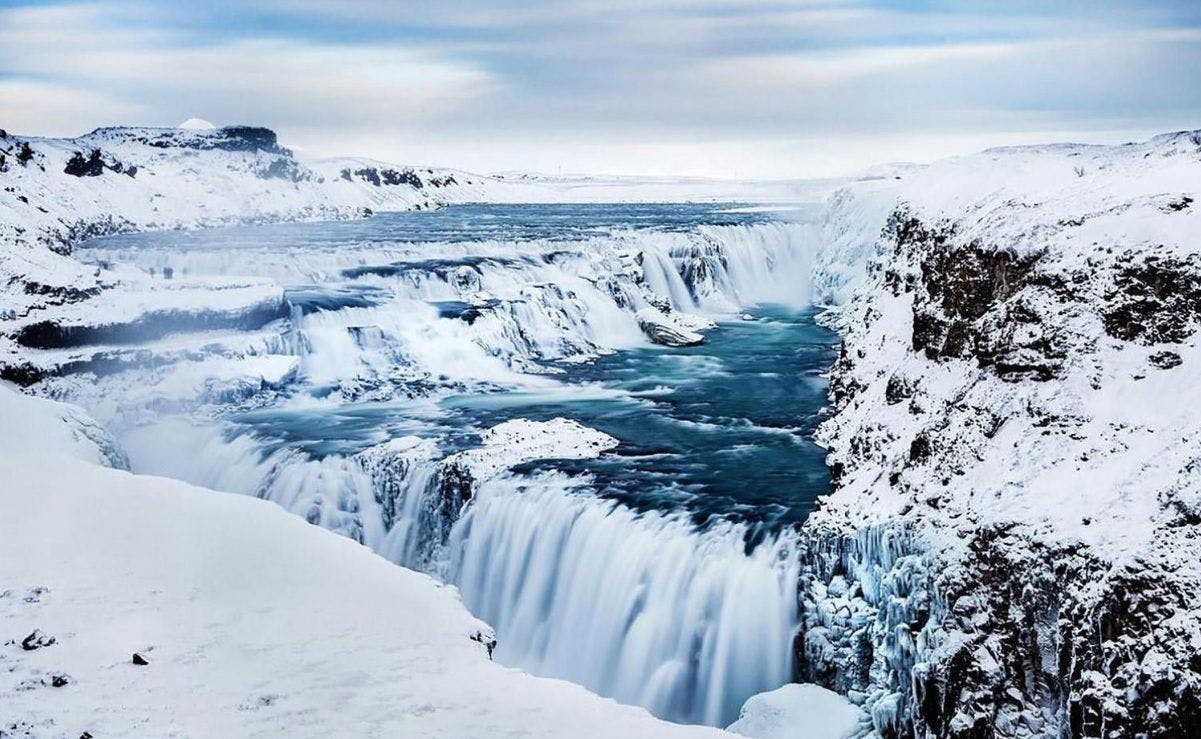
The Golden Circle is Iceland’s most iconic sightseeing route and especially beautiful in winter. If you are choosing just one tour to experience Icelandic nature, this is a great option.
Highlights include visits to:
- Þingvellir National Park - dramatic landscapes and Viking history
- Geysir - a powerful hot spring that erupts regularly
- Gullfoss - one of Iceland’s most impressive waterfalls
After a cold day outdoors, warming up in a geothermal lagoon feels incredible. Pair the tour with either Sky Lagoon or Blue Lagoon for the ultimate hot-and-cold Icelandic experience.
5. Snowmobiling & Secret Lagoon
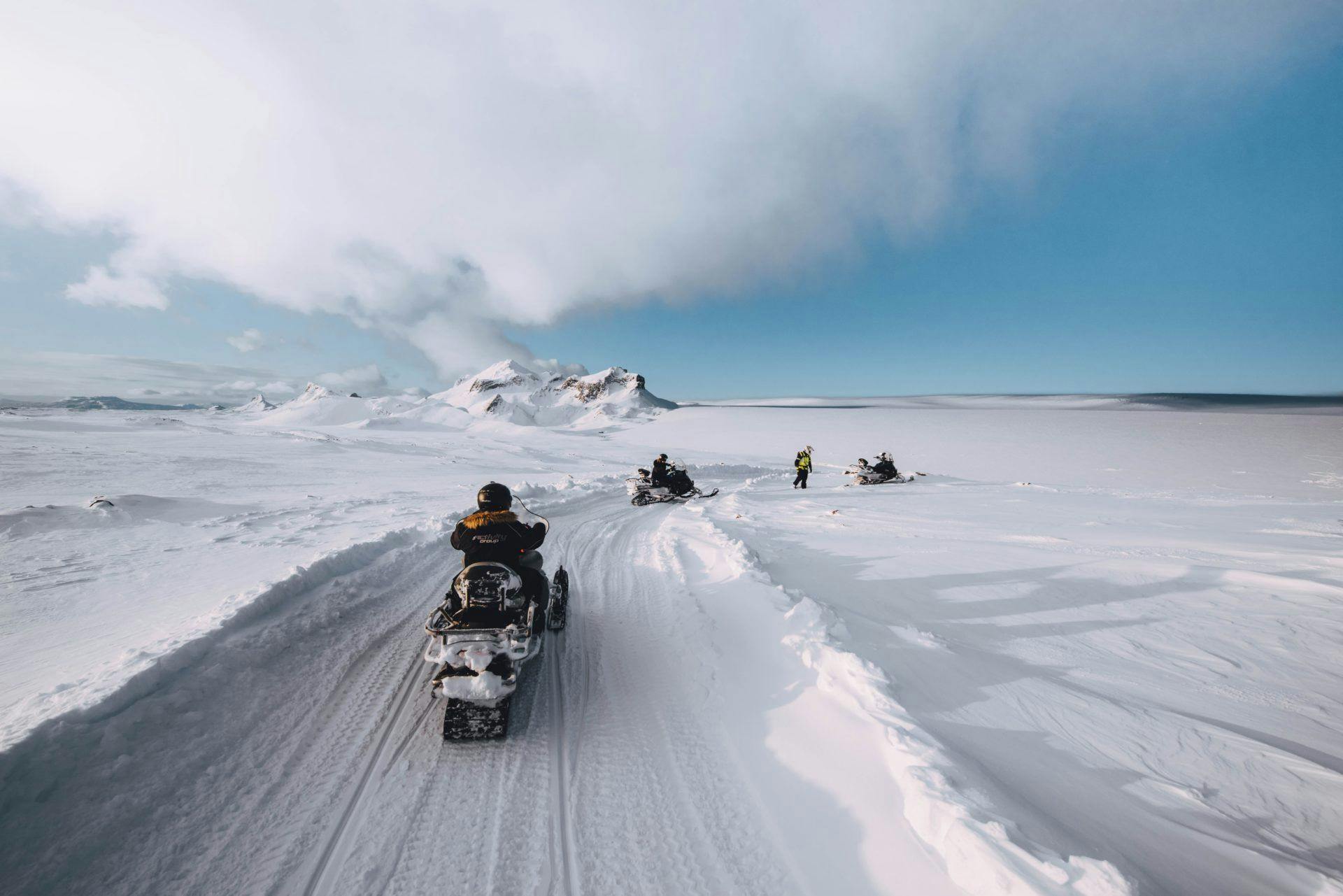
If you want both adrenaline filled adventure and pure relaxation in one day, this tour hits the sweet spot.
The adventure begins with a snowmobile ride across the wide-open snowy plains of Langjökull, Iceland’s second-largest glacier. After the rush, slow things down with a long soak in the peaceful Secret Lagoon, one of the country’s oldest natural hot springs.
A day in Iceland doesn’t get much better than this.
👉 Read more about the Snowmobile & Secret Lagoon tour here
💡 Pro tip: All Wake Up Reykjavik tours are experience first, small-group and flexible, making rescheduling easy if weather changes. And once again - the Reykjavik Food Walk runs year-round and is never cancelled due to weather.
Events & Festivals in Iceland in February
Þorrablót: Iceland’s Mid-Winter Feast
Þorrablót is Iceland’s mid-winter festival with roots stretching back to the Viking Age, celebrated during the old Norse month of Þorri, which typically runs from late January through mid-February (in 2027 this runs roughly from January 22 to February 21).
Þorri marks the toughest part of winter and honors the resourcefulness of our ancestors - people who survived the dark, frozen months through creativity, grit and careful food preservation, living on whatever they had managed to store when nothing could be harvested. Þorrablót is a reminder of that resilience.
What happens at a Þorrablót?
Today, Þorrablót takes the form of a lively mid-winter feast, usually hosted by families, workplaces and local communities. Expect traditional Icelandic dishes, plenty of storytelling, humor and toasts - all as a light-hearted tribute to how Icelanders once endured the darkest part of the year.
Typical Þorri foods include:
Smoked lamb, rye bread, dried fish and cured meats, and for the brave, fermented shark, sour ram’s testicles and sheep’s head - traditionally washed down with a shot of Brennivín.
How travelers can experience it
Most Þorrablót gatherings are private, but visitors can still get a real taste of the tradition by:
- Trying Þorri-inspired tasting menus at Reykjavik restaurants (Íslenski Barinn remains a classic choice).
- Sampling seasonal Þorri foods in local grocery stores and specialty shops.
- Joining the Reykjavik Food Walk, where guides share stories about winter traditions, heritage cooking and how Icelanders historically survived the long, cold months.
Bolludagur, Sprengidagur & Öskudagur
Iceland’s Playful Pre-Lent Traditions

In mid-February, Iceland celebrates three light-hearted food and culture days that lead up to Lent. These traditions have roots in European Christian calendars, but Icelanders truly made them their own in the late 19th and early 20th centuries, especially as bakeries and urban life developed in Reykjavik.
Today, they are less about religion and more about food, fun and childhood memories.
- Bolludagur (Bun Day) - Monday, February 8th, 2026 Bakeries across Iceland fill with buns of all kinds, and families compete to eat as many as possible. You’ll see these buns everywhere in Reykjavik, and locals take this day very seriously.
- Sprengidagur (Bursting Day) - Tuesday, February 9th, 2026 A traditional feast of salted meat and peas, where the goal is to eat until you are completely full, or ready to “burst.” Heavy, hearty and perfectly suited to winter.
- Öskudagur (Ash Wednesday) - Wednesday, February 10th, 2026 Children dress up in costumes and go from shop to shop singing in exchange for candy. Think of it as Iceland’s cheerful, daytime version of Halloween. Definitely one of the most fun days of the year for Icelandic children.
For travelers, this trio offers a fun and unexpected glimpse into everyday Icelandic culture and is best experienced by visiting local bakeries, cafés and grocery stores during these three playful February days.
Driving in Iceland in February

Many travelers wonder whether it is safe to rent a car and drive in Iceland in February.
The short answer is yes - it’s possible, and locals do it every day.
That said, February is still full winter, so driving requires extra awareness. Roads can be snowy or icy, visibility can change quickly, and some mountain roads may close temporarily during storms or heavy snowfall.
If you are comfortable with winter driving, rent a 4x4 vehicle with proper winter tires and always check road.is for real-time road conditions and vedur.is for weather and wind alerts before heading out.
If you are not used to driving in snow and ice, or simply want a more relaxed experience, skipping the car and joining expert-led tours is often the better choice. You’ll stay safe, avoid unnecessary stress and benefit from local guides who are used to navigating Iceland’s changing winter conditions.
Fun Facts About Iceland in February
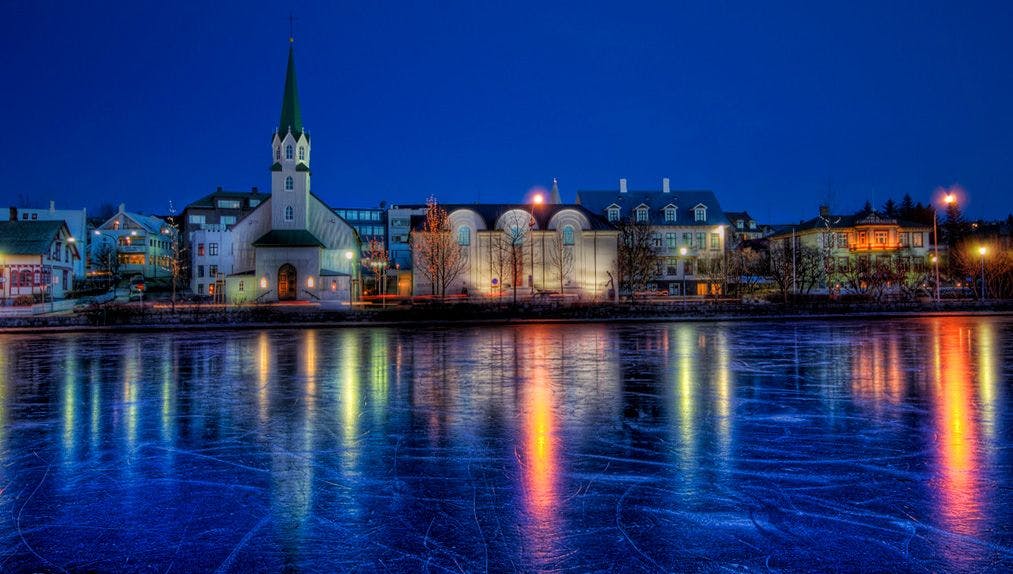
1. Experience the Frozen Reykjavik Pond
In summer, the Reykjavik Pond in the city center is a favorite for locals, where families gather to feed ducks and swans and enjoy slow walks by the water.
In winter, it transforms into something completely different. When the pond freezes over, it becomes one of the most atmospheric spots in the city. Locals lace up skates when conditions allow, while others simply enjoy quiet, romantic walks across the ice and along the snowy paths around it.
2. February is when Icelanders start noticing daylight again
After months of darkness, February is when Icelanders visibly start paying attention to daylight returning. You will hear locals comment on sunsets, brighter afternoons and how “it’s getting lighter already.” Winter is not over, but February is when people mentally shift from enduring winter to actually enjoying it.
3. Icelanders celebrate winter with cream buns and costumes
In mid-February, Icelanders dive into one of the most joyful, and slightly ridiculous, traditions of the year: Bolludagur, Sprengidagur and Öskudagur. Bakeries overflow with cream-filled buns, families eat heavy traditional meals “until they burst,” and children roam the streets in imaginative costumes singing for candy. It’s playful, chaotic and very Icelandic, proof that winter here is not just about surviving, but enjoying it.
Local Secrets (Because You Read This Far)

If you made it all the way down here, you deserve a few insider-tips. These are some of my personal Reykjavik favorites. They are places and little rituals you will not find in every guide, but ones that genuinely make a visit to Reykjavik better, especially in winter.
- Best thing to do with kids: Reykjavík City Library - Grófin, a big, welcoming library right downtown on Tryggvagata. Entry is completely free and the opening hours are long, making it the perfect place to change the pace, get in out of the cold, and slow down for an hour or two. Head up to the cozy kids' corner on the second floor, where you'll find piles of books in Icelandic, Polish, English and plenty of other languages. A simple, genuinely local way to keep little ones happy on a grey February day.
- Best croissant in Reykjavik: 280 Bakery opened in late 2025 on Klapparstígur in downtown Reykjavik and has already made a serious name for itself. The Wake Up Reykjavik team has done plenty of testing, and we can confidently say this is one of the strongest bakeries in town. Go for the classic croissant, the cinnamon bun or the tomato and feta breakfast bun.
- Pack swimsuits and visit Reykjavik’s swimming pools: Swimming pools are a huge part of everyday Icelandic life. Sundhöllin, the original downtown pool from 1937, has classic Reykjavik charm and some of the best hot tubs in the city. It works perfectly at any time of day and is one of the best things to do in Reykjavik with kids. Do yourself a favor: pack your swimsuit and I’ll see you there.
Final Thoughts on Visiting Iceland in February
February is one of those months that genuinely surprises people. It’s quieter, more relaxed, and gives you space to experience Iceland without rushing from highlight to highlight. You have enough daylight to explore, long nights for Northern Lights, and a city that feels genuinely local under a gentle dusting of snow.
My best advice is simple: don’t try to do everything. Pick a few great day trips, leave room for weather changes, and spend quality time in Reykjavik. Walk the city, eat well, soak in the pools and let the rhythm of winter set the pace.
If you want an easy and enjoyable way to start your trip, the Reykjavik Food Walk is a great first step. It’s a relaxed way to understand the city, the food and the culture, and you’ll leave with better ideas for the rest of your stay than any checklist could give you.
February might not be Iceland at its loudest, but it’s one of the most rewarding times to be here. We hope you enjoy it as much as we do.
Written by Egill Fannar - Co-Founder of Wake Up Reykjavik
Proudly born in Akureyri but now a local in downtown Reykjavik, Egill has spent over a decade helping travelers experience Iceland like locals - from cozy cafés & restaurants to hot pools and hidden adventures across the highlands.
Frequently Asked Questions
- Is February a good time to visit Iceland?Yes. February is one of the best winter months to visit Iceland if you want Northern Lights, true winter scenery, fewer crowds and a more relaxed pace. You still get enough daylight for sightseeing, while winter landscapes and geothermal pools are at their best.
- How cold is Iceland in February?Reykjavik averages around 0 to 1°C (32–34°F). Most days fall between –8 and +5°C (18–41°F). Wind often makes it feel colder than the temperature alone, so proper layers matter more than extreme cold tolerance.
- Can you see the Northern Lights in February?Yes. February is one of the strongest months for Northern Lights thanks to long dark nights, winter skies and the ongoing solar maximum. Clear skies matter more than cold temperatures.
- How many daylight hours are there in Iceland in February?Early February has just over 7 hours of daylight, while by the end of the month there are around 10 hours. Daylight increases quickly, making February much easier for sightseeing than January.
- Is it safe to drive in Iceland in February?It can be, but winter driving requires caution. Roads may be snowy or icy and weather can change quickly. Confident winter drivers should rent a 4x4 and check forecasts daily. Others are often better off joining guided tours.
- What should I pack for Iceland in February?Warm, waterproof layers are essential. Bring an insulated jacket, waterproof pants, thermal base layers, winter boots with good grip, gloves and a hat. Also remember to pack swimwear for visiting geothermal pools and lagoons.
- Are tours cancelled often in February due to weather?Most tours operate normally, but weather-dependent activities can occasionally be cancelled or rescheduled. Reputable operators offer refunds or alternative dates. The Reykjavik Food Walk runs year-round and is never cancelled due to weather.
- Can I visit ice caves in February?Yes, and it’s a great idea. February is peak season for natural ice caves, especially in the south and southeast of Iceland. Ice caves should only be visited with certified glacier guides for safety reasons.
- Is Reykjavik active in February or is everything closed?Reykjavik stays fully open in February. Restaurants, cafés, museums, swimming pools and shops operate as normal. The city feels calmer than in summer, but very much alive.
- Is February good for geothermal pools and lagoons?Absolutely. Winter is one of the best times to enjoy geothermal pools. The contrast between cold air and hot water is incredible, and steam, snow and low winter light make the experience even more special.