
A Local Guide to Visiting Iceland in March 2027
Why visit Iceland in March? Because it really is the best of both worlds. Winter is still very much present, but daylight stretches quickly, crowds remain low, and the country starts to feel more accessible again after the darkest months.
You still get snow-covered landscapes, frozen waterfalls, and strong Northern Lights potential, but at a calmer pace than peak winter or summer. Reykjavik feels more alive, roads become more predictable, and planning your days gets easier without losing the raw winter atmosphere that makes Iceland special.
In this guide, I’ll walk you through everything you need to know before your trip: March weather, daylight hours, what to pack, driving conditions, and the best things to do. I’ll also share local advice and tour recommendations that actually make sense for this time of year.
Let’s get into it.

Weather in Iceland in March

March is still late winter in Iceland, but conditions gradually start to soften as the month progresses.
In Reykjavik, daytime temperatures in March typically range between 3-5°C (37-41°F), with nighttime lows hovering just below freezing. Snow is still very possible, particularly in the first half of the month, while rain and sleet become more common as spring approaches.
What most visitors notice is not the temperature itself, but the variability. March can deliver calm sunshine, snow showers, wind, and clear skies all within the same day. Wind remains an important factor and can make otherwise mild temperatures feel significantly colder.
Snow cover is still common outside the capital and in higher elevations, but winter maintenance in Reykjavik is reliable, roads and sidewalks are regularly cleared, and daily life continues largely as normal.
Local reality: March rewards flexibility. Some days are ideal for longer excursions and sightseeing, while others are better suited for slower city days, cafés, museums, and geothermal swimming pools.
Daylight in Iceland in March

After a long and dark winter, March is when Icelanders genuinely start noticing the return of daylight.
At the beginning of the month, Reykjavik has just over 10 hours of daylight. By the end of March, that number has increased to more than 13 hours. The change is noticeable almost daily and has a real impact on how easy it feels to plan and move around.
This rapid increase makes sightseeing, tours, and road trips much easier than earlier in winter, while evenings remain dark enough for Northern Lights activity, especially during the first half of the month.
Here is what daylight looks like in Reykjavik during March:
March 1:
- Sunrise: 08:35
- Sunset: 18:46
- Total daylight: 10 hours 10 minutes
March 31:
- Sunrise: 06:49
- Sunset: 20:16
- Total daylight: 13 hours 26 minutes
By late March, days feel long, flexible, and far less restrictive than mid-winter, while nights still offer opportunities for aurora sightings when conditions align.
Can You See the Northern Lights in March?
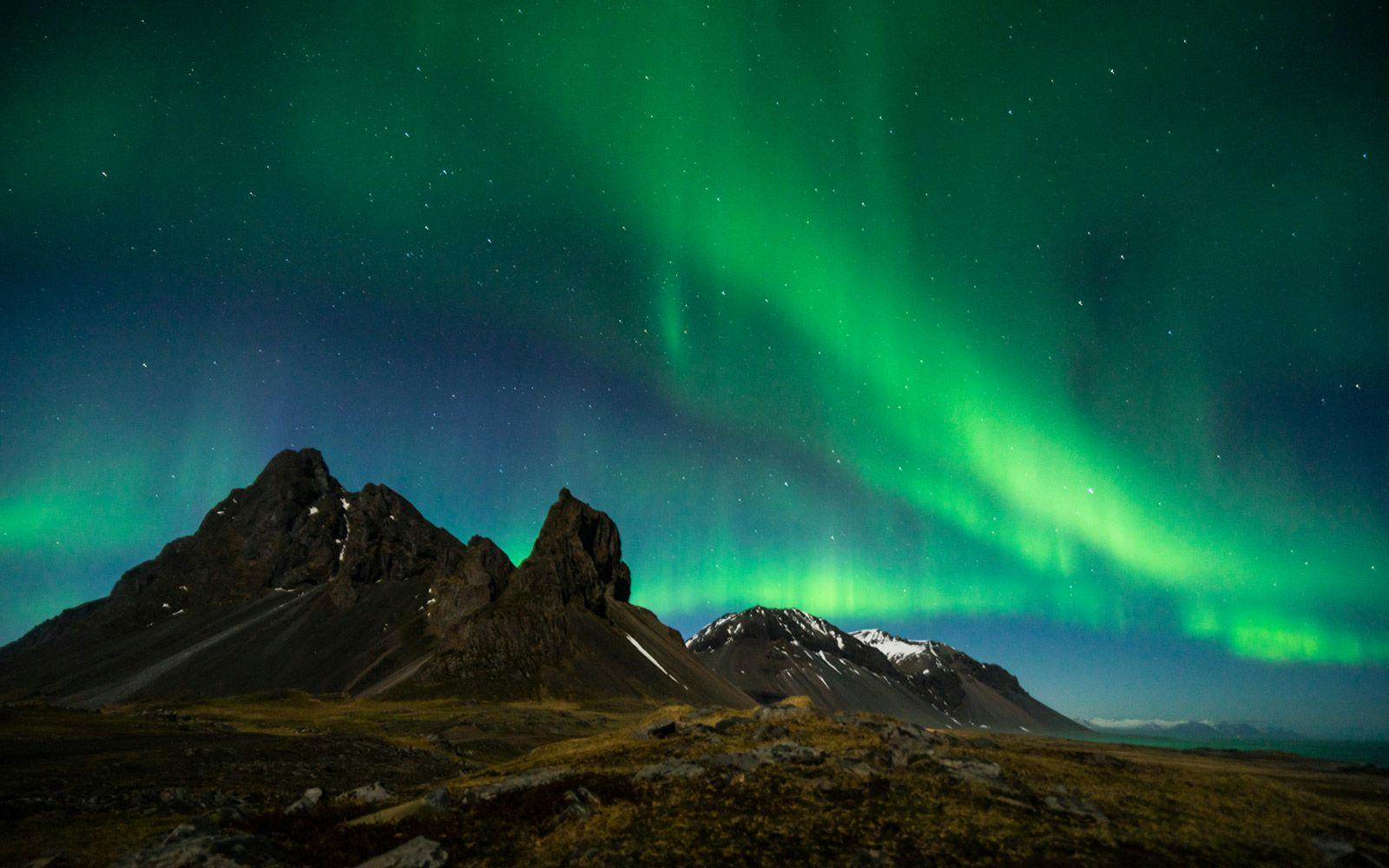
Absolutely. March is a fantastic time to see the Northern Lights.
The Northern Lights (aurora borealis) can sometimes even be seen from downtown Reykjavik.
… but it’s less likely due to the city’s light pollution.
If you want to maximize your chances of seeing the Northern Lights, it is usually worth joining a small-group Northern Lights tour and getting away from city lights.
The best time to see the Northern Lights in Iceland runs from mid-August to mid-April. This period is often referred to as the high season for aurora viewing.
The Northern Lights are actually always there, dancing and moving above us all year round. What changes is whether we can see them from Earth. Visibility depends on a few key factors: solar (electromagnetic) activity, darkness (the darker the better), and cloud cover.
March is still a relatively dark month, and weather conditions are often more stable than earlier in winter. That combination makes it a very strong time to visit Iceland if seeing the Northern Lights is high on your list.
What to Pack for Iceland in March

March packing is classic Icelandic shoulder-season logic: layers and waterproofs matter more than anything else.
Use the layering system: thermal base layer → warm mid-layer → windproof and waterproof outer shell. A simple March packing list:
- Warm insulated jacket or a water-resistant parka
- Waterproof jacket and pants
- Thermal base layers (wool or merino)
- Warm mid-layer (fleece or wool sweater)
- Waterproof boots with good grip
- Hat, gloves, scarf
- Swimwear for pools and lagoons
Local tip: Bring a small daypack. Being able to adjust layers during the day makes March far more enjoyable.
Best Things to Do in Iceland in March
You’re visiting Iceland at a great time of year. March offers a rare balance of winter scenery, increasing daylight, and fewer crowds, making it an excellent month to explore at a comfortable pace. Why not add some unforgettable memories to your trip?
Below is a focused list of activities, cultural highlights, and relaxed downtime ideas that make perfect sense in Iceland during March.
1. Of Course, Chase the Northern Lights

March remains a very strong month for aurora hunting, especially during the first half of the month.
If seeing the Northern Lights is important to you, plan for a few flexible evenings and consider joining a guided tour. Local guides follow real-time forecasts closely, and that local knowledge and mobility make a real difference when clouds move quickly.
We recommend this particular Northern Lights tour to most of our guests because of its consistent 5-star reviews and high success rate.
If you prefer to try on your own - read our full Northern Lights guide here - which explains how to check forecasts, avoid light pollution, and manage expectations.
2. Soak in Iceland’s Geothermal Hot Springs
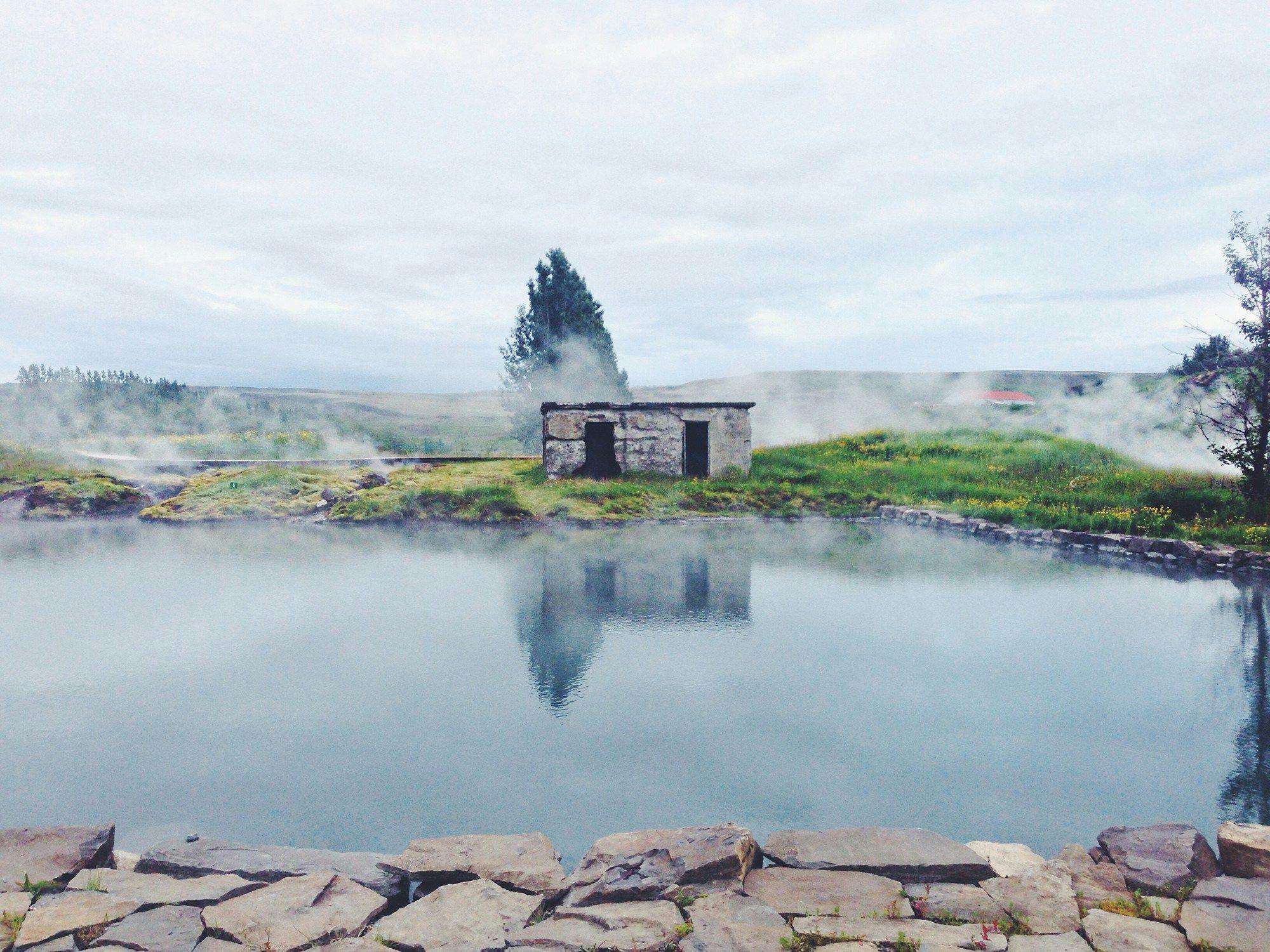
Geothermal bathing is part of everyday life in Iceland.
And there is just something extra special about soaking in warm geothermal water while the air is freezing and snow is falling around you.
You can choose between traditional local swimming pools or more “spa-like” lagoon experiences, such as:
- Sky Lagoon
- Blue Lagoon
- Laugarás Lagoon
Local swimming pools can be found in almost every residential neighborhood in Iceland. Some favorites in Reykjavik include:
- Sundhöllin, Reykjavik’s historic downtown pool
- Laugardalslaug, the largest swimming pool in Iceland (5min drive from downtown)
You can find a full list of all public swimming pools in Reykjavik here.
Neighborhood pools are one of the best ways to experience everyday Icelandic life and are an especially good option when traveling with kids.
3. Enjoy Icelandic Food and Cafés

Reykjavik’s food scene is compact, but consistently high quality. Spending time exploring local restaurants, bakeries, and cafés should be high on any Iceland to-do list.
March is still comfort-food season. So, think lamb soup, juicy fish pans, warm pastries and cafés that invite you to stay longer than planned.
The Reykjavik Food Walk is a perfect activity to do in March because it balances indoor and outdoor time, keeps you warm and well-fed, and gives you practical local insight that improves the rest of your trip. It is the highest-rated tour in Reykjavik and a relaxed introduction to the city’s food scene, with everything included.
4. Explore Winter Landscapes: Waterfalls, Glaciers, and Ice

March delivers classic winter scenery and is an excellent time to explore Iceland’s landscapes without peak-season crowds.
You can expect frozen or partially frozen waterfalls, snow-covered lava fields, glaciers stretching toward the horizon, and fast-changing skies that make every stop feel a little different. Light conditions in March are softer than mid-winter, which is especially good for photography.
Some of the best day trips and excursions from Reykjavik in March include:
- The Golden Circle - the most popular tour from Reykjavik. Gullfoss waterfall, Geysir geothermal area and Þingvellir national park. Find the best classic Golden Circle tour here.
- The South Coast - amazing waterfalls like Seljalandsfoss and Skógafoss, black sand beaches, and wide open views. Here is our recommended South Coast tour.
- Snæfellsnes Peninsula - a diverse mix of coastlines, lava fields, glaciers, and small fishing villages. See photo above. Learn more about Snæfellsnes here.
- Glacier hikes and seasonal ice caves - once in a lifetime glacial adventures. This tour is a see-it-all, do-it-all.
- Jökulsárlón Glacier Lagoon and Diamond Beach - floating icebergs and shifting light, best experienced as part of an overnight tour. This fantastic 2-day adventure tour explores the Glacier Lagoon.
March is ideal for travelers who want winter landscapes but with more daylight and a slightly calmer travel rhythm than earlier in the season.
5. Dive into Reykjavik’s Museums and Culture

March is an excellent time to enjoy Reykjavik properly, without crowds.
A balanced city day might include a café breakfast, a cosy museum visit, the Reykjavik Food Walk, and an evening soak at a local pool before a late dinner. Wow, what a day!
A few great local recommendations that are definitely worth your time:
- Reykjavik Art Museum - Iceland’s largest art museum, always inspiring
- National Gallery of Iceland - beautiful local artworks (+ excellent museum café)
- Settlement Exhibition (871±2) - built around a real Viking longhouse from the 10th century, with interactive displays showing how Reykjavik began
- Phallological Museum - Yes, a penis museum! Odd, funny, and very Icelandic
- Kolaportið Flea Market - food stalls, vintage finds and quirky treasures (open weekends)
6. Go Skiing or Snowboarding

Yes, you can go skiing or snowboarding in Iceland and you do not even need to travel far from Reykjavik.
Bláfjöll (the Blue Mountains), are just a 45 minutes drive from downtown Reykjavik and offer a surprisingly solid winter sports experience.
The mountains are not massive, but the ski area is well run, with good slopes, reliable lifts and beautiful winter scenery. It is truly a favorite local spot whenever conditions line up.
Locals usually bring their own gear, but visitors are well covered too. You can rent everything on site, including skis or snowboards, boots, helmets, goggles etc., making it an easy half-day or full-day adventure from the city.
For current conditions, opening hours and rental info, visit skidasvaedi.is.
Best Tours to Take in Iceland in March
With so many options out there, choosing tours can feel overwhelming. But here’s the good news: at Wake Up Reykjavik we’ve already done the hard work for you. We’ve tested, hand-picked, and partnered only with the very best local operators - the ones we know deliver the highest-quality experiences and have rave reviews to back it up.
So, if you’re wondering which tours are worth your time in Iceland in March, here are my hand-selected March tour recommendations that will make your trip unforgettable:
1. Reykjavik Food Walk
There is no better way to enjoy and really get to know Reykjavik than by joining the Reykjavik Food Walk tour.
You’ll meet awesome locals, see the highlights of Reykjavik and eat some of the best food you can find in Iceland.
The Reykjavik food tour offers all this and more. Spend some time learning to eat like a local while also learning about life in Reykjavik from a real Icelander.
Here are some of my personal highlights from my experience:
- Explore & learn fun facts and stories about Reykjavik
- Enjoying traditional Icelandic meat soup
- Eating freshly caught arctic char
- Visiting the famous Icelandic hot dog stand
- Homemade ice cream
All this and much more awaits you!
The Reykjavik Food Walk is currently rated as the #1 Food & Drink experience in Reykjavik and the #1 tour in all of Iceland on Trip Advisor, with over 17,000+ 5 star reviews.
You can secure your spot on the Reykjavik Food Walk tour here or read the reviews here.
2. Northern Lights Tour
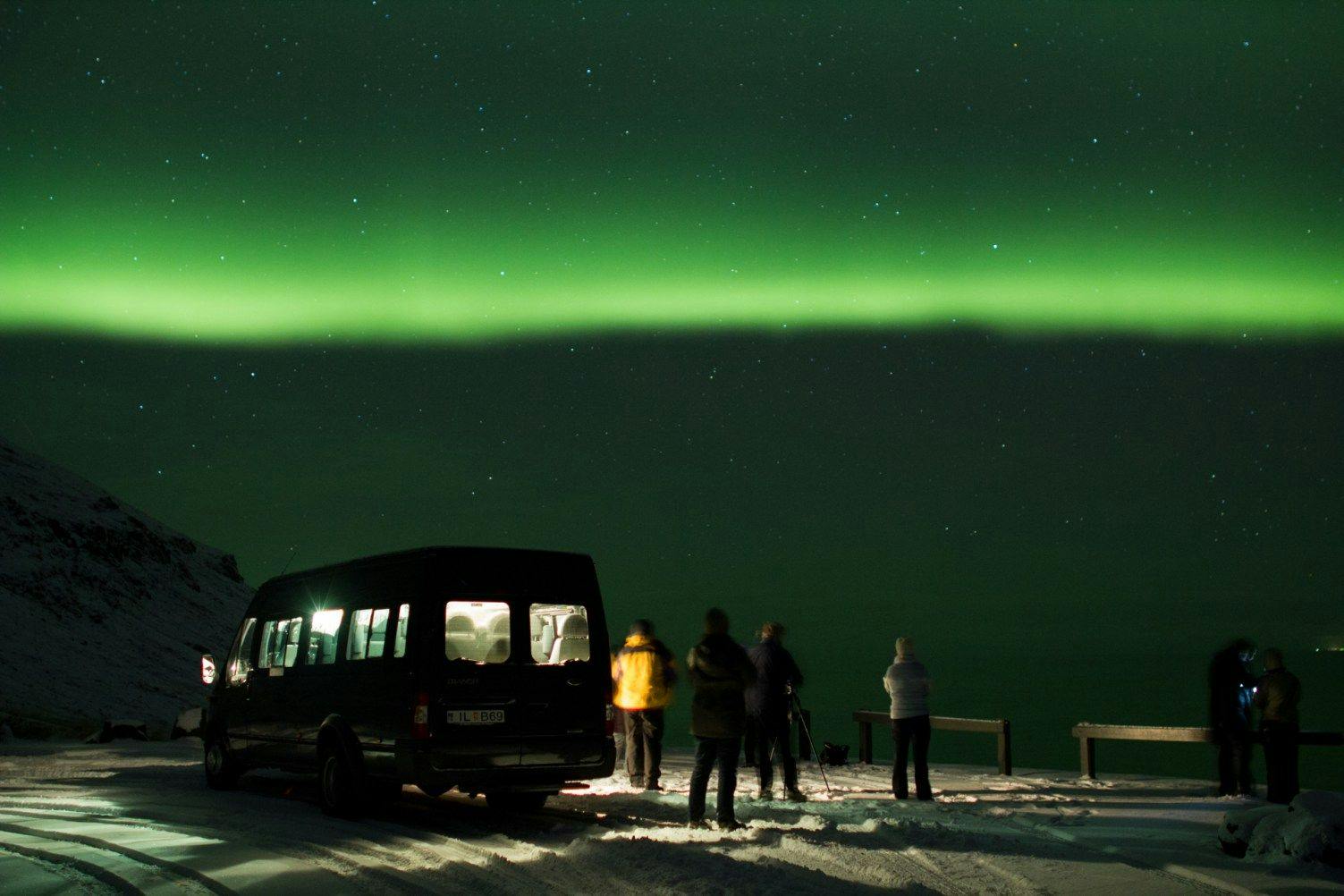
Iceland is one of the best places in the world to see the northern lights!
If you’re lucky enough to be in Iceland during the winter season – I think you’d be crazy not to experience this one of a kind natural phenomenon.
The reasons why I personally recommend you to book a northern lights tour are countless. But here are a few:
You’ll need to drive outside of the downtown Reykjavik area to really see the lights. You can see green glimpses of lights in the city – but that’s often more dull and to be honest, usually not as special. With a northern lights tour, you’ll be picked up at your accommodation. So there will be no need to rent a car - or drive yourself on the sometimes icy and slippery roads. It’s best to leave that to the professionals.
This particular tour that I recommend (my favorite one) is operated by absolute experts when it comes to the northern lights. They have a team of weather experts that monitor the forecast – and will take the tour to the particular spot each night that has the highest chances of seeing the best lights.
If you don’t see any northern lights – you’ll be able to reschedule the tour to a better night. Or if the Northern Lights forecast is bad and the tour gets cancelled, you get a full refund. I could go on, but you get the idea!
You can find more information here - and secure your spot on the northern lights tour that I recommend to all my friends on their way to Iceland.
PS. Do you want to see the lights from a different angle? Check out this awesome Northern Lights Evening Cruise for a magical cruise and aurora view from the water.
3. 2-Day South Coast and Ice Cave Adventure

One of the strongest winter itineraries available. Waterfalls, black sand beaches, glaciers, and a natural ice cave, with an overnight stay included. This is an all out option if you want to see all of the best sights without self-driving stress.
This tour is a total value explosion and only available in winter. It is the ultimate see-it-all, do-it-all Iceland experience.
- Day one: chase the biggest waterfalls like Seljalandsfoss and Skógafoss, walk the dramatic black sand beach of Reynisfjara, and soak up endless glacier panoramas.
- Day two: strap on your crampons for a guided glacier hike, then step inside a shimmering natural ice cave - a once-in-a-lifetime adventure.
👉 Read more about the 2-day South Coast and Ice Cave Adventure here.
👉 Read about the classic, one-day South Coast Adventure here.
4. The Golden Circle
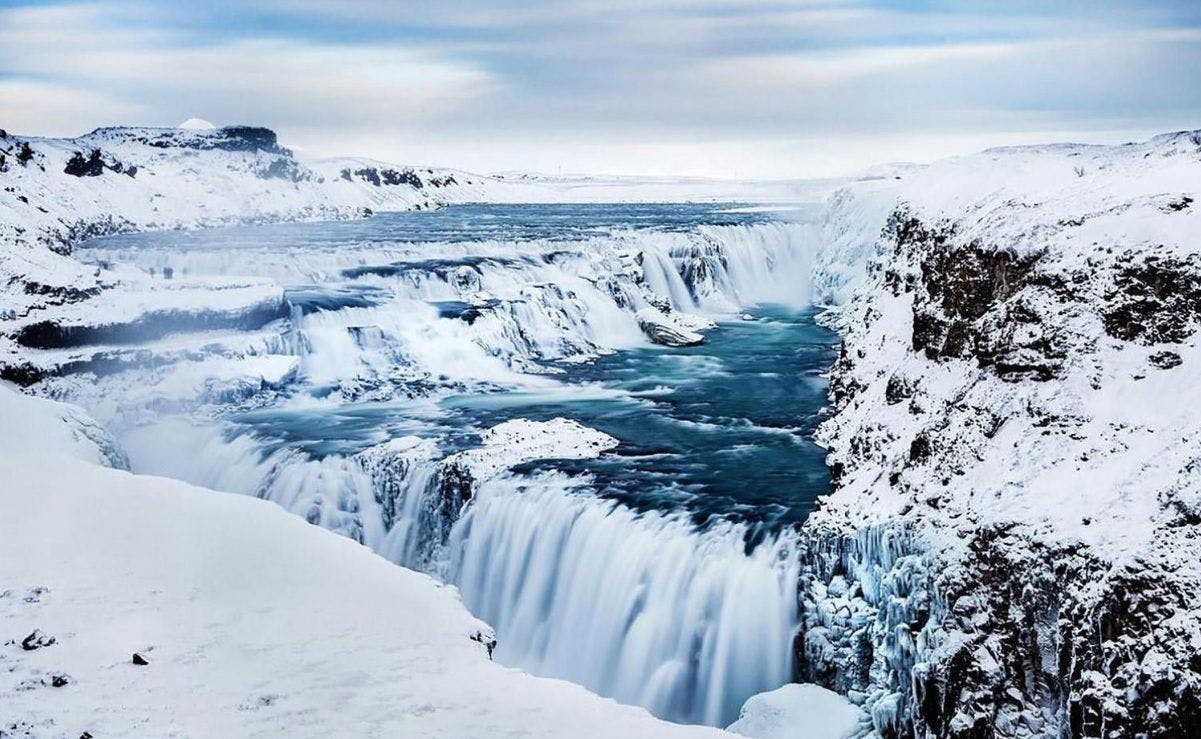
The Golden Circle is a very special tour - for many reasons.
This day tour combines stunning nature with a tremendously rich Icelandic history. It will all come alive in front of you as you journey from location to location.
The Golden Circle takes you mainly to three special locations in the south part of Iceland.
- Þingvellir: (Thingvellir) National park, where the world’s first parliament was formed.
- Geysir: the exploding hot spring which gives us the English word Geyser.
- Gullfoss: A powerful waterfall that originates from the nearby Langjokull glacier.
For those who want to experience the Golden Circle then I will highly recommend this Golden Circle tour here.
I highly enjoyed it plus it is the no.1 rated Golden Circle tour on Trip Advisor and it’s a small-group tour.
If you want to supercharge your day, you can also do a sightseeing + Lagoon combo. After a cold day outdoors, warming up in a geothermal lagoon feels just incredible. Pair the tour with either Sky Lagoon or Blue Lagoon for the ultimate adventure-and-spa experience.
👉 Golden Circle + Laugarás-lagoon (brand new experience in 2026)
5. Snowmobiling and Secret Lagoon
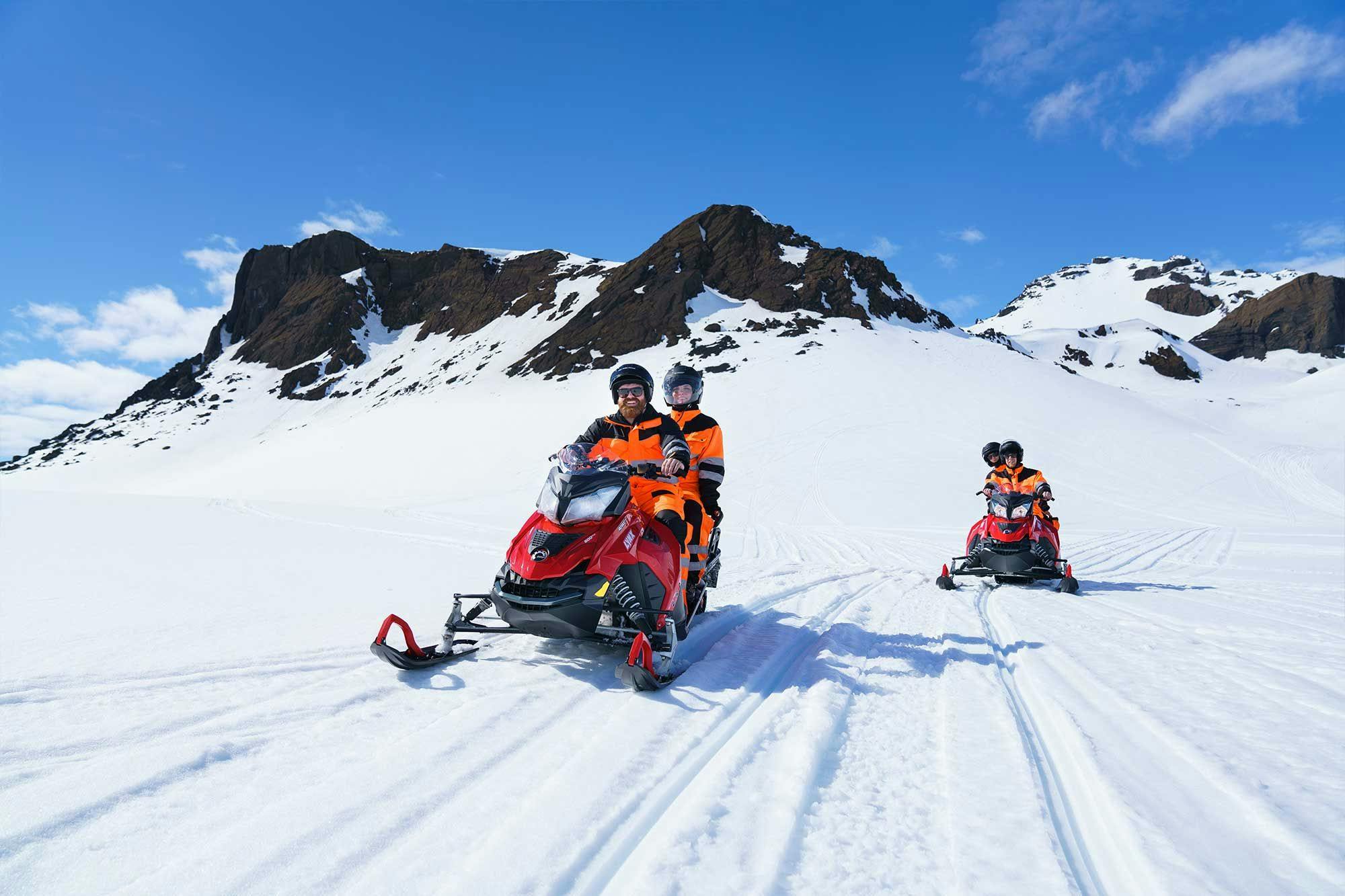
If you want both adrenaline filled adventure and pure relaxation in one day, this tour hits the mark. A day in Iceland doesn’t get much better than this.
This adventure day begins with a snowmobile ride across the wide-open snowy plains of Langjökull, the second largest glacier in Iceland. After the glacier exploration, slow things down with a long soak in the peaceful Secret Lagoon, one of the country’s oldest natural hot springs.
👉 Read more about the Snowmobile & Secret Lagoon tour here
💡 Book with confidence: Wake Up Reykjavik tours are flexible (easy re-scheduling if weather disrupts plans etc.) and always small-group, highly rated experiences - no big buses, just authentic adventures.
These are just a few highlights - check out our All Tours Page to see the full list of curated experiences that we offer from Reykjavik.
Events & Festivals in Iceland in March 2026
March in Iceland is quieter than summer and autumn, but it still has a handful of notable local events and cultural moments that can enrich your visit. Our two favourite events both take place at the very beginning of March this year and are noted below. We highly recommend taking part if at all possible during your stay.
Reykjavik Food & Fun Festival
The Reykjavik Food & Fun Festival is one of Iceland’s flagship culinary events, bringing together world-class and local chefs to collaborate on special tasting menus at top Reykjavik restaurants. It is truly a great excuse to explore Reykjavik’s food scene through creative, limited-time menus and chef showcases.
Learn more about the Reykjavik Food & Fun Festival here.
Beer Day
March 1, 2027
Yes, you read that correctly. March 1 marks Beer Day in Iceland! Celebrating the anniversary of the end of the beer prohibition in 1989. While the scale varies year to year, many bars and breweries in Reykjavik mark the day with tastings, events, and special menus focused on local craft beers and seasonal brews.
And mainly, it’s just a mainstream excuse to meet with friends and get drunk altogether, celebrating great beers and the ridiculousness of the ban.
It’s a fantastic opportunity to explore Iceland’s growing beer scene, be part of urban nightlife, and maybe meet some new local friends.
Easter
This year, Easter will be celebrated on Sunday, March 28th. Locals usually stay home from work from Thursday to Monday, with stores and restaurants sometimes changing their opening times.
This is the perfect time to experience local traditions and have Icelandic lamb meat and local chocolate eggs.
Driving in Iceland in March

Many travelers ask whether driving is realistic in March. The answer is yes, but with conditions.
March can still be a pretty hardcore winter month. This means that roads can be icy, visibility can change quickly, and some routes may close temporarily during storms. That said, locals drive every day, and infrastructure is strong.
If you are uncomfortable with winter driving, guided day tours are often the safer and more relaxed option.
If you plan to drive:
- Rent a vehicle with proper winter tires
- A 4x4 is a sensible choice outside Reykjavik
- Check road and weather conditions daily (road.is and vedur.is)
Is March a Good Time to Visit Iceland?

In short, March is a great choice if you:
- Want winter scenery and more daylight than peak-winter
- Want to see the northern lights
- Prefer fewer crowds
- Value flexibility over rigid schedules
- Enjoy a mix of nature, food, and city life
March may not be ideal if you:
- Want guaranteed mild weather
- Plan extensive summer hiking
- Want to venture into Highlands that may still be closed due to snow
For travelers who understand Iceland’s rhythm, March is quietly one of the most rewarding months of the year.
Local Secrets (Because You Read This Far)

If you made it all the way down here, you deserve a few insider tips. These are some of my personal Reykjavik favorites. They are places and small rituals you will not find in every guidebook, but personal ones that I hope can genuinely make your visit to Reykjavik better.
- Step back in time at Mokka Kaffi. Enjoy hot chocolate and homemade waffles with whipped cream at the original coffee shop in Reykjavik, est. 1958. Wonderfully simple, classic, and authentic Reykjavik vibe.
- Fuel your day trips with freshly baked snacks from the best local bakeries. I highly recommend making a stop at either Hygge, 280 Bakery, or Brauð & Co to grab amazing pastries for your adventures. Any of these high-quality artisan bakeries will make your day tours even more delicious.
- End the night at Bæjarins Beztu Pylsur, the most famous hot dog stand in Iceland. A perfect evening in Reykjavik often looks like this: Early dinner, a little bar hopping, and a late-night snack at the hot dog stand. Lines are usually very short late in the evening, it stays open past midnight seven days a week, and it is not just a great snack but a true Icelandic must-try.
- If you want to shop for a real Icelandic souvenir, something locals actually use, visit the flagship store of 66 North. It is Iceland’s most respected outdoor clothing brand. If anyone knows how to design gear that keeps you warm and protected in harsh weather, it is Icelanders. Founded in 1926, 66 North turned 100 years old in 2026 and is one of the best Icelandic brands you can take home.
Final Thoughts on Visiting Iceland in March

I am genuinely excited that you are planning to visit Iceland in March. In many ways, it is the perfect time of year. Iceland feels at its best when it is snowy and dressed in its winter coat, yet daylight is returning and you can already sense the first hint of spring.
You get dramatic winter landscapes and strong Northern Lights potential, combined with longer days and a city that feels more awake and alive.
If I can leave you with one final tip to start your trip right, plan the Reykjavik Food Walk on the day you arrive. In the very first hours of your stay, you will get to know Reykjavik, get your bearings, enjoy a perfect introduction to Icelandic food, and meet the locals who can help you make the most of the rest of your visit.
See you in Iceland!
Written by Egill Fannar - Co-Founder of Wake Up Reykjavik
Proudly born in Akureyri but a local in downtown Reykjavik, Egill has spent over a decade helping travelers experience Iceland like locals - from cozy cafés & restaurants to hot pools and hidden adventures across the highlands.
Frequently Asked Questions
- Is March a good time to visit Iceland?Yes, March is one of the best shoulder months to visit Iceland. You still get winter landscapes and Northern Lights potential, but with longer daylight, fewer crowds, and improving road conditions compared to mid-winter.
- What is the weather like in Iceland in March?March is still winter in Iceland, but conditions gradually soften. Expect temperatures around freezing, a mix of snow, wind, and clearer days, and more stable conditions toward the end of the month. Weather can change quickly, so flexibility is key.
- How many hours of daylight does Iceland have in March?Daylight increases rapidly in March. Early in the month you get around 10 hours of daylight, while by late March it stretches to roughly 13 hours, making sightseeing much easier than in mid-winter.
- Can you see the Northern Lights in Iceland in March?Yes. March is still an excellent month for Northern Lights viewing. Nights are dark enough, solar activity can be strong, and weather conditions often improve compared to earlier winter months.
- Is it safe to drive in Iceland in March?Driving in March can be safe if you are cautious and flexible. If unsure, it is highly recommended to do guided tours instead. If driving, a 4x4 is recommended, and you should always check road and weather forecasts daily.
- What should I pack for Iceland in March?You should pack warm layers, a waterproof jacket and pants, insulated boots with good grip, gloves, a hat, and thermal base layers. Weatherproof clothing is more important than heavy clothing.
- Are tours and attractions open in March?Yes. Most tours run in March, including Golden Circle, South Coast, ice caves, glacier hikes, and food tours in Reykjavik. Some highland routes and summer-only attractions remain closed.
- Is March less crowded than summer in Iceland?Yes. March is significantly quieter than summer, especially outside Reykjavik. Popular sights are still accessible but far less busy, making it a great month for a more relaxed experience.
- Are there any events or festivals in Iceland in March?March includes local cultural and food-focused events, especially in Reykjavik. It is a great time to experience the city feeling more alive after winter while still enjoying a calm travel atmosphere. The most anticipated events are the Food & Fun festival and Beer Day on March 1st.
- Is March a good time to visit Reykjavik specifically?Absolutely. Reykjavik in March feels more energetic than mid-winter, with longer days, cafés and restaurants buzzing again, seasonal festivals, and easy access to day trips while still keeping a winter vibe.