
A Local Guide to Visiting Iceland in July 2027
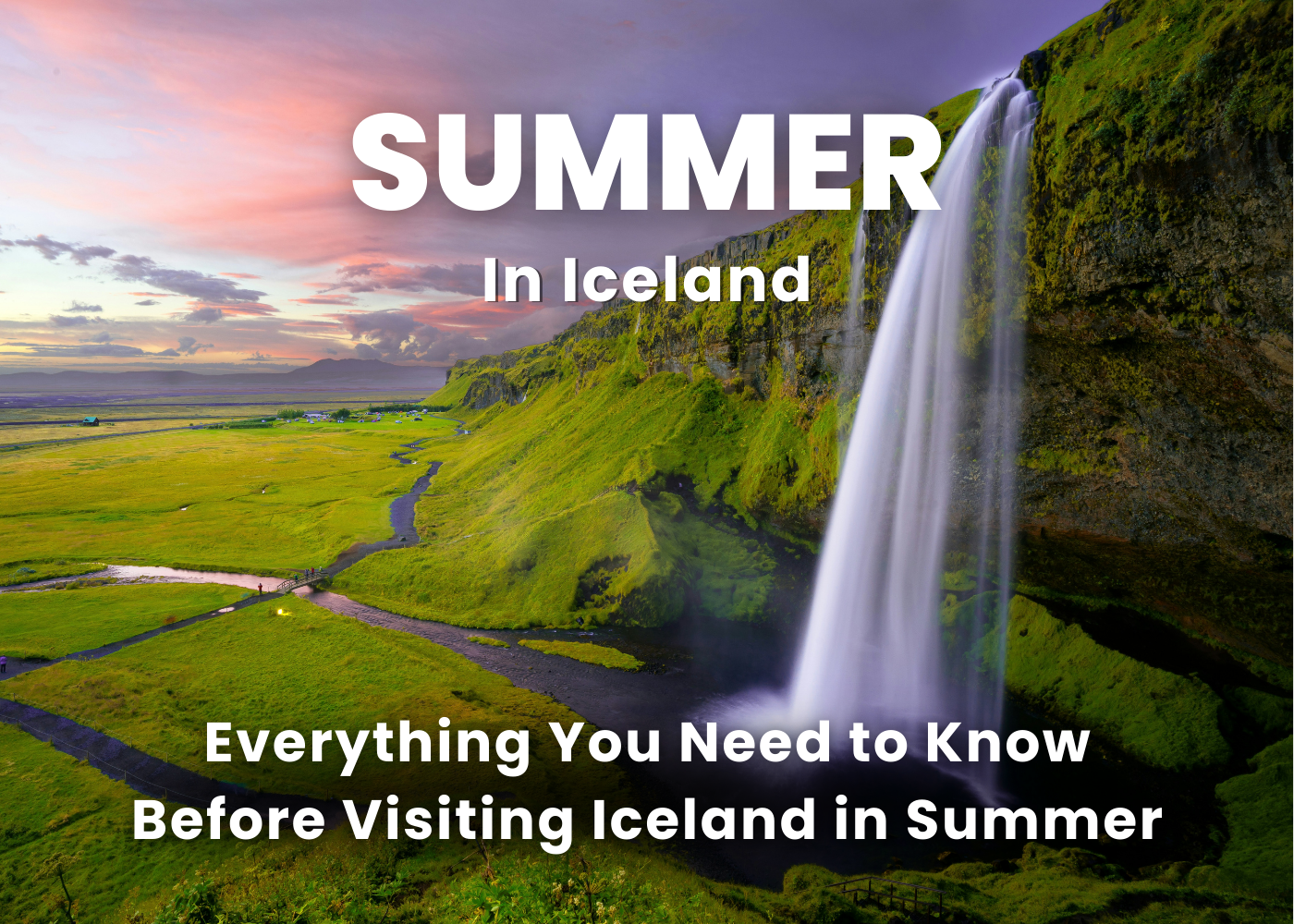
Is July 2027 the best time to visit Iceland? July delivers the best weather of the year; with lively festivals, endless daylight, and bustling wildlife, it’s a favorite month among locals. Plus, it’s the perfect month for roadtripping, camping, and hiking. Highland roads are clear of snow, meaning it's the first month of the year you reach some of Iceland’s most beautiful - and remote - areas.
As there’s so much to do in July, it’s a very busy month to visit. Accommodation, car rentals, flights, and tours sell out quickly and tend to be pricier than other times of year. Booking well in advance is your best bet for enjoying one of the warmest and best months to visit Iceland. We love July, and if you visit, you’ll find out exactly why it’s so special.
Here’s a deep dive into how to make the most of your trip to Iceland in July 2027, including packing lists, local secrets, the best tours to do, and more.

Weather in Iceland in July
July is the middle of the Icelandic summer and widely considered the hottest month of the year! Temperatures in July in Iceland range from 10°C (50°F) to 15°C (59°F) on average. Temperatures can reach 20°C (68°F), though this is rare even in the hottest part of the year. You’ll want to wrap pretty warm, even in July - “real feel” temperature due to wind and rain can make it feel as low as 5°C (41°F).
July is one of the driest months, with little to no snow anywhere and most rain coming in light showers. In Reykjavik, you can expect an average of 50 mm (1.9 inches) of rain in July, spread across roughly 10 days. The temperature only rises about 1°C between July 1st and July 31st, so it doesn’t matter much when you visit.
Expect to see quite a few Icelanders lying out by swimming pools and wearing t-shirts and shorts this time of year! But, if you’re just visiting and not used to Icelandic weather, you’ll want to bring some warmer layers.
Daylight in Iceland in July

July is just after June’s summer solstice, which is when Iceland experiences the “midnight sun,” where there’s nearly 24 hours of daylight! As a result, Iceland receives an average of 19 hours of sunlight per day in July.
In Reykjavik, the sun rises at around 3:40am and sets around 11:25pm in mid-July. The further north you go, the more daylight you’ll get - the northern town of Akureyri receives a massive 22 hours of daylight per day!
Here’s what you can expect from daylight in Reykjavik in July:
July 1st:
- Sunrise: 03:05
- Sunset: 23:56
- Total daylight: 20 hours 50 minutes
July 31st:
- Sunrise: 04:31
- Sunset: 22:34
- Total daylight: 18 hours 3 minutes
Can You See the Northern Lights in July?

No, you can’t see the Northern Lights in July because of nearly non-stop daylight. You should also know that Northern Lights tours don’t operate during the summer. That said, if you want to explore the beautiful Icelandic countryside, take Golden Circle road trips, and appreciate local wildlife like adorable puffins, summer is the best time to visit Iceland!
The best time of year to see the Northern Lights in Iceland is between mid-August and mid-April. You can maximize your chances of seeing the aurora by booking a Small-Group Northern Lights Tour, where an expert local guide will plan a trip to the best places to see this natural phenomenon.
Is Iceland Busy in July?

July is the busiest month to visit Iceland. And not just because of the weather - the Highland roads are open, wildlife like whales and puffins are easier to spot, and there are popular events like Landsmót.
You won’t find it “busy” like cities in mainland Europe, but you may find parking lots full and accommodation and experiences booked up well in advance. Central Reykjavik and certain tourism routes, such as the Golden Circle, will also see more traffic, but still not near the levels seen in major metropolitan areas.
If you’re visiting Iceland in July, book everything several months in advance, like flights, tours, accommodation, and car rentals. Ideally, you’ll want to have everything booked by the end of December.
What to Pack for Iceland in July

Despite being the warmest time of year in Iceland, July also brings unpredictable weather - it comes with the territory! Wearing 3 layers with a waterproof outer layer is the golden rule in Iceland. That way, you strip off a layer or two if you get too warm, and you won’t have to worry about getting caught in downpours.
Pro tip: Biting midges have become a real annoyance around lakes and marshes in July over the last decade, especially around the popular Lake Mývatn. Bring a strong insect repellent and wear long-sleeved clothing and a head net if visiting one of these areas.
Here’s a packing list for July in Iceland:
- Thermals - Your base layer with moisture-wicking properties to move sweat and moisture away from your skin, keeping you dry and warm.
- Fleeces, hoodies, sweaters - July can still be chilly, so a snug middle layer is wise to keep you warm in case there’s a cool breeze.
- Packable waterproof jacket - You’re still likely to get some rain in July, and a waterproof jacket is always essential in Iceland. Consider bringing a packable, lightweight waterproof if you’re out exploring on a milder day.
- T-shirts - Believe it or not, it’s possible to get a suntan in Iceland! A few t-shirts make a good base layer when out in Reykjavik.
- Sunglasses - With low-hanging sun and over 19 hours of daylight, sunglasses are a must in July, especially if you’re driving.
- Hiking boots - The best footwear for all occasions in Iceland; don’t go hiking without a solid water-resistant pair!
- Quick-dry socks - It’s easy to get your feet wet when visiting Iceland coastlines and rivers, so quick-dry socks are a must.
- Hats - Protect yourself from the sun with a baseball cap and bring a beanie to keep your ears warm in the wind - both are recommended!
- Sunscreen - Even if it doesn’t feel very warm, you can still get sunburnt, so wear sunscreen when out and about.
- Swimsuit - July is the best time of year to take a dip in Iceland’s famous lagoons and geothermal-heated swimming pools.
- Smart/party wear - The best month of the year for an al fresco drink with friends at one of Reykjavik’s exciting bars, so bring your best party outfits!
- Camera - Whether it’s your phone camera or something a bit fancier, a camera is an essential for capturing your own perspective on Iceland’s volcanic landscape!
Best Things to Do in Iceland in July 2027
Snuggled up by the fire, watching the snowfall, keeping an eye out for the Northern Lights - that’s not how July goes in Iceland! At the height of summer, you’ll want to get outside and see what Reykjavik and beyond have to offer. Getting immersed in nature is a must; there’s so much lush, green countryside to see this time of year!
Let’s check out a few of the best things to do in July 2027.
Camp out in the Countryside

July is the most popular month to get outside, go hiking, and even spend a night under the stars. It’s one of the few times of the year when it’s warm enough to camp in a tent - but motorhomes, campervans, and even cars are also popular sleeping options. Reconnect with nature by camping along Ring Road, which has over 200 campsites to pick from.
Note: You can’t camp just anywhere in Iceland - all campers, including tents, campervans, and motorhomes, must stay at designated campsites. Many campsites let you book in advance on their website, which is a good idea if you’re a July visitor.
Here are some of the most popular campsites in Iceland:
- Þórsmörk Volcano Huts - Located in the Þórsmörk Valley near one of Iceland’s best hiking trails, the volcano huts offer a unique glamping experience. The campground is easiest to access when the Highland F-roads are clear of snow in summer. Note: A large 4x4 is necessary as there is significant river crossing to get to Þórsmörk.
- Skógar Campsite - A campground near Skógarfoss, one of Iceland’s most beautiful waterfalls, just a 30-minute drive from Reynisfjara Beach and Vík village.
- Mosskogar Campsite - Ideal if you want to camp close to Reykjavik and Þingvellir National Park, which are both within a 25-minute drive.
- Skaftafell Camping - The best campground at Vatnajökull National Park, with room for around 400 tents. Surreal natural beauty and a perfect base for hiking.
- Tunguskogur Campground - An excellent and well-equipped campground in the remote Westfjords near the region’s largest town, Ísafjörður.
Want a stress-free road trip - planned to perfection for you - so you don't need to worry about logistics or the weather? Let us plan for you! Book a spot on our 7-day Small Group Ring Road Tour or 3-day Westfjords Tour for an unforgettable experience complete with cozy stays at countryside hotels!
Road Trip on the Golden Circle

This 140 mi (230 km) tourist driving route is a top attraction year round, and it’s especially beautiful bathed in sunshine. It’ll take you about 8 hours to complete the loop, which stops off at 3 of Iceland’s most famous historical and natural landmarks. If you stop at all the sights, it’ll take you around 8 hours - perfect for a day-long road trip.
The Golden Circle centers around 3 main attractions:
- Þingvellir (Thingvellir) National Park - Iceland’s most historically significant site, Þingvellir was home to Alþingi, the Icelandic parliament, for over 860 years. The park’s landscape includes the crystal-clear Silfra Lake and Almannagjá gorge, where the North American and Eurasian tectonic plates meet. It's the only place on Earth where the Mid-Atlantic Ridge is visible at the surface!
- Geysir geothermal area - Iceland’s most famous geyser, which shoots boiling water 60 m (300 ft) high! Geysir’s eruptions are becoming infrequent and unpredictable, but you can visit Strokkur, just 100 m (328 ft) from Geysir, if you want to see a guaranteed geyser eruption.
- Gullfoss waterfall - Meaning “golden falls” in English, Gullfoss is a 2-tiered waterfall that drops 32 m (105 ft). It’s well-loved by travelers and is one of the most beautiful waterfalls in the Land of Fire and Ice.
Take the Classic Golden Circle Tour for a local’s guide to this fantastic route, complete with a visit to an Icelandic tomato farm and a breathtaking volcanic crater lake!
Eat Your Way Through Reykjavik

Icelandic food has come a long way, and July is hands-down the best month to taste it. The city's restaurants lean into the season with fresh-caught fish, free-roaming lamb, and produce from nearby geothermal greenhouses. Add in the long, bright evenings and lingering over a good meal feels like the most natural thing in the world.
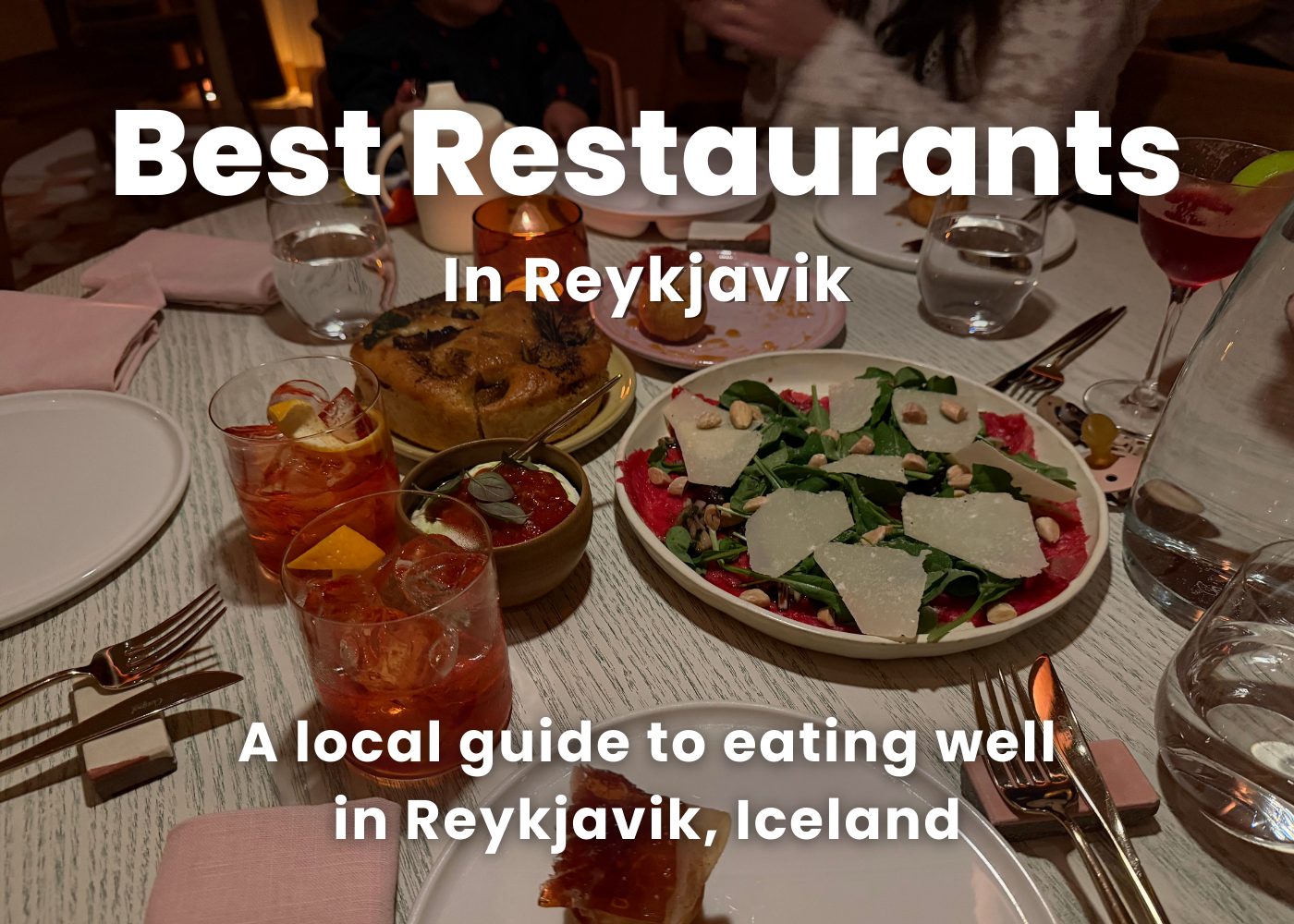
Reykjavik is small, but the food scene punches well above its weight, and even locals argue about where to find the best lamb soup or langoustine. If you want a head start, check out our guide to the best restaurants in Reykjavik before you go.
Better yet, that's exactly why we built the Reykjavik Food Walk. Instead of gambling on one full meal at one restaurant, you get to taste 8 dishes across some of our favorite local spots, all in one relaxed afternoon stroll with a guide who actually lives here. It's a brilliant thing to do on your first day in the city, before you've even decided where to eat for the rest of your trip.
Book your place on the Reykjavik Food Walk here.
Enjoy an Al Fresco Drink at Reykjavik’s Bars, Pubs, and Clubs

The summer months are the best time to wet your whistle in Reykjavik’s lively bars and clubs - it’s warm enough to enjoy a drink on a terrace, and you can soak up the sun late into the evening. Shimmy on downtown to Laugavegur, the capital’s nightlife hub, where you can sample craft Icelandic beers, expertly mixed cocktails, and Iceland’s own schnapps, brennivín.
Fancy a pint under the Icelandic sun? Popular bars with outdoor seating in Reykjavik include: Lemmy, Einstök Bar, Skúli Craft Bar (fantastic for local beer and vibe!), and Sæta Svínið Gastropub. For a terrace drink with a view, hit up SKÝ Bar, located on the 8th floor of the Center Hotels Arnarhvoll overlooking Faxaflói Bay and Harpa. There are plenty of other great drinking holes across Reykjavik if you’re not fussed about outside seating, like Bingo Drinkery (our personal favorite!), Jungle, and Tipsy Bar & Lounge.
Need to fill your belly before hitting the bars? Book a place on the Reykjavik Food Walk and sample 8 local dishes from some of Reykjavik’s finest eateries!
Bathe in Lagoons and Swimming Pools

Locals and travelers alike can’t get enough of Iceland’s lagoons and swimming pools - and for good reason! These unique bathing spots let you warm up from the cold with waters powered by Iceland’s geothermal energy. July is an excellent time to visit these swimming spots, but any time of the year is magical, really.
The most popular lagoons to visit in July include:
- Blue Lagoon - Blue Lagoon is one of the world’s most famous natural bathing spots. Its milky-blue waters, caused by silica, are said to help rejuvenate skin. It’s a 20-minute drive from the airport you’ll arrive at, Keflavík Airport.
- Sky Lagoon - Sky Lagoon is Iceland’s second most popular lagoon, partly thanks to its convenient location within walking distance from downtown Reykjavik. An incredible experience 10-minutes from Reykjavik's centre.
- Laugarás Lagoon - The most popular lagoon away from the capital and a good place to stop for a restful soak along the Golden Circle.
Plus, you’ll find 18 geothermal swimming pool complexes in Reykjavik, complete with saunas, Olympic-sized indoor pools, hot tubs, and even waterslides.
Popular swimming pools in central Reykjavik include:
- Laugardalslaug - The largest swimming complex in Iceland, with indoor and outdoor pools, a beach volleyball court, and onsite concessions.
- Sundhöll Reykjavikur - Nearly 90 years old, Sundhöll Reykjavikur is Reykjavik’s oldest swimming complex. Its sundeck offers views of the impressive Hallgrímskirkja.
- Vesturbæjarlaug - Super local vibe in the down town Vesturbær neighboorhood. Vesturbæjarlaug includes a 25 m (82 ft) pool, children’s pool, sauna, hot tubs and more.
Combine an unmissable Icelandic road trip with a soak in a world-famous lagoon with one of our convenient tours:
- Golden Circle + Laugarás-lagoon (new lagoon in 2026)
- Golden Circle + Sky Lagoon
- Golden Circle + Blue Lagoon
Watch for Native Wildlife
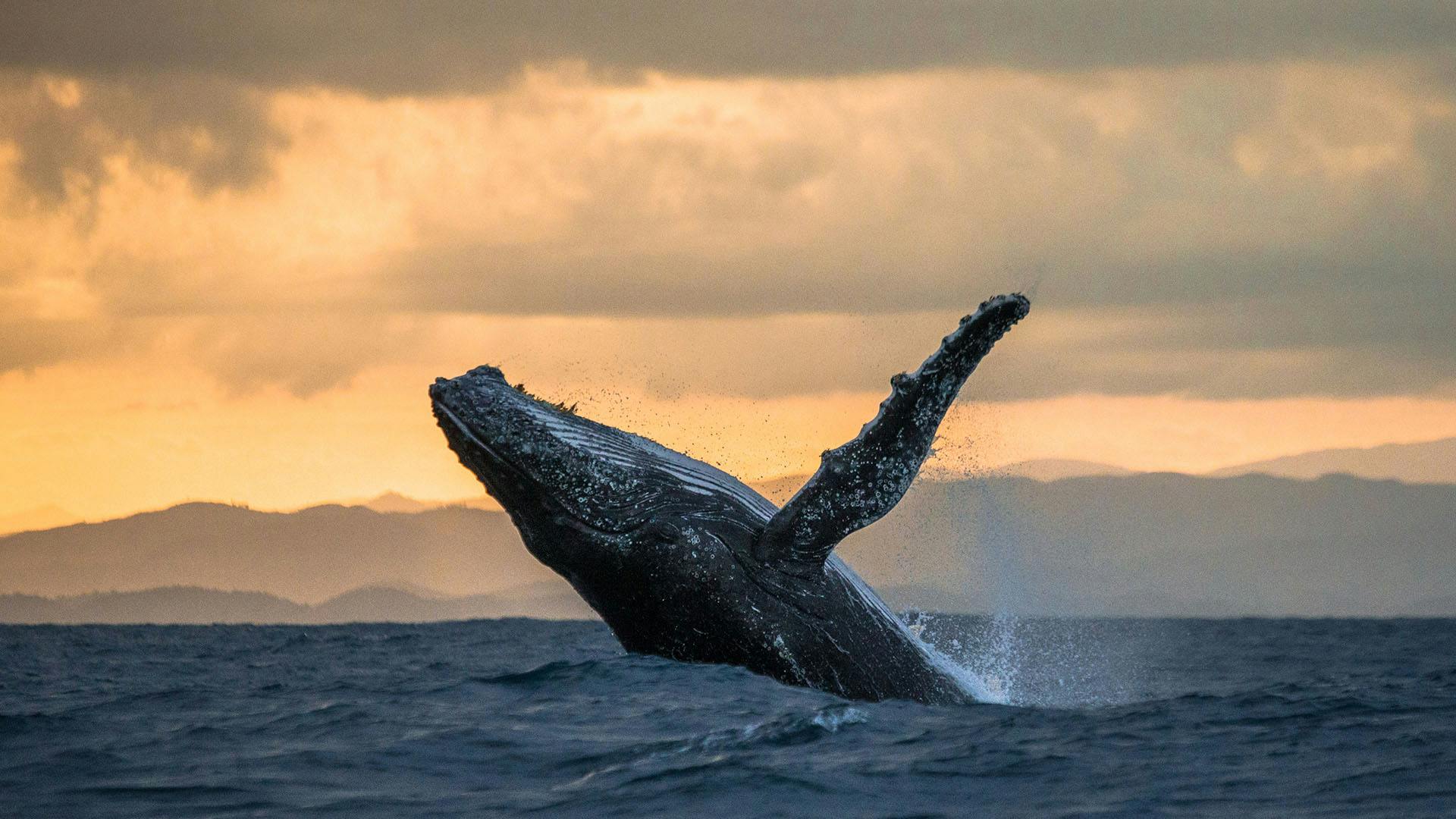
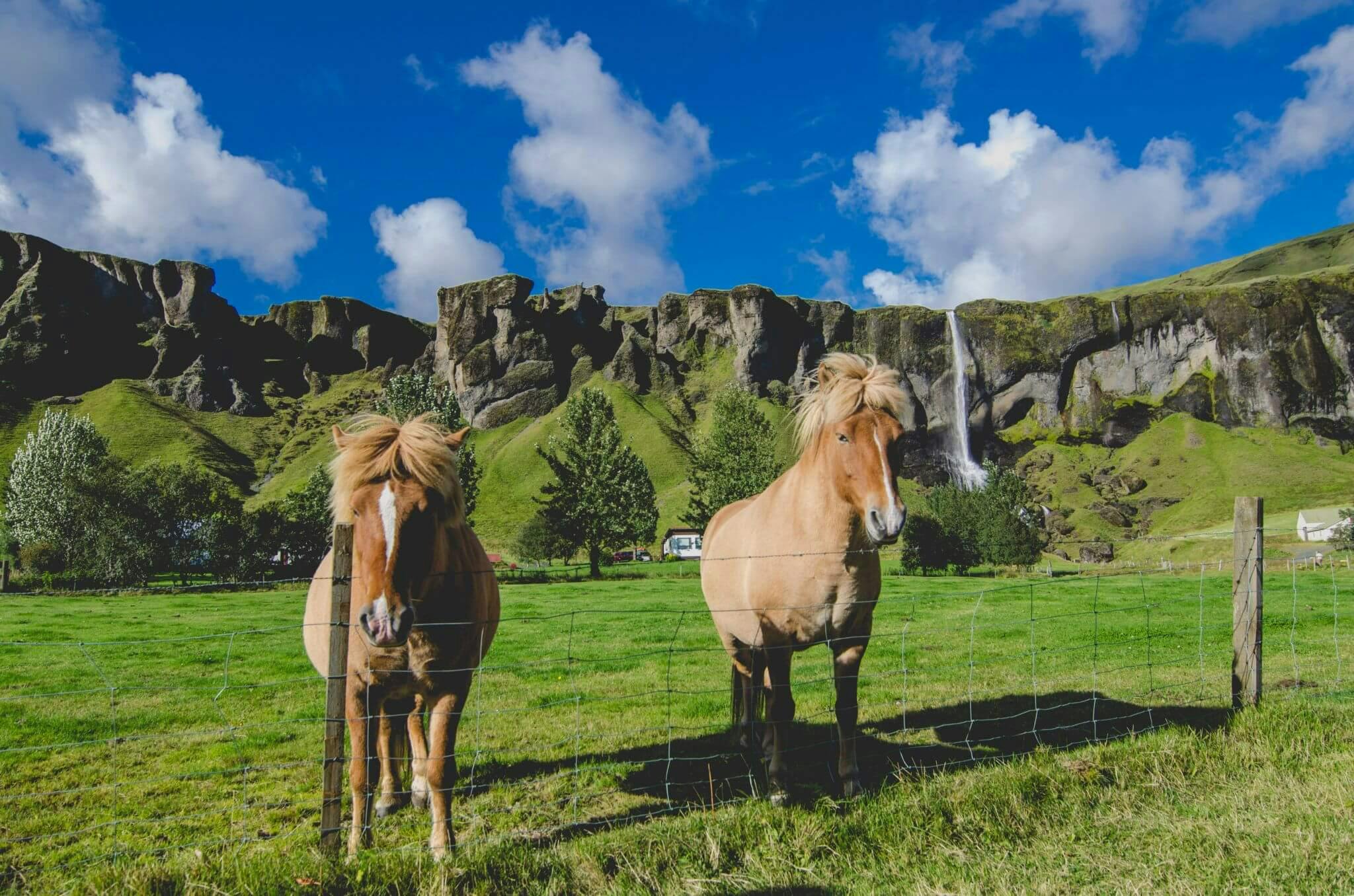
July is one of the best months to spot Iceland’s subarctic animals, with harbor seals, Icelandic horses, and wild reindeer commonly spotted along the coast and roaming the countryside. Plus, it’s the height of puffin season, with these goofy little seabirds nesting and hunting in their thousands from the Westfjords to Reykjavik. It’s an equally excellent month for whale-spotting, with humpback, minke, and fin whales regularly spotted just off Reykjavik’s Old Harbour.
Join our Puffin Tour or Whale Tour for a quick wildlife cruise, conveniently setting sail from Reykjavik’s Old Harbour!
Another popular animal worth keeping an eye out for is the Arctic fox, Iceland’s only native terrestrial mammal. These shy, adorable foxes can be tricky to see any time of year in the wild. If you want a guaranteed interaction, the Arctic Fox Center in the Westfjords lets you come face-to-snout with these Icelandic natives, while also learning about their history and biology.
Book a spot on our 3-day Westfjords Wildlife Adventure to experience the best of Iceland’s wildlife! You’ll visit Látrabjarg cliffs, home to millions of nesting birds, including puffins, northern gannets, and razorbills. We’ll also make a stop at the Arctic Fox Center, and there’s a chance to spot whales off the coast!
Best Tours to Take in Iceland in July 2027
With the sun barely setting and the promise of blue skies, July is the time to get out there and find out what Iceland’s breathtaking landscape has to offer. With well over 1,000 Iceland tours available, it’s tricky to pick the perfect excursion. But fear not - our expert guides have rounded up several top-rated tours you won’t want to miss in July 2027!
The Reykjavik Food Walk

The Reykjavik Food Walk is the quintessential food tour in Iceland, with over 150,000 guests welcomed and 19,000+ five-star reviews on TripAdvisor. We offer travelers a chance to sample local delicacies and delights, from hearty, traditional lamb soup (kjötsúpa) to light, fresh Arctic char caught daily in nearby rivers and lakes. There are also a few surprises along the way and 8 dishes to sample, so bring an empty belly and prepare to broaden your culinary horizons.
July is the perfect time for this food walk - we’ll stroll the streets, enjoy the sunshine, and take in the sights and sounds of the city. Guided by a local expert foodie, you’ll get a real feel for the compact, Icelandic capital, and learn some insider tips and tricks for your trip along the way. Food is something that unites all cultures, and there’s no better way to immerse yourself in Icelandic culture than sampling the best local fare.
Book your place on the Reykjavik Food Walk here.
South Coast Adventure Tour

Black sand beaches, glacial lagoons, and some of the world’s most unique waterfalls are just a few reasons Iceland’s South Coast is magical. July in the sunshine on the South Coast doesn’t get much better, and a multi-day tour of this varied coastline is one of Iceland’s top adventures.
During this 2-day South Coast Adventure Tour, you’ll:
- Stand in awe of the mighty waterfalls. These incredible cascades include Gljufrabui, a secret waterfall hidden in a cave, and Skogafoss, one of Iceland’s most powerful waterfalls, which is featured in Game of Thrones.
- Watch the waves crash on Reynisfjara black sand beach. This famous black sand beach is overlooked by the towering 66 m (217 ft) tall Reynisdrangar basalt sea stacks.
- Trek across Sólheimajökull Glacier. You’ll have the chance to hike across an Icelandic glacier, using crampons, harnesses, and ropes to navigate crevasses and glacial formations.
- Explore the incredible Fjaðrárgljúfur Canyon. Visitors from around the world flock to appreciate this awesome, meandering 2 km (1.2 mi) gorge.
- Stroll around quaint Vík village. The tour ends in Vík, Iceland’s southernmost village, known for its panoramic views of Reynisdrangar and the Dyrhólaey sea arch.
Book your place on the South Coast Adventure Tour here.
Or, join one of our awesome day tours of the South Coast:
Reykjavik ATV Tour

Looking for a thrilling day out that’ll really raise your heart rate? Look no further than the Reykjavik ATV Tour! Ideal for all ages and abilities, this 2-hour tour is located just a 15-minute drive from Reykjavik, making it perfect for a quick - yet exhilarating - excursion.
During the tour, you’ll quad up to viewpoints overlooking the Reykjanes Peninsula and take in the natural scenery surrounding the capital. You’ll save hours of driving time to see these views yourself, with the quad tour allowing you to see the Icelandic capital in style.
Book a spot on a Reykjavik ATV Tour here.
Wonders of Snæfellsnes Tour
The Snæfellsnes Peninsula is a snapshot of Iceland's finest natural wonders. It’s highly recommended if you’re only spending a few days in the Land of Fire and Ice.
Highlights of the Wonders of Snæfellsnes Tour include:
- Kirkjufell - One of Iceland’s most photographed landmarks, Kirkjufell is a spectacular conical hill formed from volcanic rock.
- Djúpalónssandur - A black sand and pebble beach with views along Snæfellsnes’s dramatic coastline.
- Berserkjahraun - A 4000-year-old lava field on the western flank of historic Mt. Helgafell.
- Ytri-Tunga - This golden sand beach is a change-up from the usual black sand you see across Iceland. It’s home to a seal colony; you might get lucky and see some adorable sunbathing pups!
- Lýsuhóll - A classic horse farm where we’ll stop for a homely Icelandic lunch.
Book your place on the Wonders of Snæfellsnes Tour here. Or, see the sights in a small group and experience even more of what this sublime peninsula has to offer with our Private Snæfellsnes Tour!
7-day Small Group Ring Road Tour
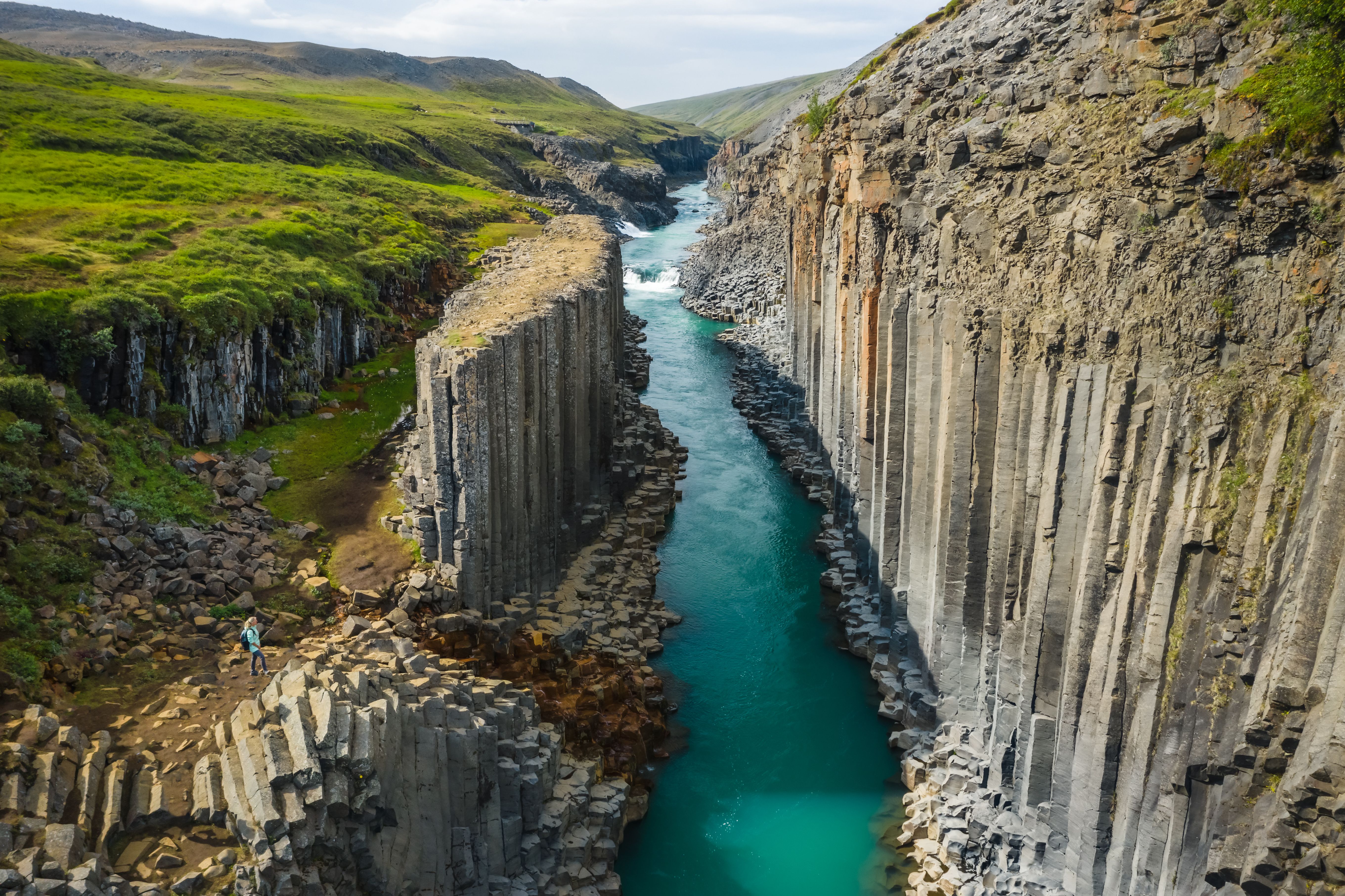
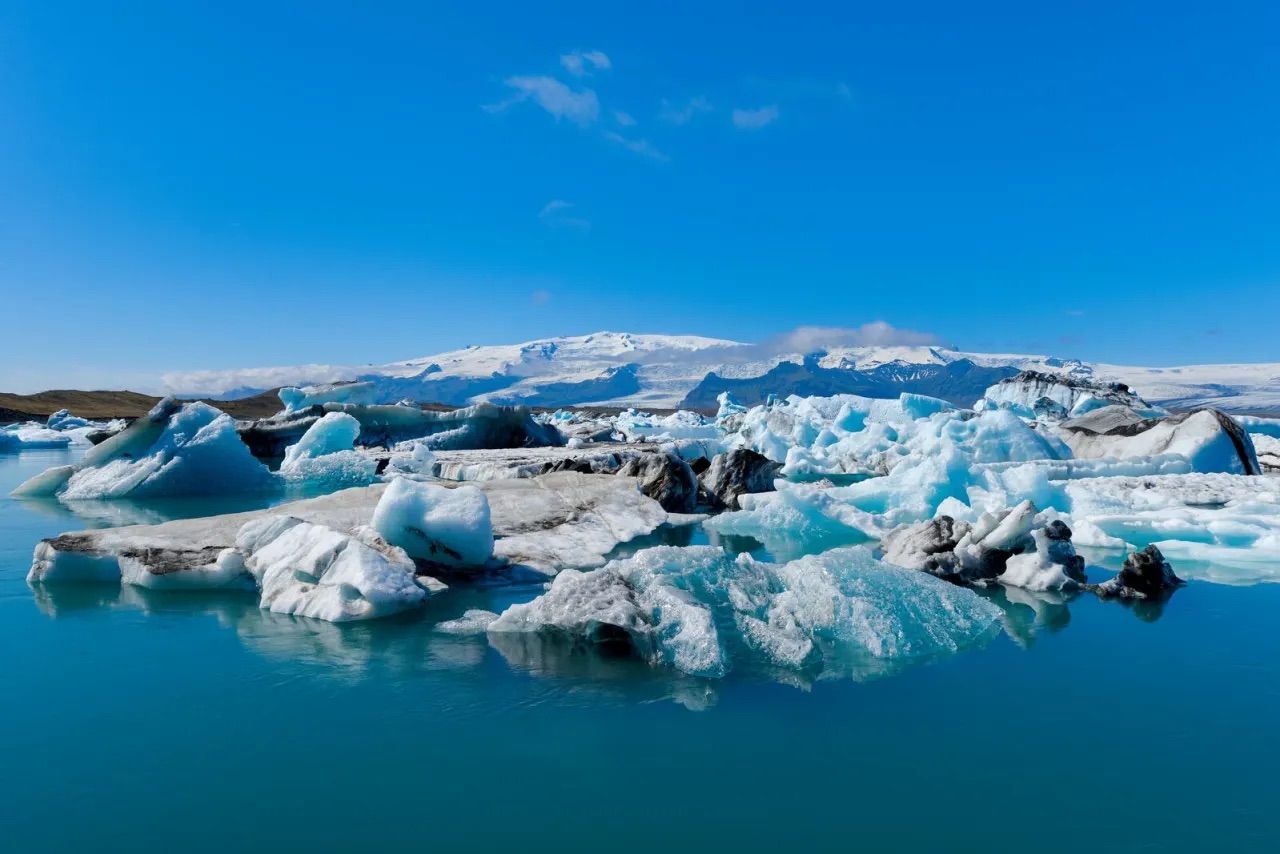
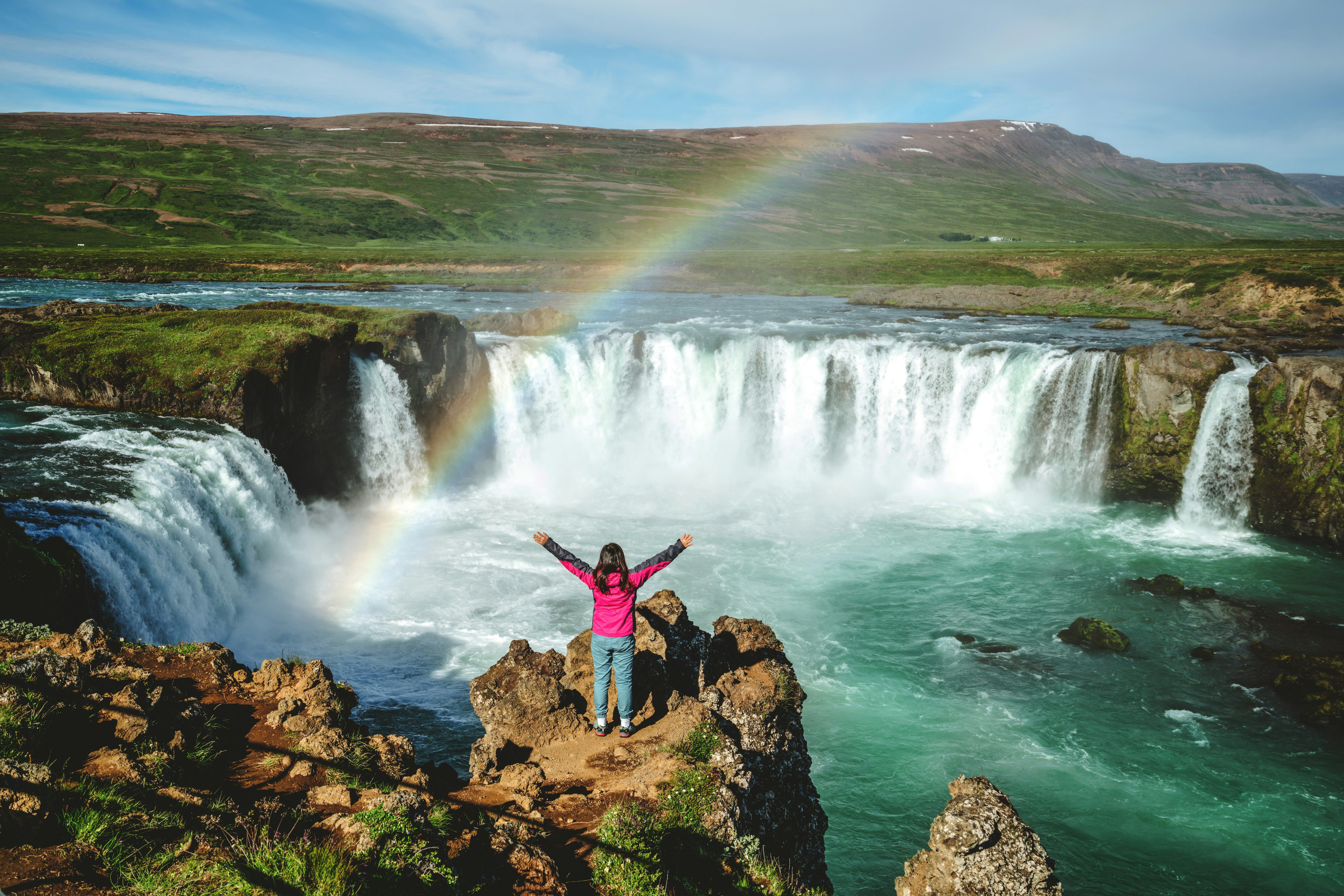
If you want to see every corner of this otherworldly island, the 7-day Small Group Ring Road Tour is the perfect week-long adventure.
You can put your feet up and not worry about a thing - we’ll arrange everything from meals to hotel stays to excursions. See the South Coast’s finest waterfalls, bathe in several of the country’s finest lagoons, and discover lesser-visited regions like East Iceland, where the rugged Vestrahorn awaits.
Savor experiences many visitors miss out on completely, like Vidgelmir, Iceland’s largest lava cave, and the volatile near-boiling Deildartunguhver hot springs. We’ll stay at traditional hotels in some of Iceland’s major towns outside the capital, like the capital of the North, Akureyri, and the charming fjord-side town of Borgarnes.
If you’re searching for the perfect week-long introduction to Iceland with no planning or worries required, look no further.
Book your place on the 7-Day Complete Ring Road Tour of Iceland here.
Searching for more tours?
There’s no shortage of tours in Iceland, from relaxing food walks to longer country-spanning expeditions. Most tours, like the Reykjavik Food Walk, sell out well in advance for July, so make sure you book ahead to avoid missing out!
See our full tour curation here.
Events & Festivals in Iceland in July 2027
Some of the warmest weather of the year opens Iceland’s remotest areas to festivities, with the month's main events in the far north and east of the country. Here are a few of Iceland’s best festivals in July 2027!

The Folk Festival in North Iceland
Dates: July 7-11
Þjóðlagahátíðin á Siglufirði, or the Siglufjörður Folk Music Festival, takes place annually in the small northern fishing village of Siglufjörður. This festival features folk music from around the world, including arrangements from Iceland, Ireland, the U.S., and Japan.
It’s fantastic if you fancy a jig, with concerts all day across the village, including at Siglufjörður Church and the Herring Era Museum, Iceland’s largest maritime museum. You can even get involved in the music-making by trying your hand at a traditional string instrument, like a langspil or Icelandic fiddle.
Landsmót, The National Icelandic Horse Competition
Dates: July 5-12
The country is famous for its Icelandic horses, and Landsmót is the ultimate showcase of the special characteristics of this iconic breed. Held every other year in early July, it moves around the country from one edition to the next - the 2026 event, for instance, took place at Hólar í Hjaltadal in the Skagafjörður region of northern Iceland.
Riders and their steeds partake in Gæðingakeppni, a freeform competition that displays the five gaits of the Icelandic horse, letting riders show off their personality and flair alongside their horse's ability. The highlight of the Landsmót is considered the Tölt Competition, which focuses on the breed's signature smooth, powerful gait.
Because it's biennial, Landsmót skips alternate years - check landsmot.is ahead of your trip to see if it's on and to catch the confirmed dates and host town.
The Bræðslan Music Festival
Date: July 31st
Several music festivals take place in July, like the Westman Islands’ Þjóðhátíð or the heavy metal Eistnaflug, but one of the most unique is Bræðslan. This family-friendly festival takes place annually in an old fish factory in the quaint village of Borgarfjörður eystri in Eastern Iceland.
This wild and remote family-friendly festival features close-up live performances by local and international musicians, along with markets, workshops, and art exhibitions demonstrating the finest cultural experiences Eastern Iceland has to offer.
Is July a Good Time to Visit Iceland?

July is the perfect time to visit Iceland for:
- Enjoying (relatively) warm weather
- Camping and hiking
- Exploring the Highlands region
- Roadtripping around the Ring Road
- Seeing local wildlife
Iceland in July isn’t good for:
- Planning a last-minute getaway
- Getting the best deals on hotels, flights, etc.
- Seeing the Northern Lights
- Enjoying winter scenery and snow
Local Secrets (Because You Read This Far)
Psst, down here! You’ve read this far, so it’s time to let you in on some lesser-known info that some visitors wouldn’t think of or know about before visiting. Here are our insider tips and tricks.

The Ultimate Icelandic Festival Look
Music festivals mean one thing for fashionistas - dressing to impress! If you’re attending the likes of Eistnaflug or Bræðslan festival, pick up a Lopapeysa, a traditional wool sweater that’ll help you look the part and keep you warm. The Handknitting Association of Iceland in Reykjavik is a great (yet pricey) place to pick up one of these authentic jumpers.
Or, you might want to pick up a trendy raincoat during your visit, in case your festival gets rained on. Brands like 66°North make some of the most trendy and stylish winter wear in the country, if you want to complete your festival look with something fashionable and functional.
Tips for Visiting the Highland Region
July is the best time to visit the Highland region, with road conditions the best for venturing into this remote, rugged landscape. Still, you’ll need to be prepared. A 4x4 is essential in the Highlands, as you’ll have to ford shallow river crossings and tackle rough road conditions.
You’ll find no gas stations in the Highlands, so fill up your tank and plan your journey carefully so you don’t get stranded. Even outside the Highlands, gas stations are few and far between, so you really don’t want to get stuck!
Phone service is spotty, so download maps or bring a physical copy. Dress warm, and bring spare clothes in case the weather takes a turn for the worse. Pay attention to road conditions and check the local weather before hitting the road.
Final Thoughts on Visiting Iceland in July

July may be the busiest time of year to visit Iceland, but it’s easy to see why travelers turn up in their hundreds of thousands. The promise of warmer temperatures, Highland access, world-class festivals, and cutesy puffins are too much to resist. There’s a reason why it’s a favorite month among locals! As long as you weren’t planning on seeing the Northern Lights, July is hard to beat when it comes to Icelandic vacations.
We hope you love July in Iceland as much as we do, and that you have the time of your lives discovering every corner of this remarkable landscape. Get in contact below if you have any questions about our tours!
Written by Adam Lee-Smith: An English native currently living in Ireland, Adam has traveled extensively to all corners of Iceland, working closely with the Wake Up Reykjavík team to create insightful content that helps visitors experience the best that the Land of Fire and Ice has to offer.
Frequently Asked Questions
- Is July a good time to visit Iceland?Yes, July is one of the best months to visit Iceland. You get the warmest weather of the year, nearly 24 hours of daylight, open Highland roads, puffins, whales, and the country's biggest festivals. The only real downside is that it's also the busiest and priciest month, so booking flights, accommodation, and tours well in advance is essential.
- How warm is Iceland in July?July is Iceland's warmest month, with average temperatures between 10°C (50°F) and 15°C (59°F). On a good day it can reach 20°C (68°F), though wind and rain can make it feel closer to 5°C (41°F). Layers are still your best friend.
- Can you see the Northern Lights in Iceland in July?No. The sky never gets dark enough in July for the aurora to be visible, and Northern Lights tours don't run in summer. If seeing the lights is your priority, plan a trip between mid-August and mid-April instead.
- How many hours of daylight does Iceland get in July?Around 19 to 21 hours, depending on where you are and which week of July. In Reykjavik on July 1st, the sun rises around 3:05 and sets just before midnight. Up north in Akureyri, you'll get even more.
- What should I pack for Iceland in July?Think layers with a waterproof outer shell. Bring thermals, a fleece or hoodie, a packable rain jacket, hiking boots, quick-dry socks, sunglasses, a swimsuit for the lagoons, and something nice for a night out in Reykjavik. Don't forget insect repellent if you're heading to Lake Mývatn.
- Do I need to book tours in advance for July?Yes, and earlier than you think. July is peak season and the most popular tours, including the Reykjavik Food Walk, sell out weeks or even months ahead. Aim to have tours and mayor experiences booked early in advance if possible.
- What are the best things to do in Iceland in July?Road-tripping the Ring Road, driving the Golden Circle, hiking and camping in the Highlands, soaking in geothermal lagoons, spotting puffins and whales, eating your way through Reykjavik, and catching one of the summer festivals. July is the only month of the year you can comfortably do all of these in a single trip.
- Is Iceland expensive in July?Yes, July is the priciest month to visit. Flights, rental cars, hotels, and tours all hit peak rates, and the best ones sell out first. Booking early is the single best way to keep costs down and avoid disappointment.
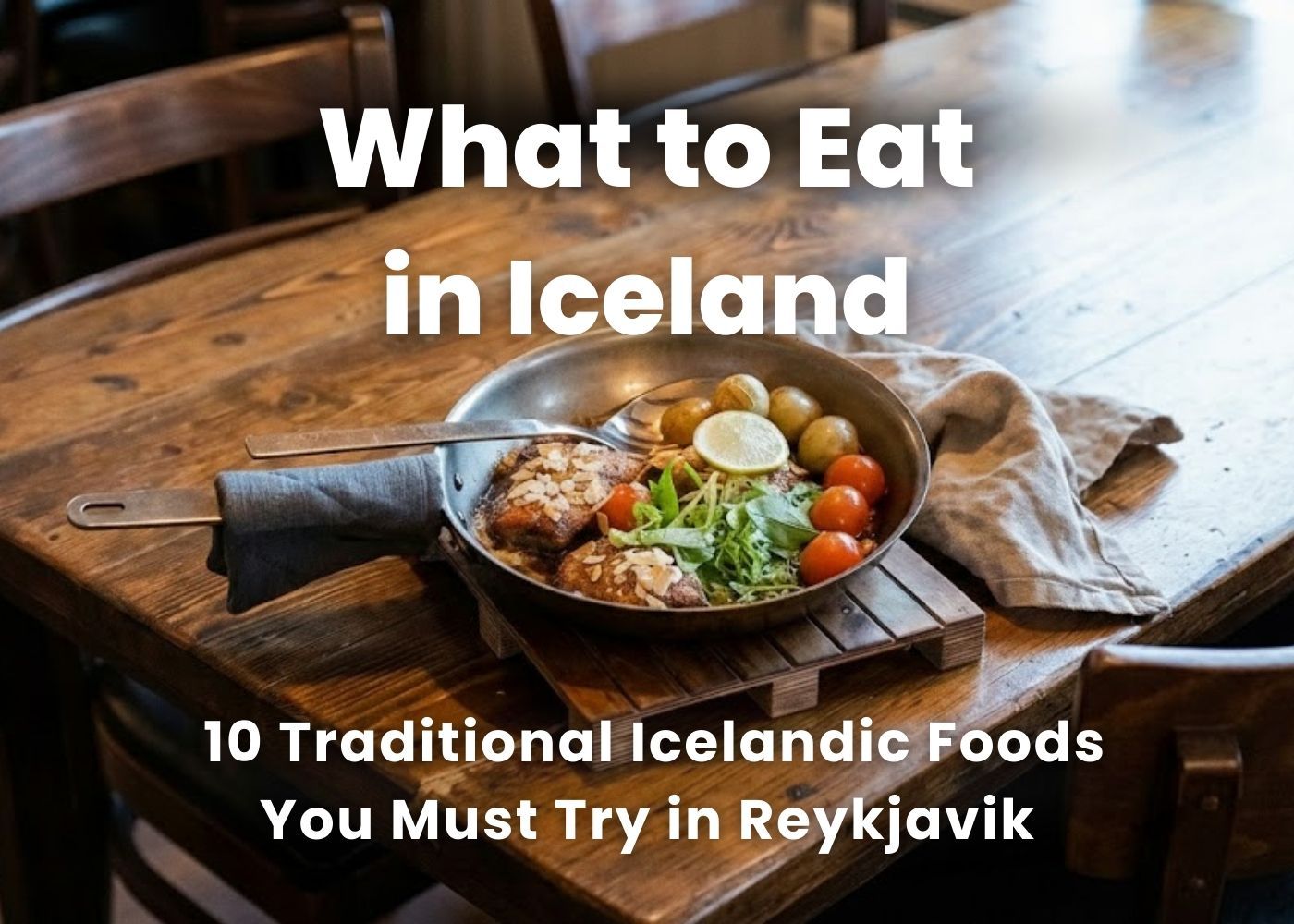
- What food should I try in Iceland?Don't leave without trying lamb soup (kjötsúpa), fresh Arctic char, Icelandic lamb, skyr, and the local rye bread baked using geothermal heat. The easiest way to sample a bit of everything in one go is the Reykjavik Food Walk, which takes you through 8 tastings at some of the city's best local spots.
- Can I drive the Highlands in July?Yes, July is the first reliable month for Highland driving, as the F-roads are usually clear of snow. You'll need a 4x4, plenty of fuel, downloaded maps (phone signal is patchy), and a careful eye on weather and road conditions. If you'd rather skip the logistics, a guided tour is the easier way in.