Why visit Iceland in January? Because January is Iceland at its purest winter best - snowy landscapes, dramatic skies, long cozy nights and some of the strongest northern lights chances of the year.
It’s quieter and far less crowded than summer, with better availability on tours and hotels and a more relaxed local pace.
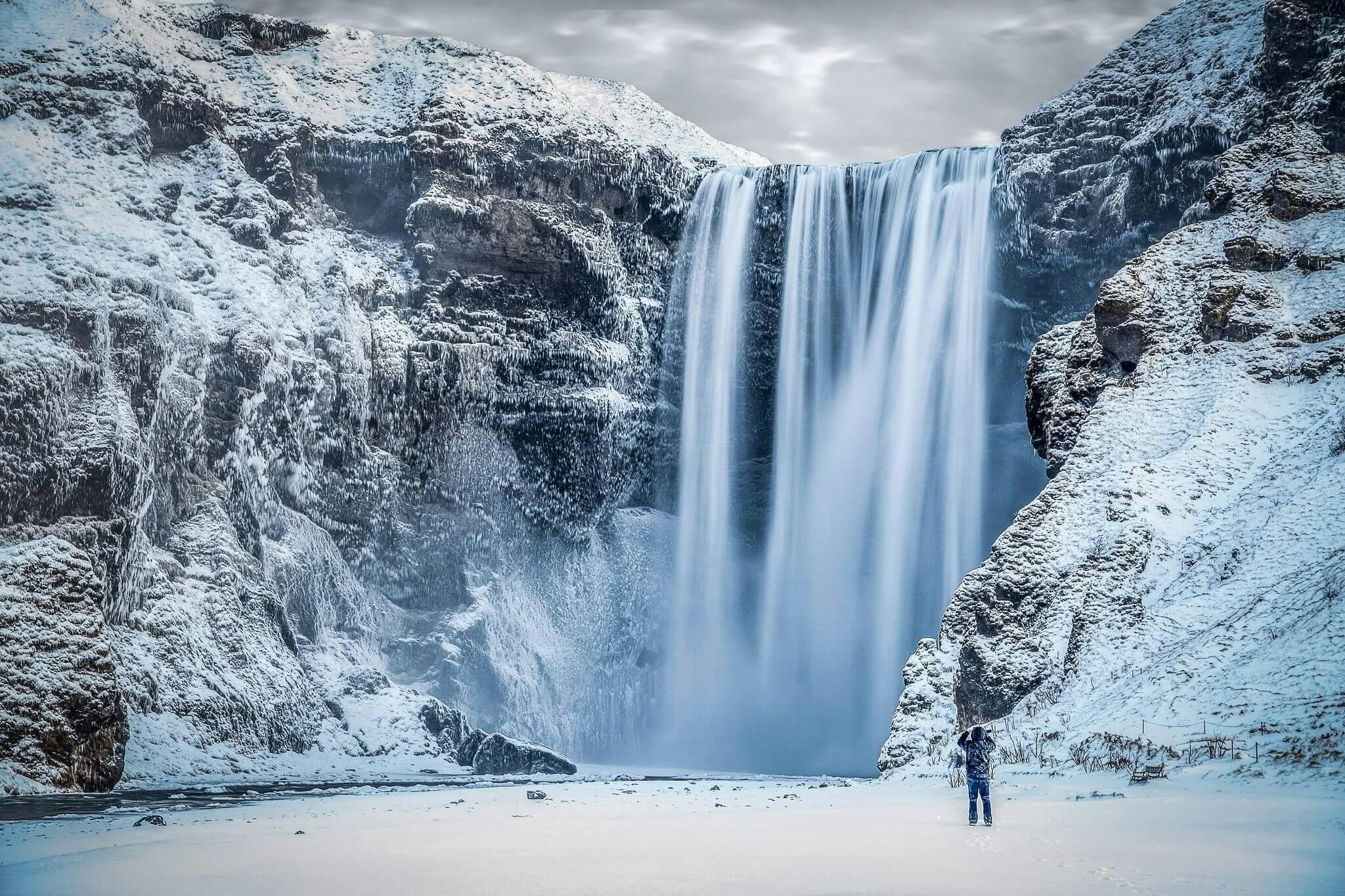
And despite what many travellers imagine, January in Iceland isn’t unbearably cold. Reykjavik usually sits close to 0°C, and on the right day the air feels crisp, clear and almost magical. Combine early sunsets, frozen waterfalls, glowing snow and steaming hot springs and you get a winter atmosphere you simply won’t experience in any other month.
In this guide, I’ll walk you through everything you need to know before your trip: January weather, daylight hours, what to pack, driving conditions and the best things to do - from northern lights hunts and glacier adventures to geothermal pools and Reykjavík’s food scene. I’ll also share the tours that offer the best value for your time, plus local tips to help you plan the perfect winter trip.
Egill Halldórsson
Last updated: August 31, 2026
Weather in Iceland in January
The average temperature in Reykjavík in January is around 0.5°C (33°F), and in north Iceland it sits closer to -1°C (30°F).
Most days fall between -10 and +5°C (14 and 41 °F), so while it’s definitely winter, it’s usually not as brutally cold as many visitors expect. What you’ll feel most is the wind - calm days feel crisp and comfortable, windy ones feel much colder.
January is also when Iceland usually slips fully into its winter coat. Snow is common, and it’s normal for the ground to stay white for long stretches of the month, especially outside the city.
Weather insights from January 2025
In January 2026, Reykjavík had 19 days with full snow cover, and the north saw 26 days.
Precipitation is frequent this time of year. Reykjavík had 107.9 mm of rain and snow in January 2025, with 13 days of measurable precipitation. Despite that, the month also brought 37+ hours of sunshine - a bright January by local standards. The winds were unusually calm across the entire country, with some stations recording their lowest January wind averages of the century.
And because Iceland sits close to the Arctic Circle, January has some of our shortest days of the year. Here’s what daylight looks like in Reykjavík:
January 1:
Sunrise: 11:20
Sunset: 15:41
Total daylight: 4 hours 21 minutes
January 31:
Sunrise: 10:07
Sunset: 17:13
Total daylight: 7 hours 6 minutes
It may sound dark, but this is exactly what makes January so beautiful - the snow lightens the landscape, the air feels fresh and still, and the long nights give you excellent chances to see the Northern Lights.
Seeing the Northern Lights in January
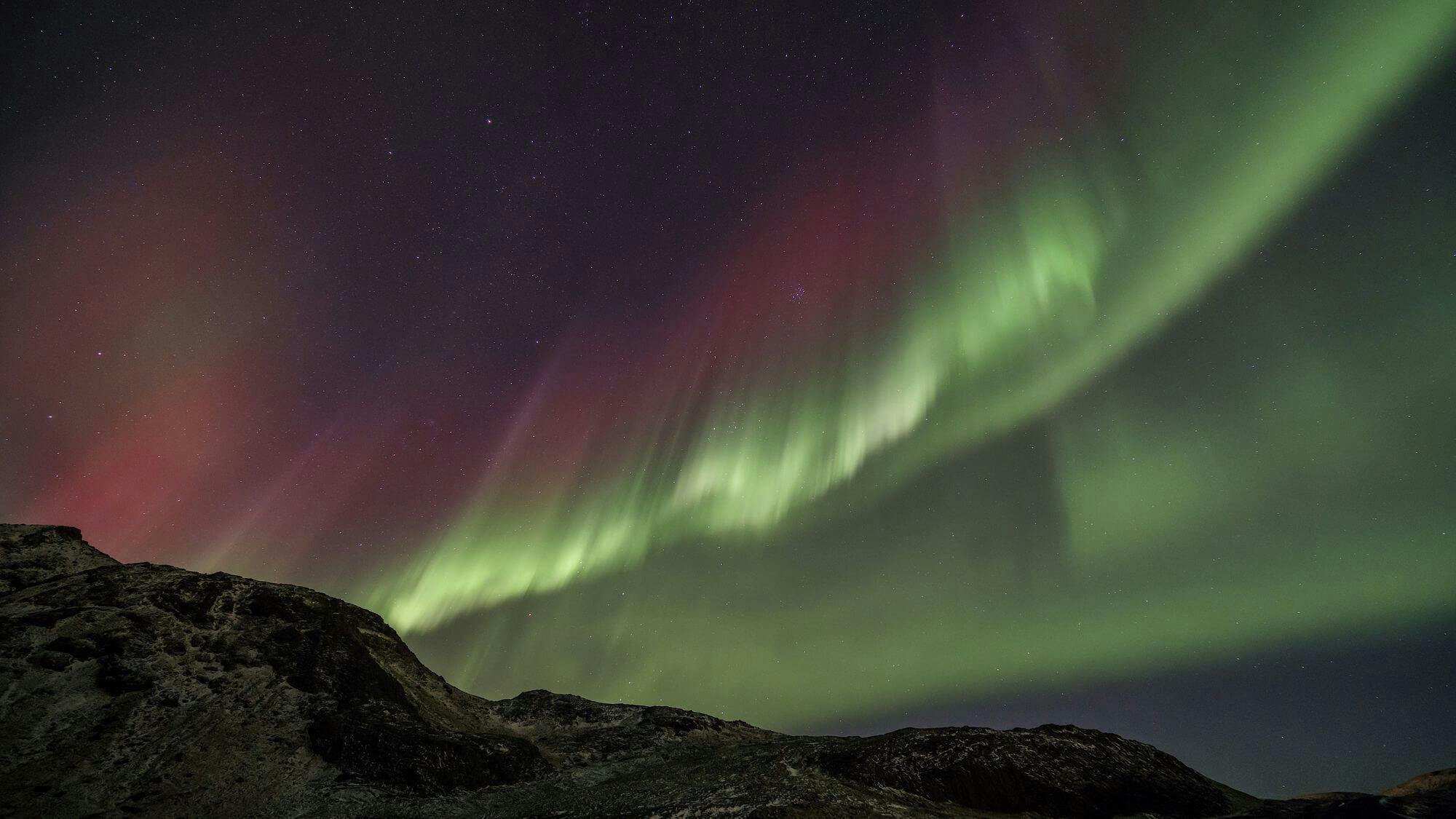
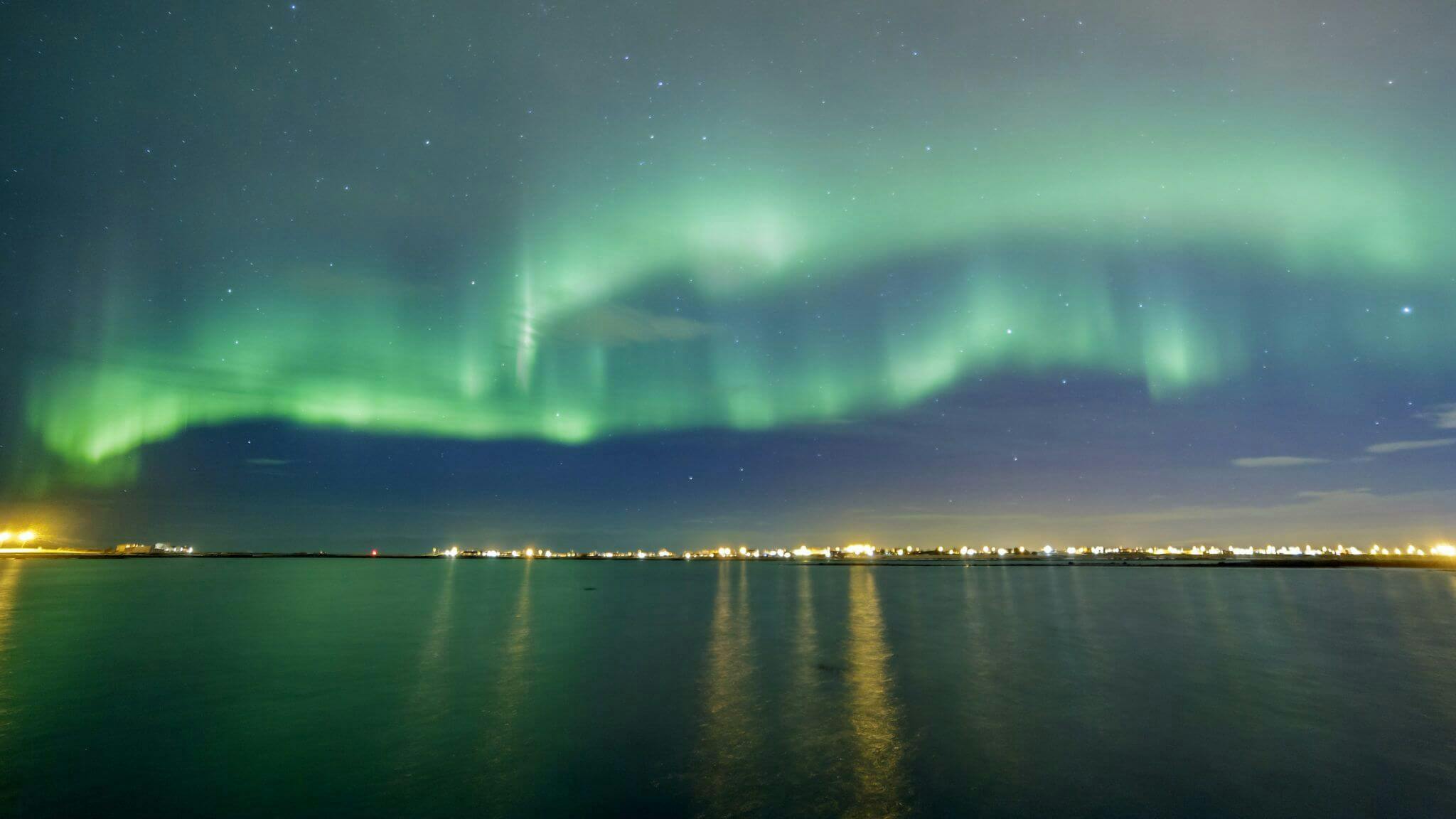
The Sun runs on an 11-year cycle, and it hit its most recent peak - the solar maximum - back in 2024. The good news for aurora hunters is that the couple of years right after the peak are still some of the most active you'll get, so the Northern Lights are still going very strong heading into 2027. Add January's long, dark nights and cold, clear winter skies, and the conditions for catching the aurora can be absolutely incredible.
In these active years, the lights often appear brighter and more energetic than usual - sometimes filling the whole sky with fast-moving waves, colours and shapes. On the right night, it can feel like Iceland's winter sky is putting on a show just for you.
If the Northern Lights are on your bucket list, January 2027 is a fantastic time to visit Iceland.
January is full winter in Iceland, so focus on warm, waterproof layers. With snow, wind, ice and sudden weather changes, good clothing makes all the difference. A proper insulated winter jacket or parka is perfect for the coldest days.
Use the classic Icelandic formula: thermal layer → warm mid-layer → windproof, waterproof shell.
Here’s a simple January packing list:
Insulated winter jacket or parka - ideal for deep-winter cold.
Waterproof outer shell (jacket & pants) - for rain, sleet and snow.
Thermal base layers - wool, fleece or merino.
Warm mid-layer - fleece or a wool sweater.
Winter boots with good grip - sidewalks and trails can be icy.
Ice cleats / microspikes - optional but very useful.
Hat, gloves, scarf - essential.
Swimwear - for hot pools and lagoons.
Local tip: Dress like an onion - add or remove layers as the weather changes. A small daypack makes this easy.
Best Things to Do in Iceland in January
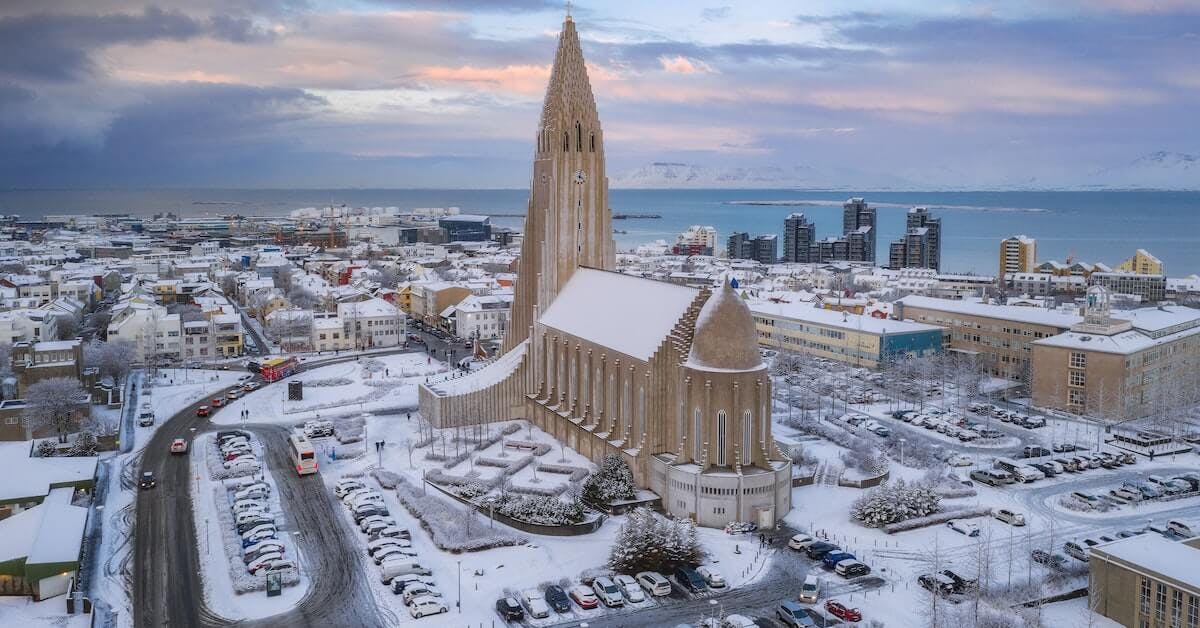
A perfect January trip to Iceland is all about balance - a bit of winter adventure, a bit of culture, and plenty of cosy-warmth. Spend your daylight hours exploring snowy landscapes, frozen waterfalls, and steaming hot springs, then enjoy cozy evenings in Reykjavík’s cafés, restaurants and local pools.
And don’t skip Reykjavík - make sure to spend at least one full day enjoying its food scene, museums and colourful streets.
Here are our favorite things to do in Iceland in January - the perfect mix of adventure, nature and Icelandic flavor:
1. Chase the Northern Lights
January is one of the best months to see the northern lights. The nights are long, the skies are dark, and with the ongoing solar maximum, the auroras can be incredibly bright and active.
You might get lucky and see them from Reykjavík, but your chances improve dramatically once you leave the city and drive into darker areas.
Or join our best Northern Lights tour to maximise your chances of seeing the aurora.
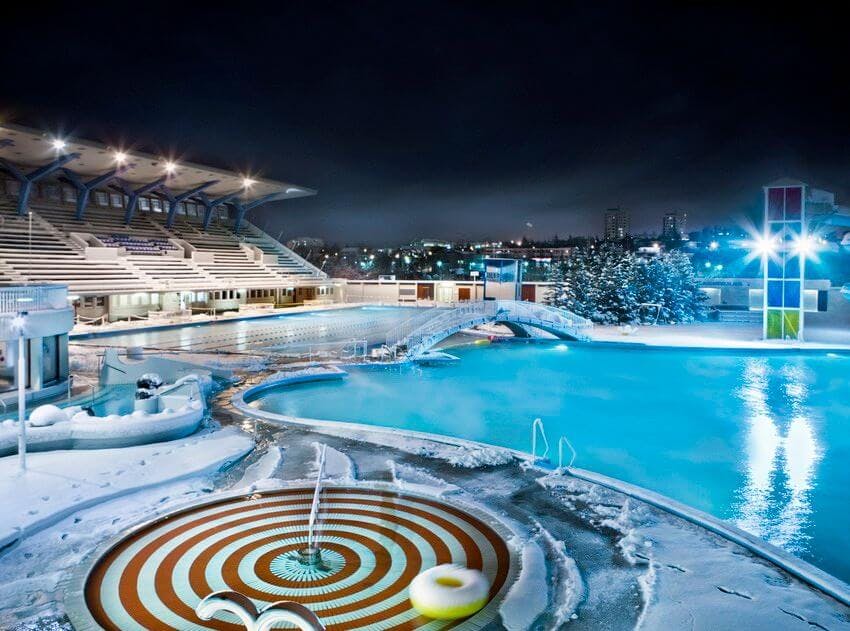
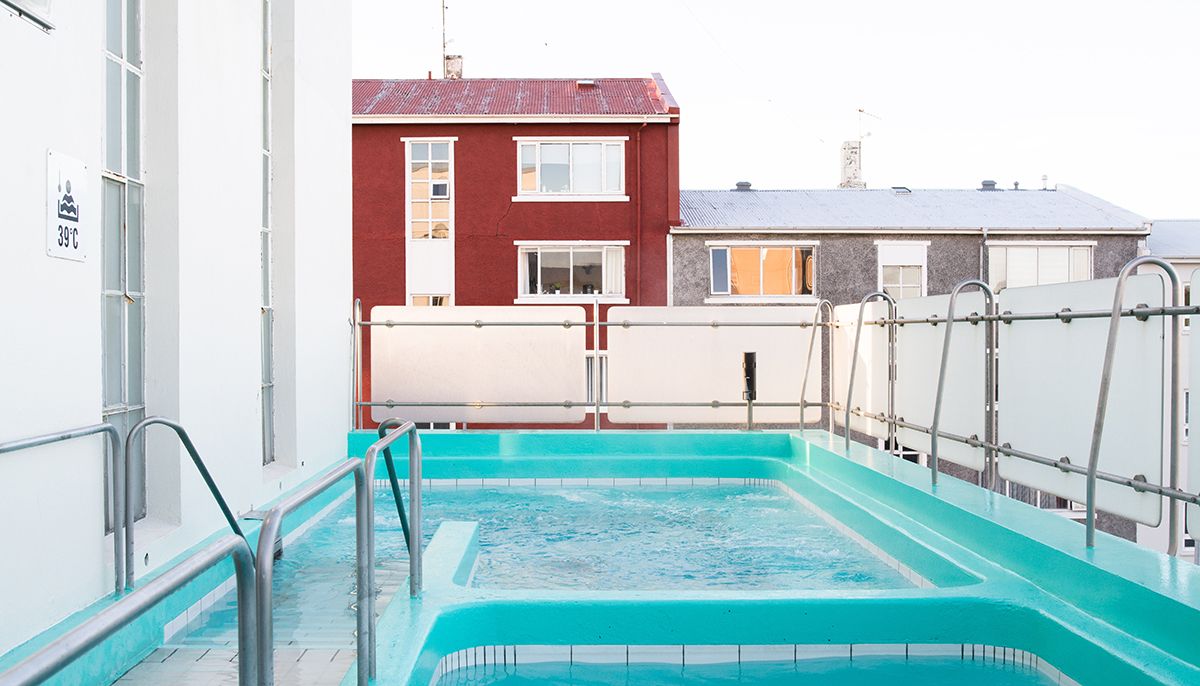
There’s nothing like slipping into a hot spring while snow is falling all around you. Visiting the local pools is a daily ritual for many locals and one of the best things you can do in Iceland during the winter.
Choose from iconic lagoons or charming neighborhood pools:
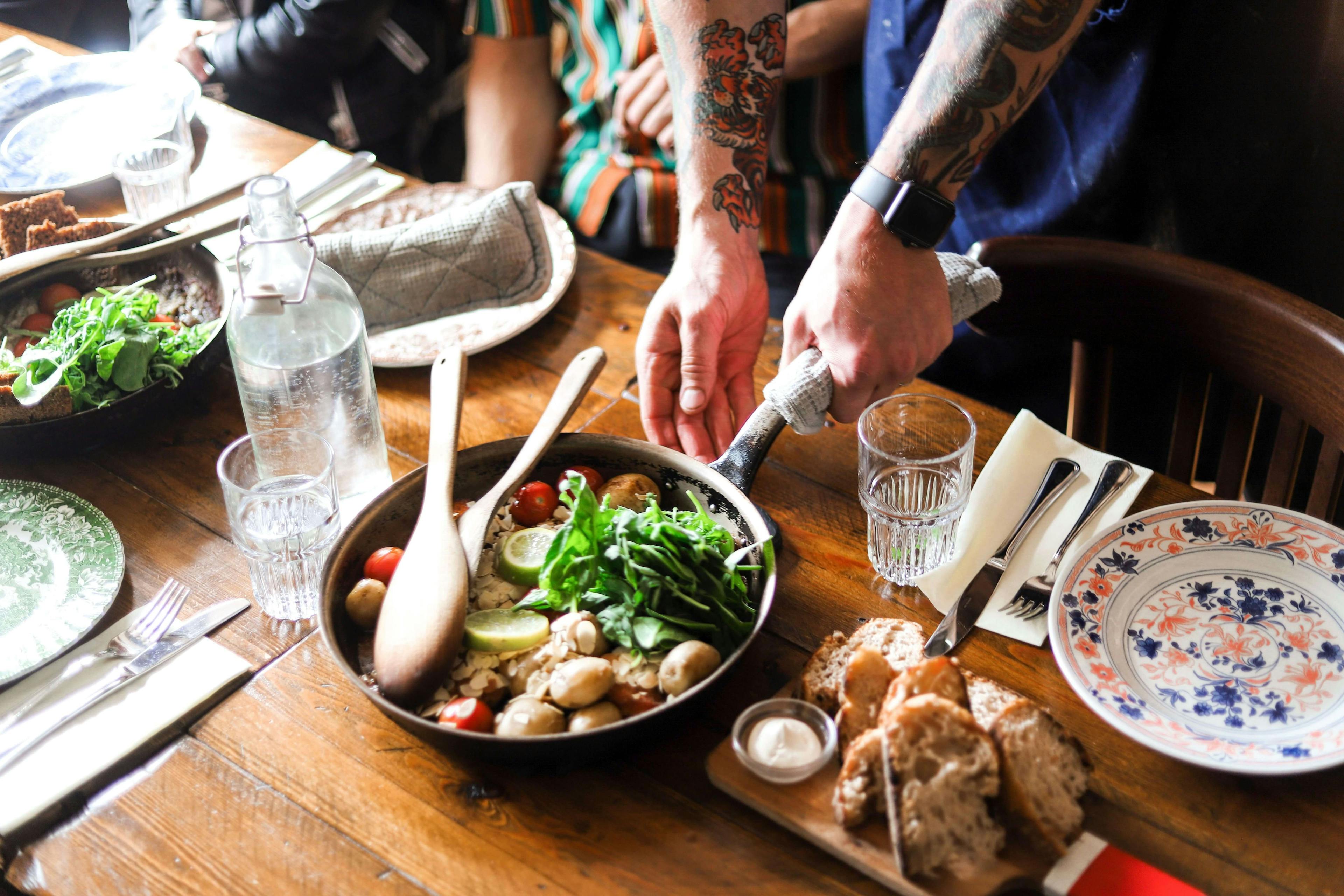
January is peak comfort-food season in Iceland. Think rich lamb soups, fresh fish pans, warm pastries, homemade bread and cozy cafés. Reykjavík’s food scene may be small, but it packs a serious punch - creative, welcoming, and extra delicious in winter.
The best way to experience it? The Reykjavik Food Walk, our signature foodie tour. It’s a fun, personal way to taste Iceland’s best dishes while exploring downtown with a local (and other hungry travellers).
January turns Iceland’s nature into a dramatic winter world - frozen cliffs, snowy plains and sharp icy contrasts. It’s breathtaking. Make sure to leave room in your itinerary for at least one surreal winter sightseeing adventure.
Some of the best January day trips from Reykjavik:
Golden Circle - Þingvellir National Park, Geysir hot spring, Gullfoss waterfall
South Coast - Seljalandsfoss & Skógafoss waterfalls + the black-sand beach
Ice Caves - January is peak season for natural ice cave tours
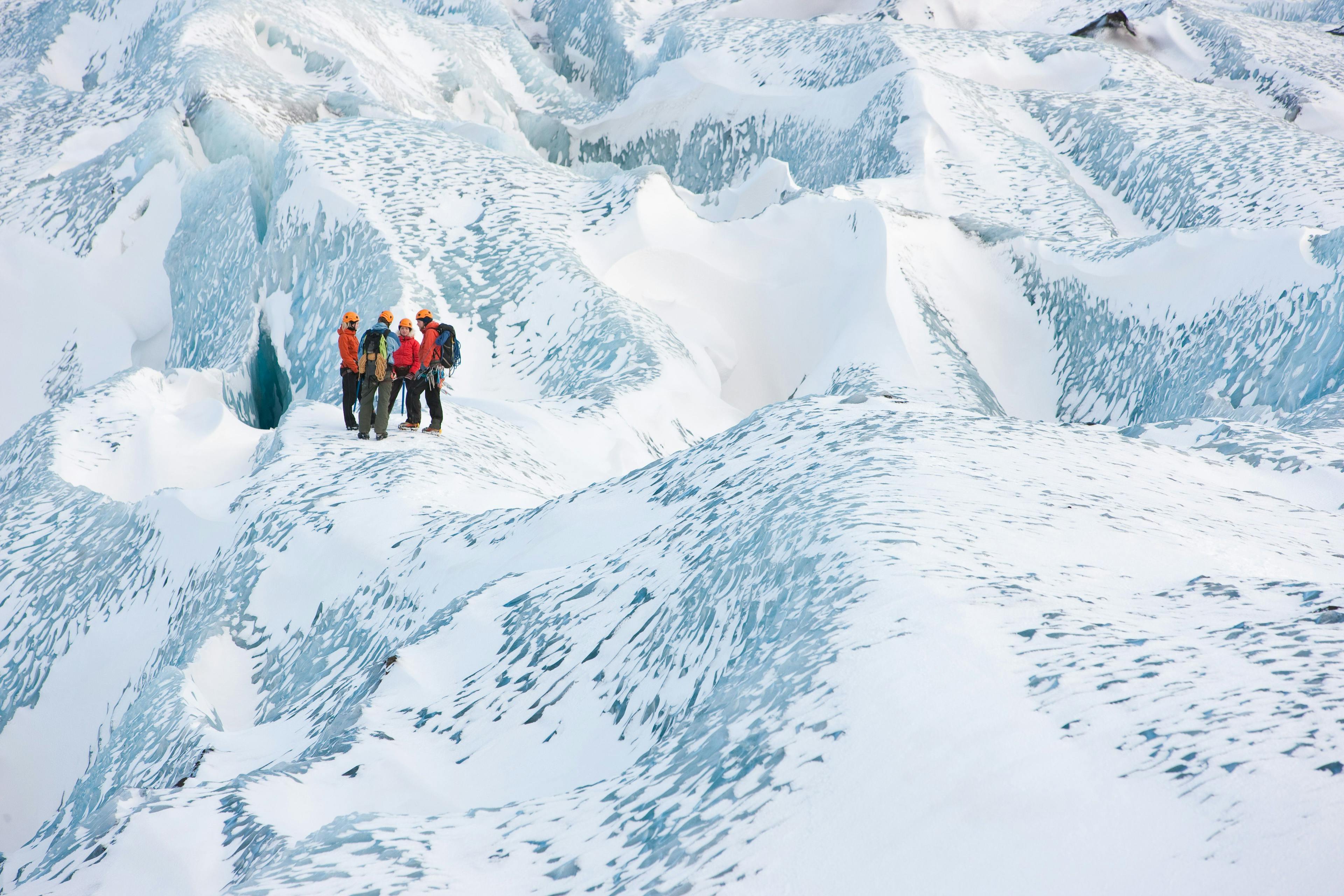
Glacier Hikes - surreal guided adventure on real glacier ice
Snæfellsnes Peninsula - cliffs, lava fields and a glacier-topped volcano
5. Dive Into Reykjavik’s Culture & Quirky Museums
We recommend dedicating at least one full day to the city.
Recipe for a perfect day: Start with breakfast at a local café (see our Best Cafés & Bakeries in Reykjavík), then explore 1–2 museums, join the Reykjavik Food Walk for a delicious mid-day experience that covers both lunch & dinner, and end the day like a true local with a relaxing evening soak at Sundhöllin swimming pool.
Some of my favorite spots in town:
Reykjavik Art Museum - Iceland’s largest art museum, always inspiring
National Gallery of Iceland - beautiful local artworks (+ excellent museum café)
Settlement Exhibition (871±2) - built around a real Viking longhouse from the 10th century, with interactive displays showing how Reykjavik began
Phallological Museum - odd, funny, and very Icelandic
With so many options out there, choosing tours can feel overwhelming. But here’s the good news: at Wake Up Reykjavik, we’ve already done the hard work for you.
We’ve tested, hand-picked and partnered only with the very best local operators - the ones who consistently deliver top-quality experiences and have the rave reviews to prove it.
So if you’re wondering which tours are truly worth your time in Iceland in January, these are our hand-selected recommendations that will make your winter trip unforgettable:
1. Reykjavik Food Walk
Our pride and joy - and for good reason. For over a decade, 150,000+ guests have joined us to discover Reykjavik through its amazing food, stories and hidden local hangouts. It’s not just a tour - it’s a fun, delicious cultural experience.
On this three-hour walking tour, you’ll:
Explore Reykjavik’s highlights with a fun local guide
Taste the very best of Icelandic cuisine: lamb, seafood, pastries, ice cream and a few surprises
Meet fellow travellers from around the world
Get invaluable tips and recommendations to make the rest of your stay even better
January is one of the best months of the year to chase the aurora.
For the best odds, join this Northern Lights tour, which has the highest success rates among the tours we’ve worked with. Expert local guides track real-time weather and aurora forecasts and know exactly where to drive for clear skies.
Prefer something different? Try the Northern Lights Evening Cruise from Reykjavik harbor for a unique and peaceful experience - watching the auroras dance over the North Atlantic is pure magic.
This is Iceland’s highlight reel brought to life - a complete winter adventure packed with waterfalls, glaciers, black-sand beaches and a natural blue ice cave. A true “see it all, do it all” experience.
Day 1:
Seljalandsfoss waterfall, Skógafoss waterfall, the Reynisfjara black-sand beach and endless glacier views.
Day 2:
A guided glacier hike + a visit to a shimmering natural ice cave - one of Iceland’s most surreal and unforgettable experiences.
One hotel night (with breakfast!) is included in a warm, cozy countryside location.
The Golden Circle is Iceland’s most iconic route and a perfect bite-sized day tour from Reykjavik - and it’s absolutely stunning in winter:
Þingvellir National Park - tectonic plates + Viking history
Geysir - a hot spring that erupts naturally every few minutes
Gullfoss Waterfall - powerful and often partly frozen in January
After a day of icy landscapes, warming up in a geothermal lagoon is perfection. That’s why we recommend pairing this tour with either the Sky Lagoon or Blue Lagoon for the ultimate “adventure + relaxation” combination.
If you want the perfect mix of adrenaline, surreal winter landscapes and pure relaxation, this tour is the one.
Begin by heading up to Langjökull, Iceland’s second-largest glacier, where you’ll ride across wide-open snowy plains on your own snowmobile - surrounded by ice, mountains and crisp winter air.
On the way back, stop in the countryside village of Flúðir for a long soak in the Secret Lagoon, a peaceful natural hot spring that feels extra magical in the cold.
This tour is the ultimate “hot and cold” Icelandic experience - unforgettable from start to finish.
Book with confidence. Wake Up Reykjavik tours are small-group, flexible experiences - easy to reschedule if weather disrupts plans, and always led by the best local guides. No big buses. No crowds. Just authentic Icelandic adventures.
These are just a few highlights - check out our All Tours Page to see the full list of 30+ curated experiences available from Reykjavik.
January in Iceland is a quiet, cozy month. Locals slow down, spend time indoors and enjoy the calm of mid-winter. There are not many major public events, but one ancient tradition defines the season:
Þorrablót – Iceland’s Mid-Winter Feast
Þorrablót is a celebration with roots stretching back to the Viking Age. It marks the toughest part of winter and honors the resourcefulness of our ancestors - people who survived the dark, frozen months through creativity, grit and careful food preservation. When nothing grew and nothing could be harvested, they lived on whatever they had managed to store. Þorrablót is a reminder of that resilience.
What happens at a Þorrablót?
Today, Þorrablót is a joyful winter feast held by families and communities. There is storytelling, humor, toasts and plenty of traditional food, all as a playful nod to how Icelanders once survived the season.
Typical Þorri foods include:
smoked lamb, rye bread, dried fish, cured meats and, for the brave, fermented shark, sour ram’s testicles and sheep’s head - all enjoyed with a shot of Brennivín of course.
How travellers can experience it
Most Þorrablót celebrations are private, but visitors can still enjoy the tradition by:
Trying Þorri tasting menus at Reykjavik restaurants (Íslenski Barinn is a great option).
Sampling seasonal Þorri foods in local shops.
Joining the Reykjavik Food Walk, where guides share stories about winter traditions, heritage cooking and Icelandic survival culture.
Driving in Iceland in January
Many travelers ask if it is safe to rent a car and drive in Iceland in January.
The short answer: yes, it is possible and locals do it every day. But winter driving in Iceland requires extra care. Roads can be snowy or icy, visibility can change quickly and some mountain roads may close temporarily due to weather.
If you are confident driving in winter conditions, rent a 4x4 with proper winter tires and always check road.is for road updates and vedur.is for weather alerts before you set off.
If you are unsure or not used to snow and ice, skip the stress and join expert-led tours instead. You will stay safe, see more and enjoy the benefit of local guides who know how to navigate Iceland’s winter conditions.
Fun Facts About Iceland in January
1. January can feel warmer than New York or Chicago
Even though Iceland sits just below the Arctic Circle, the Gulf Stream keeps temperatures surprisingly mild. Many travellers are shocked to learn that Reykjavík in January is often warmer than parts of North America and mainland Europe. Iceland might look like a frozen Arctic outpost, but climate-wise, it is full of surprises.
2. January is one of Iceland’s calmest months for wind
It doesn’t happen every year, but in recent years January has repeatedly recorded some of the lowest average wind speeds of the entire winter. January 2025 even set record lows at several weather stations across the country. When the wind calms down, the cold feels crisp rather than harsh and the winter landscape becomes unbelievably peaceful.
3. Icelanders plunge into the sea in January… for fun
Cold-water dipping has become a massive trend in Iceland in recent years, even in mid-winter. Groups of locals meet at Nauthólsvík geothermal beach in Reykjavik for icy ocean swims followed by a steaming hot tub. If you’re feeling adventurous, join in - it’s cold, energizing and a very Icelandic way to start the day. Just promise us to be careful.
Local Secrets (Because You Read This Far)
Since you made it all the way down here, here are a few personal Reykjavik tips you will not find in every guide:
Coziest local café:Kaktus Espresso Bar on Vitastigur. Warm lights, great pastries, the best coffee in town (if you ask me) and real local vibes. Maybe I’ll see you there.
New bakery worth the hype:280 Bakery opened in 2025 immediately set the tone to be the best bakery in town. The Wake Up Reykjavik team has done a lot of “testing”, and we can safely recommend it.
A true local ritual: Our swimming pools are a big part of Icelandic life. Sundhöllin, the original downtown pool from 1937, has classic Reykjavik charm and some of the best hot tubs in the city. It is perfect any time of day and one of the best things to do in Reykjavik with kids. Pack swimsuits and I’ll see you there!
Final Thoughts on Visiting Iceland in January
January is one of the most beautiful and underrated times to visit Iceland. Expect snowy landscapes, calm days, northern lights and a wonderfully cozy Reykjavik.
If you want to experience the city like a local, start with the Reykjavik Food Walk. It is the highest-rated experience in Iceland for a reason, and the perfect way to begin your trip with great food, new friends and the best insider tips for the rest of your stay.
See you soon - and we hope you’ll have a wonderful stay in Iceland!
Written by Egill Fannar – Co-Founder of Wake Up Reykjavik
Proudly born in Akureyri but a local in downtown Reykjavík, Egill has spent over a decade helping travelers experience Iceland like locals - from cozy cafés & restaurants to hot pools and hidden adventures across the highlands.
Frequently Asked Questions
How cold is Iceland in January?
Reykjavik averages around 0 to 1°C (32 to 34°F). Most days sit between minus 10 and plus 5°C. It is peak winter, but milder than many visitors expect thanks to the Gulf Stream. Wind chill often makes the biggest difference so dress accordingly.
Can you see the Northern Lights in January?
Yes. January is one of the best months of the year for Northern Lights thanks to long dark nights and the current solar maximum cycle, which increases aurora activity.
Does it snow a lot in Iceland in January?
Snow is very common in January and it often stays on the ground for long stretches. In January 2025, Reykjavík had 19 days with full snow cover. Expect snowy landscapes, icy paths and beautiful winter scenery.
How many daylight hours are there in January?
Early January has about 4.5 hours of daylight. But by the end of the month there are just over 7 hours. Days get noticeably brighter every week. Snow makes it seem much brighter.
Is it safe to drive in Iceland in January?
Yes, it is possible but requires caution. Roads can be snowy or icy and visibility can change quickly. Confident winter drivers should rent a 4x4 and check road.is and vedur.is daily. Others are better off joining guided tours.
What should I pack for Iceland in January?
Warm, waterproof layers are essential. Bring a parka or insulated jacket, thermal layers, waterproof pants, winter boots with grip, hat, gloves, scarf and swimwear. Ice cleats are optional but smart to reduce the chances of falling.
Are major attractions open in January?
Yes, everything stays open throughout winter. The Golden Circle, South Coast, Blue Lagoon, Sky Lagoon, ice caves and most museums operate normally. Some highland areas and remote mountain roads are impassable for winter.
Can I visit ice caves in January?
January is peak season for natural ice caves. Tours operate daily on the south coast and in Vatnajökull. Always visit with a certified glacier guide.
Is Reykjavik active in January or is everything closed?
Reykjavik stays lively all winter. Cafés, restaurants, bars, pools, museums and shops are fully open. It is a cozy, relaxed time of year with fewer tourists.
Is January a good month to visit Iceland?
Yes. January offers beautiful winter scenery, great Northern Lights conditions, fewer crowds, fair prices and a cozy atmosphere in Reykjavik. It is cold but magical.
How bad is the wind in Iceland in January?
Wind varies by year, but January often has calmer conditions compared to other winter months. That said, strong gusts can still occur, especially outside Reykjavik. Always check the wind forecast on vedur.is before long drives or outdoor activities.
Can I see wildlife in Iceland in January?
Yes. You may spot Icelandic horses in the countryside, and large groups of seabirds along the coast. Whale watching tours operate year round and sightings are common in winter. Arctic foxes can be seen in very remote areas and reindeers that roam freely in the East fjords of Iceland tend to come down from the highlands during winter. Puffins are not in Iceland in January.
Are restaurants and shops open in January?
Absolutely. Reykjavik stays fully open throughout winter. Restaurants, cafés, bakeries and shops run normal hours. Reservations are recommended for popular places, even in January.
Is January a good month for the Blue Lagoon and Sky Lagoon?
Yes. Winter is one of the best times to visit geothermal lagoons. The contrast between freezing air and warm mineral water feels incredible, and the steam-filled atmosphere is especially beautiful at sunset or after dark.
Will tours be cancelled because of weather?
It can happen, especially with wind-sensitive tours like snowmobiling, glacier tours or boat trips. If a tour cancels, reputable operators offer easy rescheduling or refunds. Booking early in your trip gives you more flexibility if weather changes. Special note: The Reykjavik Food Walk is always on schedule and is never cancelled because of weather.