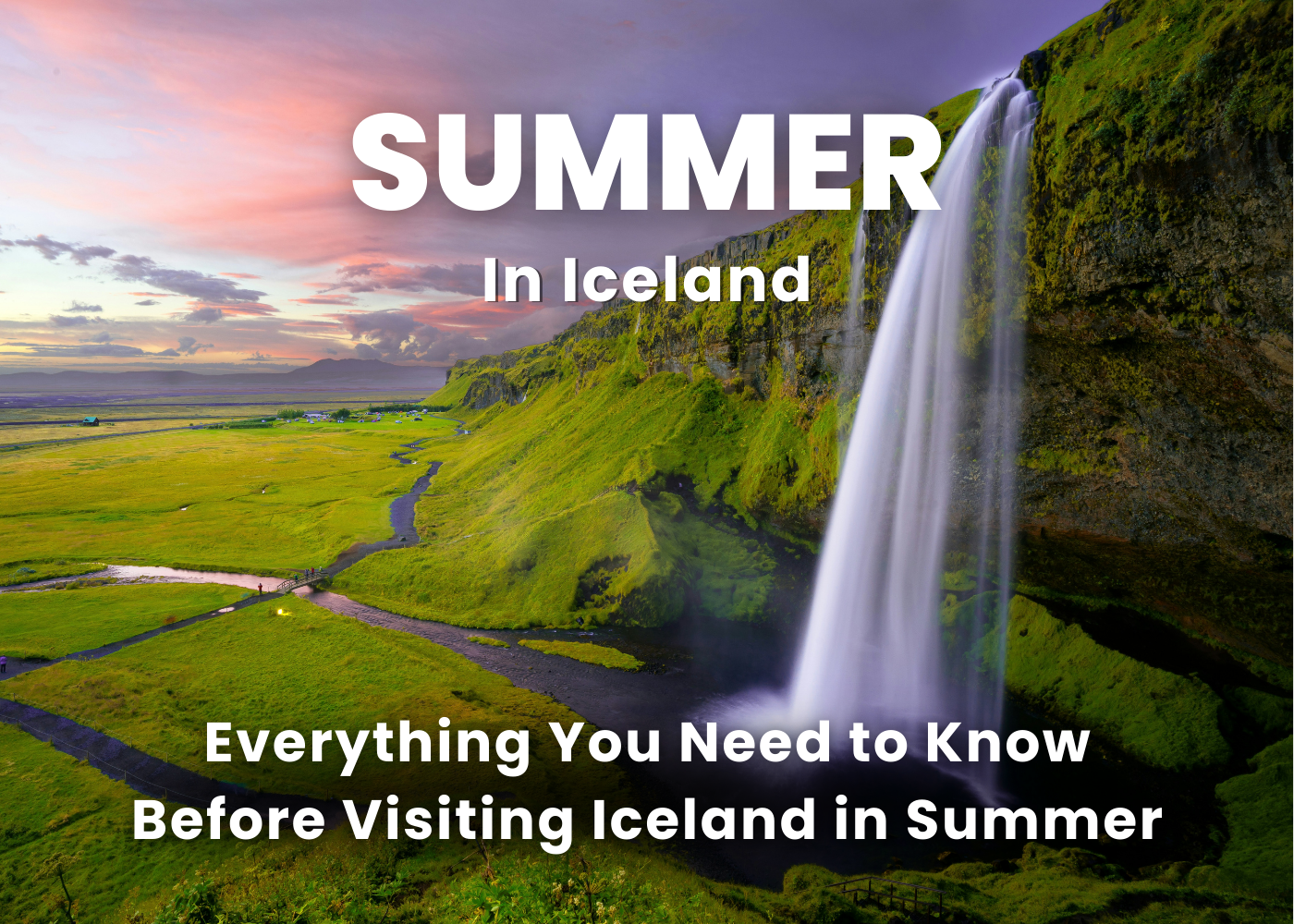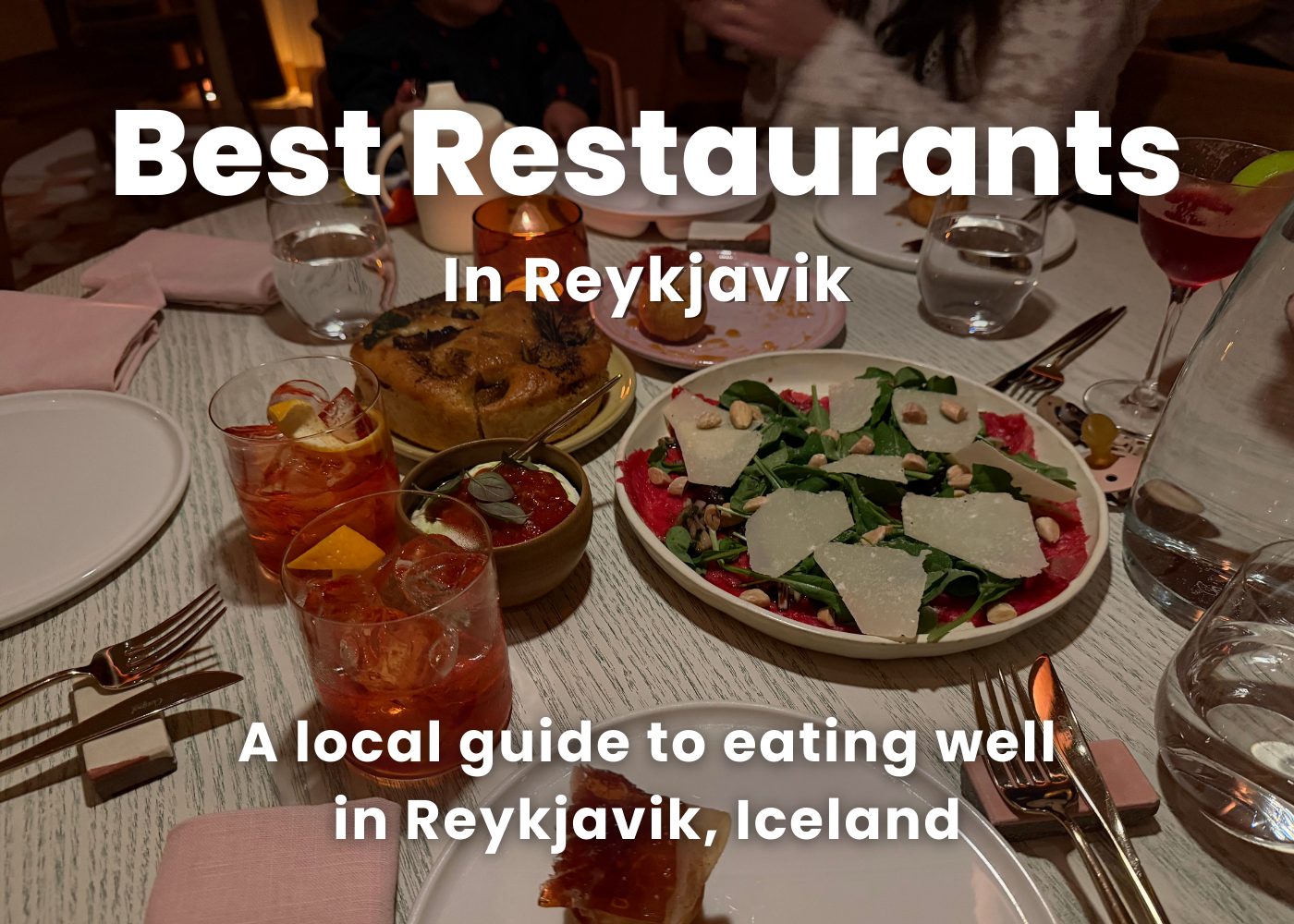

A Local Guide to Visiting Iceland in April 2027
Why visit Iceland in April? Because April is a transition month between summer and winter, offering the best of both seasons.
Temperatures are getting warmer and days longer, making outdoor adventures to lava fields, floating icebergs, and stunning waterfalls more pleasant.
In addition, April is ideal for those seeking a more authentic experience, thanks to its many festivities and events. This month is still far from peak season, so you won't find massive crowds of tourists.
Below, you will find everything you need to know if you’re planning to visit Iceland in April, including weather information, some of the best things to do in this month, insights on driving conditions, and a few hidden gems worth checking out.
Without further ado, let’s get down to business.

Plan your Trip: Best Day Tours from Reykjavik in April
Weather in Iceland in April
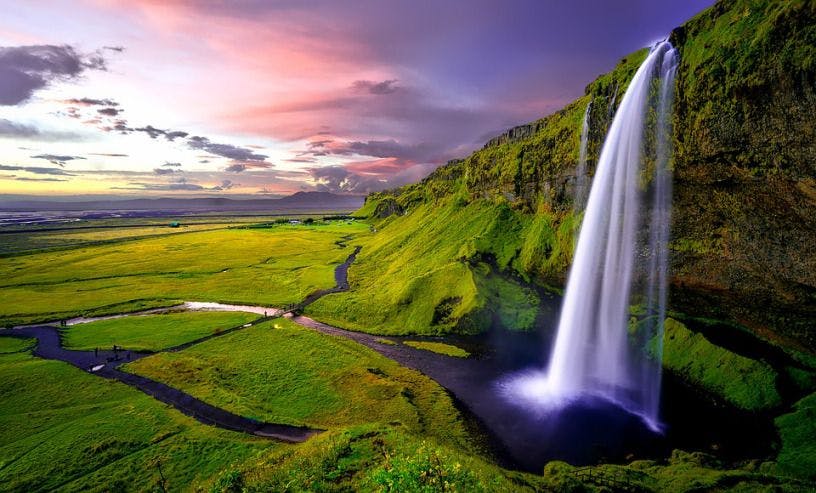
April is the first full month of spring in Iceland. In the old Icelandic Calendar, it even marked the beginning of summer, meaning warming temperatures and longer days.
Travelers should expect temperatures ranging from just above freezing levels to 7℃ (44.6℉) on most days, with average temperatures around 3.7℃ (38.7℉).
Unlike March, snow is uncommon, yet precipitation is frequent, with about 12 days of rain throughout the month.
Local reality: In April, visitors can finally enjoy a variety of outdoor activities without worrying about an upcoming snowstorm. While travelers may experience a few rainy days, Iceland offers plenty of indoor activities, from museums to unique events held in April. A flexible schedule is key to a great trip.
Daylight in April

In April, Icelanders can finally welcome the sun back, as the month averages 165 hours of sunshine. In this period, days start to get longer, allowing travelers to enjoy outdoor excursions without worrying about the dark.
Here is what daylight looks like in Reykjavik during April:
April 1st:
- Sunrise: 06:45
- Sunset: 20:19
- Total daylight: 13:33
April 30th:
- Sunrise: 05:03
- Sunset: 21:48
- Total daylight: 16 hours 45 minutes
Early sunrises make it easier for visitors to feel awake, helping them get out of bed at 6:00 a.m. or earlier if needed. But what about the night? Is it dark enough to see the northern lights?
Can You See the Northern Lights in Iceland in April?
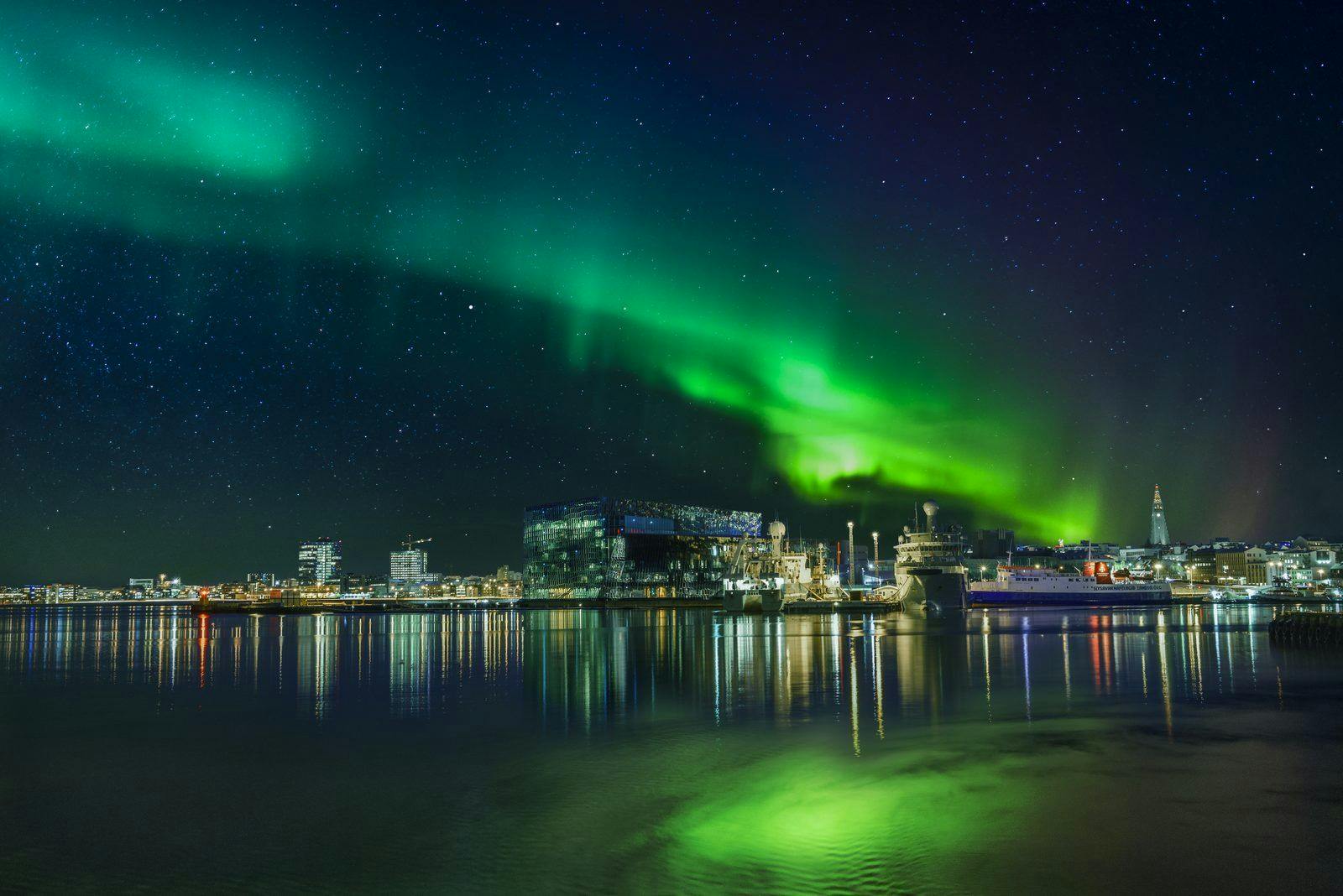
Yes, you can! But if this is one of the main reasons you're travelling to Iceland, you'll want to book that plane ticket sooner rather than later. April is usually the last month the Northern Lights are visible before they take a long break from the sky, fading into the bright nights of summer until they return at the end of August.
There's good news on timing, too: the Sun follows a natural 11-year cycle, and it reached its most recent peak - the solar maximum - in 2024. The years right after a peak are still some of the most active for aurora storms, so 2027 remains a strong year for catching and photographing the Northern Lights. Ideally, schedule your trip for the first half of the month and get away from the city lights.
It’s also crucial to note that observing this phenomenon is not guaranteed, as many factors, such as light pollution, cloud cover, and solar (electromagnetic) activity, play a role. If you want to increase your chances of taking the perfect photo of the northern lights, you can join a small-group Northern Lights tour. If, however, you prefer to chase them on your own, check out our full Northern Lights in Iceland Guide to maximize your chances.
What to Pack for Iceland in April

April packing is classic Icelandic shoulder-season logic: layers and waterproofs matter more than anything else.
Use the layering system: thermal base layer → warm mid-layer → windproof and waterproof outer shell.
Here is a simple April packing list:
- Warm insulated jacket or a water-resistant parka
- Waterproof jacket, pants, and shoes
- Thermal base layers (wool or merino)
- Warm mid-layer (fleece or wool sweater)
- Waterproof boots with a good grip
- Hat, scarf, and gloves (those without fingers will keep you warmer)
- Swim suit and flip flops for pools and thermal waters
- One casual outfit (Not necessary, but good for nights out)
- Sunglasses (even though it may be chilly, the sun is always strong in Iceland!)
Local tip: Don’t forget to bring a small backpack for your excursions so you can adjust your layers as you sweat on your hiking trip.
Best Things to do in Reykjavik in April
The perfect April trip includes activities to learn about the local culture, such as joining a food tour or visiting a local museum.
You should also make the most of the longer days with a few excursions to see Iceland's most iconic landscapes, ranging from floating icebergs to black sand beaches. Don’t forget to visit the local hot spring to wind down after long days spent exploring Icelandic nature.
1. Take Your Best Photo Of The Northern Lights
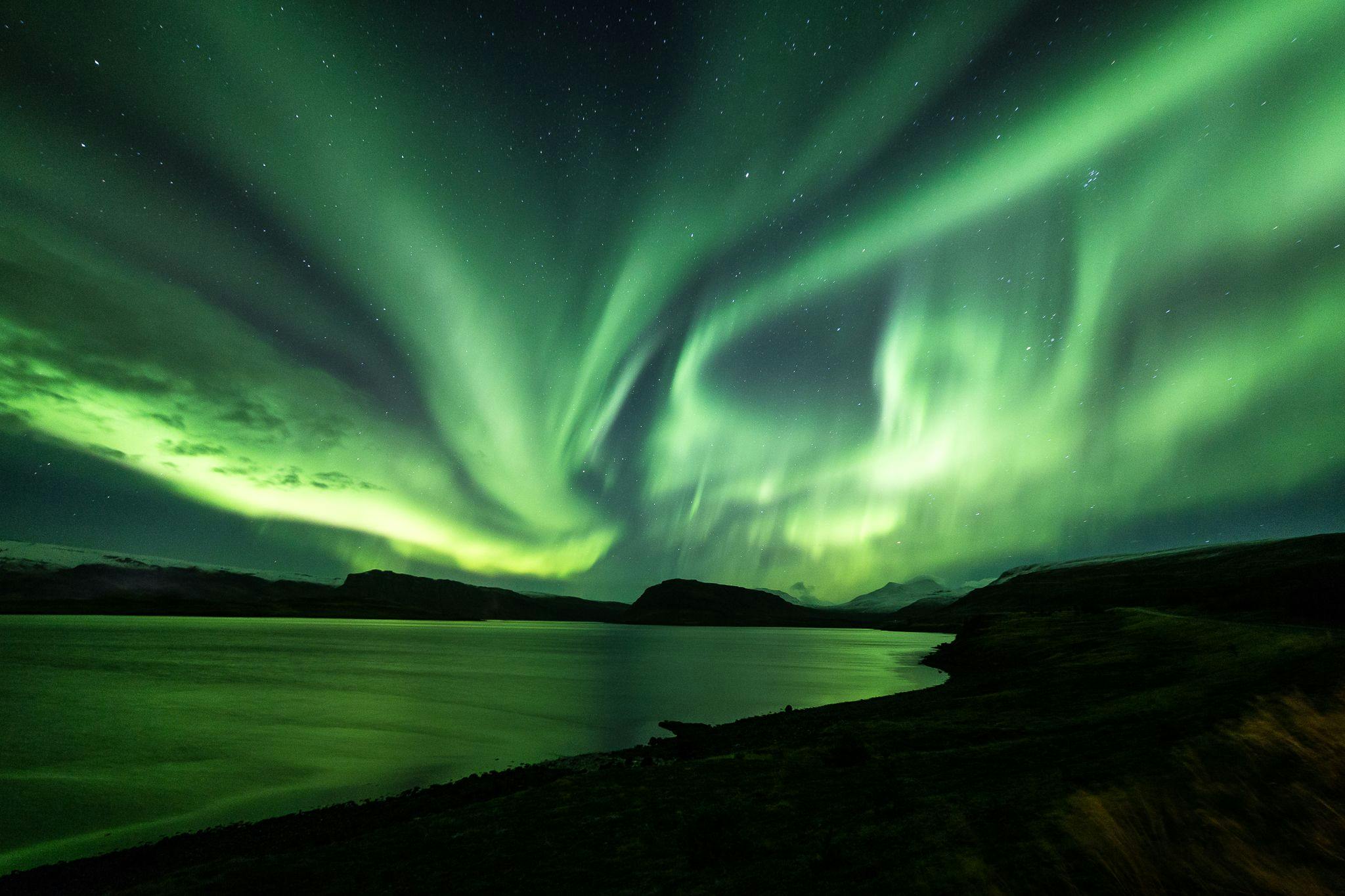
If your main goal in Iceland is aurora hunting, make sure to plan a few evenings outdoors with your nose pointed at the night sky. Joining a local guided tour can increase your chances of taking a great picture and make your experience significantly more enjoyable.
We recommend this Northern Lights Tour, as it offers as many retries as you need. You will also be offered hot chocolate and Kleina pastries while waiting for the aurora under a cozy wool blanket.
2. Try Traditional Icelandic Food

While Iceland may not be as renowned as Italy or France for its cuisine, our country is home to a variety of unique dishes and some amazing flavors. From lamb, whale and wild reindeer to hákarl (fermented shark), the options are endless.
We highly recommend the Reykjavík Food Tour. True foodies can’t miss it, as this is not only Iceland's top-rated tour but also the number one food tour in the world! You will get the chance to sample eight different dishes, including legendary street food and the classics of Icelandic cuisine. The tour also offers options for those with gluten and lactose intolerances, as well as vegetarians.
If you are visiting Iceland during Páskar (Easter), make sure to try local paskaegg (local chocolate eggs) and lamb. Don’t forget to ask for the seasonal Easter beers, as most breweries often brew special beers for popular festivities.
Book Now: The Reykjavik Food Walk
Learn More: What to Eat in Iceland - Top 10 traditional Icelandic Foods
3. Wind Down In Iceland's Hot Springs

As in most Nordic countries, geothermal bathing is a favorite pastime among locals. Luckily, Iceland is home to a variety of natural hot springs as well as “spa-like’ experiences.
Here are a few amazing spots worth checking out:
- Hvammsvík hot spring (a hidden gem perfect for those who want to escape huge crowds)
- Reykjadalur Hot Spring (accessible after a 30-60 min hike)
- Hrunalaug Hot Spring (perfect for a group of friends as it can fit up to 8 people)
- Blue Lagoon (the most visited hot spring in the country)
If you’re interested in swimming pools, you can check this link for a full list of all public swimming pools in Reykjavík.
4. Reykjavik’s Unique Museums

Whether you’re interested in the history of Iceland, exploring local art, or visiting one of the quirkiest museums in the world - here are a few great indoor activities you should check out in Reykjavik:
- The National Museum of Iceland (the perfect place to learn about local culture and history)
- The Viking World (a must-visit for all fantasy fans and history enthusiasts)
- Whales of Iceland (the most prominent museum dedicated to whales in Europe)
- The Phallological Museum (home to 200 penises or penis parts belonging to Icelandic animals)
- National Gallery of Iceland (perfect for art lovers)
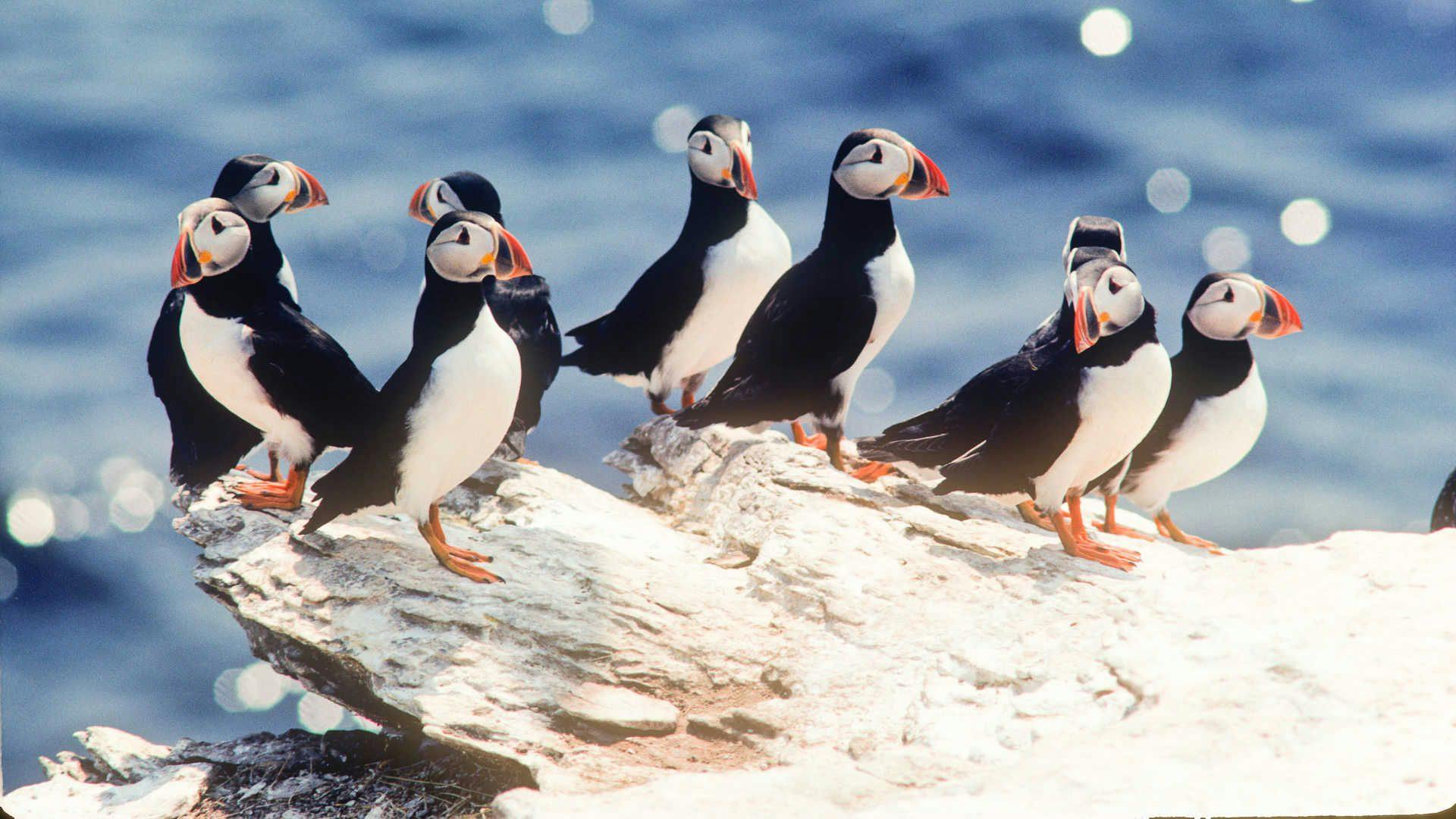
5. Try To Spot Iceland’s Cutest Residents: the Puffins!
If you’re planning your trip in late April, you may be able to see Iceland’s most beloved residents: the Puffins.
These adorable birds usually arrive in Iceland in late April and stay all summer, until August. They are commonly found on the Westman Islands, in the West fjords and on Dyrhólaey Peninsula. But not many people know you can also get up-close to the cute birds on a short RIB boat tour from the centre of Reykjavik.
This RIB Boat Puffin Adventure is a fantastic one-hour experience that takes you out to the island surrounding Reykjavik where puffins nest. Take fantastic photos, learn about these incredible animals, and simply relax while enjoying a scenic RIB boat trip on the Atlantic Ocean.
Best Tours to do from Reykjavik in April
While Iceland is relatively small, it offers so much that creating the perfect itinerary can sometimes feel overwhelming. If you don’t like planning, or if you want to learn the secrets of our country from an expert local guide and see all its hidden gems, a guided tour can be a great option.
At Wake Up Reykjavík, we partner with the absolute best local operators that we fully trust and recommend to our own friends and family. Below are a few options that are perfect for an Iceland trip in April.
1. The Reykjavik Food Walk

The Reykjavik Food Walk is an authentic small-group experience taking place in the centre of Reykjavik. With 18,000+ five-star reviews, you can’t go wrong with it.
The tour lasts three hours and will take you to five top local restaurants to taste eight distinctive dishes of Icelandic cuisine. Try to schedule this experience on your very first day in Iceland, as you will likely want to return to some of these restaurants.
This is not only a great way to explore Iceland’s culinary traditions but also to have plenty of fun and gain unique insights into our culture, as your guide will share plenty of anecdotes throughout the tour.
2. RIB Boat Whale Watching Adventure
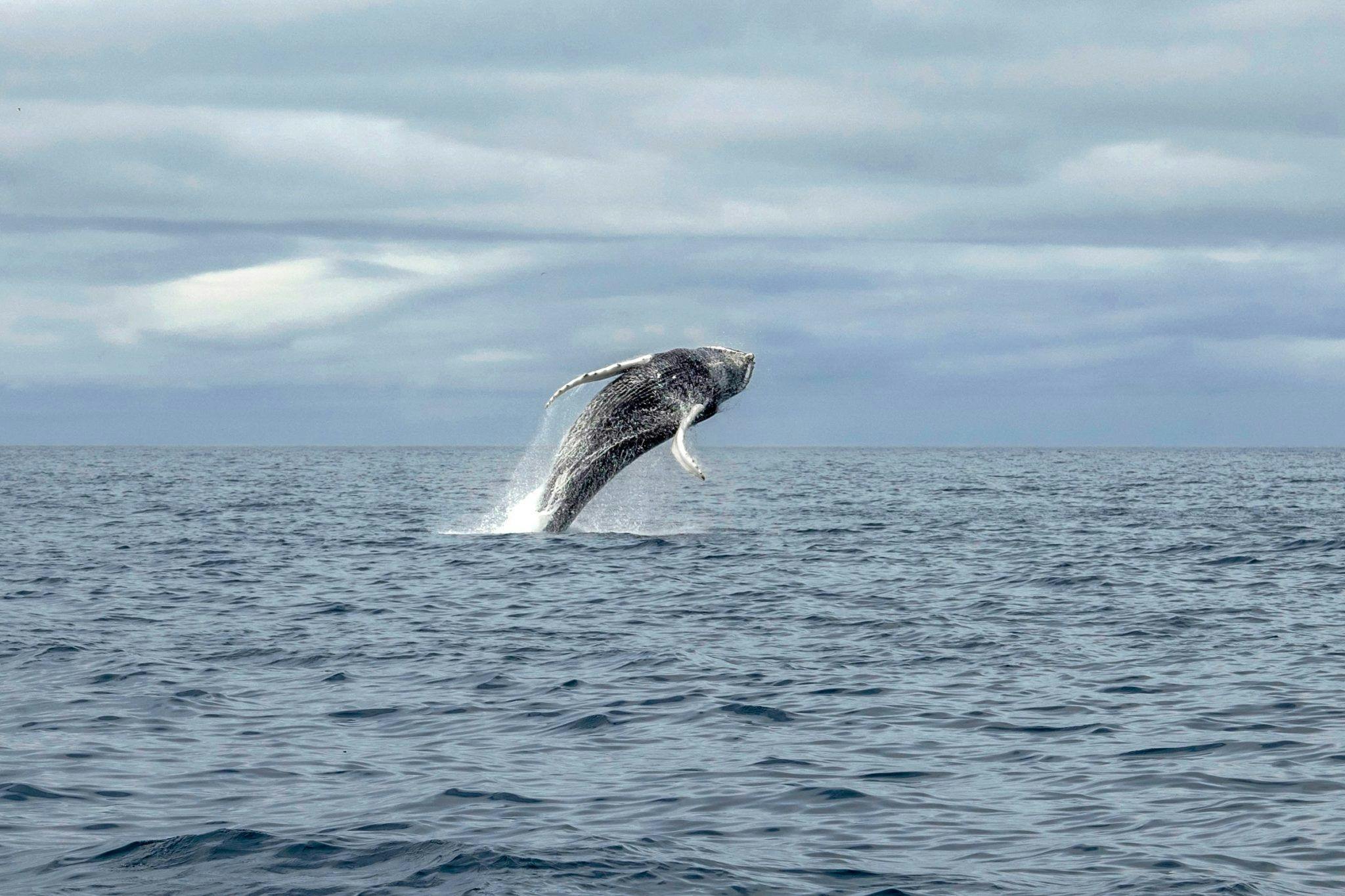
If you’re an animal lover, you cannot miss the chance to see one of the world's largest mammals. The RIB Boat Whale Watching Adventure allows you to get close to whales without disturbing them.
Tours are about two hours long, and we keep our groups small (maximum 12 people) for a more authentic experience. RIP boats are perfect for these tours because they are faster than classic whale-watching boats, cover a larger search area, and allow guests to get even closer to wildlife.
Along the way, you may also spot other animals, including puffins and dolphins.
3. Small Group Golden Circle & Friðheimar Farm
This tour is perfect for nature lovers and those who want to experience the complete highlights of Icelandic nature in one day.
You will be able to see the exact spot where the Eurasia and North American tectonic plates meet, witness erupting geysers, amazing waterfalls - and stop at a tomato greenhouse operating on geothermal energy, where you will can try the best tomato soup in Iceland and have unique tomato beer.
Highlights include visits to:
- Gullfoss (the golden waterfall)
- Thingvellir National Park
- Geysir Erupting Geothermal Area
- Kerið Volcanic Crater
- Friðheimar Icelandic Tomato Farm
4. 2-Day Ice Cave, South Coast & Glacier Lagoon

This unforgettable 2-day tour is for those who truly want to see it all and do it all. Staying overnight allows you to venture even further and experience the most iconic spots but also hidden gems all along the South Coast. Here is a quick summary of what to expect:
Day one is all about waterfalls. You will explore a waterfall hidden inside a cave, and walk behind the curtain of water of Seljalandsfoss Waterfall. We will then visit Skogafoss, one of Iceland's most iconic waterfalls featured in "Game of Thrones" and several Hollywood blockbusters. And much more.
Day two is all about Ice caves, floating icebergs, and hiking glaciers. The main highlight of the day is the Blue Ice Cave exploration. You’ll have the chance to descend into an enchanted blue ice world, as ice sculptures and formations reflect the dim light all around you.
April is the last month to witness this unique natural spectacle before summer arrives.
Throughout the day, we will also stop at other local attractions, including the famous Jökulsárlón Glacier Lagoon, where icebergs drift slowly out to sea.
5. South Coast Adventure Tour
If you want to see the best highlights of Iceland but only have one day in the country, the South Coast Adventure Tour is another of your best option. Stop at the most famous waterfalls in Iceland, walk on an enchanting black sand beach created by volcanic activity thousands of years ago, get up close to a glacier, and see a small coastal town with only 300 inhabitants.
Tour highlights:
- Seljalandsfoss waterfall
- Skógafoss waterfall
- Reynisfjara Black Sand Beach
- Gljúfrabúi Secret Waterfall
- Sólheimajökull Glacier
- Coastal town of Vík
6. Glacier Snowmobiling Tour
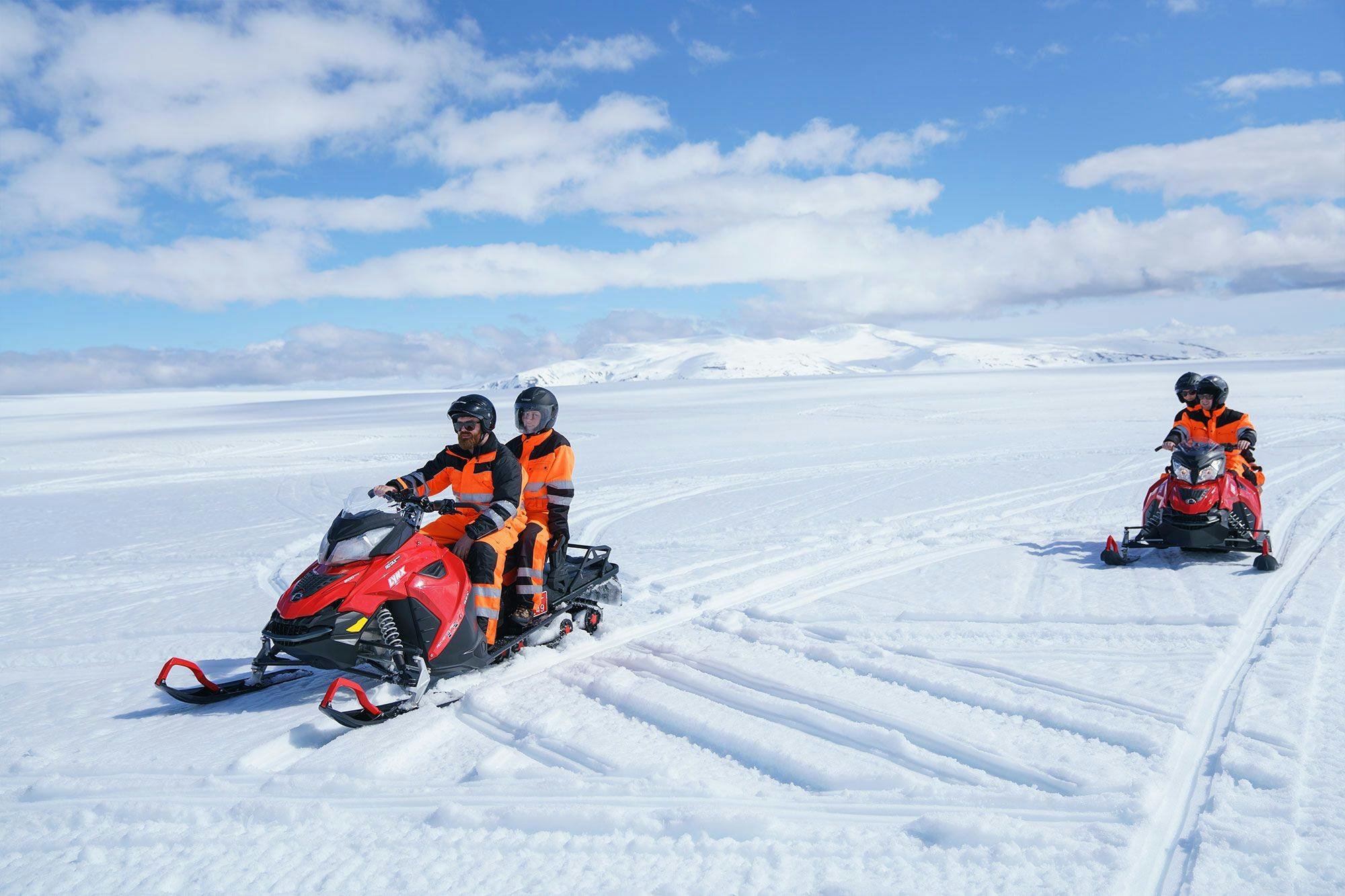
If you’re an adrenaline junkie (or like to chase real adventures), we recommend booking this Glacier Snowmobiling Tour. Start your day on a 4x4 Super Jeep truck taking you to Europe’s second-largest glacier, Langjökull, to then drive your very own snowmobile on a huge glacier, as ice stretches in all directions towards the horizon.
Events & Festivals in Iceland in April 2027

April features a variety of festivities that allow visitors to learn about Icelandic traditions. In addition, this year, there will be a few festivals and events worth checking out.
April Fool's Day
April Fool's Day (April 1st) is wildly celebrated in Iceland and taken very seriously by people, businesses and media outlets. Here, people go that extra mile for their pranks, as these are only considered successful if they convince people to go somewhere.
So, if you’re visiting Iceland on April Fool's Day, be extra skeptical of everyone trying to lure you somewhere!
First Day Of Summer
Yes, in the northern hemisphere, the first day of summer is on June 21, but not in Iceland! In our country, this festivity is celebrated between April 19 and 25. In 2026, this celebration falls on the 22nd of April. So what is this all about?
The First Day of Summer is an old festivity marking the beginning of the first summer month according to the old Icelandic Calendar. This has only two seasons: winter, characterized by short days, and summer, with long days.
The first day of summer officially marks the beginning of the long-day season, and is celebrated with parades and organized entertainment throughout Reykjavík. Icelanders love this day so much that they made it a national holiday. People stay home from work and spend the day outdoors with relatives and friends, soaking up as much sun as possible.
Iceland Writers Retreat
Did you know that Reykjavík is a UNESCO City of Literature? If you love writing, plan your visit between April 14 and 18 to attend the Iceland Writers Retreat.
Some of the highlights include:
- Writing workshops for all levels, led by world-renowned writers
- Panels featuring Icelandic authors
- Literary tours of Iceland's inspiring nature and Reykjavík
- Tons of readings, music, and food
Driving in Iceland in April

Driving in Iceland in April is definitely possible; However, people are urged to exercise caution. While most of the snow is gone on the main roads, especially later in the month, secondary roads may still be closed or covered in ice.
In general, the main Ring Road tends to be open, especially in the south and east. Roads in the North and East Fjords, however, may not be accessible, so plan your trip accordingly.
Ideally, you want to rent a 4x4 vehicle with winter tires. The weather may change quickly, so make sure to check road.is and vedur.is regularly for the most up-to-date information on roads and weather.
If you’re uncomfortable driving in these conditions, remember that there are plenty of tours that take you to Iceland’s most iconic spots and hidden gems.
Local Secrets (Because You Read This Far!)

If you’ve managed to reach this paragraph, you deserve a prize! Here are some hidden gems approved by Wake Up Reykjavik team, that you may want to add to your list.
Omnom and 280 Bakery
A must-visit for Easter, Omnom is a local chocolate shop renowned nationwide for its high quality products. It offers delicious chocolate and ice cream with a variety of toppings, creams, and sauces, all made in-house. Alternatively, head to 280 Bakery, the hottest bakery in town, perfect for a little treat and a coffee after a long day of exploration.
Arbaer Open Air Museum
The Arbaer Open Air Museum is the perfect place to step back in time and learn more about local culture and how people lived in Iceland centuries ago. Most of the historical buildings here were located in Reykjavík’s city centre in the 19th and 20th centuries.
This open-air museum is built like a real Icelandic town and features a square, a village, and a countryside section. You will also get the chance to spot the museum staff dressed in attire from past centuries for a full-immersion experience.
Harpa Concert Hall
If you love music, check out the Harpa Theatre. This April, Harpa will host a variety of classical concerts, rock band tributes, and even K-pop performances.
Final Thoughts On Visiting Iceland In April
Also see: The Wake Up Reykjavik Youtube Channel
April is one of the best months to visit Iceland. With the beginning of spring (or summer, to say it in the Icelandic way), days are finally getting longer and warmer, making this the ideal time to explore the many Nordic landscapes for which Iceland is renowned worldwide.
At the end of the month, Puffins finally arrive on the island, while in early April, you will get the chance to spot the Northern lights before their long summer disappearance.
April also offers a variety of events and festivities, making this the perfect time to get to know Icelandic culture and its people.
A little tip: Sometimes less is more.
While Iceland offers plenty of activities in April, over-planning your schedule will only cause stress. Opt for a couple of tours, such as the Reykjavik Food Tour to learn more about local culinary traditions, and the South Coast Adventure Tour to see Iceland’s most iconic landscapes. Add a couple of museums or activities, such as animal watching and/or snowmobiling on a glacier. And don’t forget to leave plenty of room for flexibility - we hope to see you around in Reykjavik!
Written by Egill Fannar - Co-Founder of Wake Up Reykjavik
Proudly born in Akureyri but a local in downtown Reykjavik, Egill has spent over a decade helping travelers experience Iceland like locals - from cozy cafés & restaurants to hot pools and hidden adventures across the highlands.
Frequently Asked Questions
- Is April a good time to visit Iceland?Yes, April is one of the most underrated months to visit Iceland. You get longer daylight hours, fewer crowds than summer, and lower prices on flights and hotels. It’s shoulder season, which means better availability on tours and a more relaxed experience.
- Can you still see the Northern Lights in Iceland in April?Yes, especially in early April. The Northern Lights are visible as long as it’s dark enough and skies are clear. By mid to late April, the chances decrease due to longer daylight hours, but early April can still offer good opportunities.
- What is the weather like in Iceland in April?April is early spring in Iceland and the weather is usually nice, but can be unpredictable. Expect temperatures between 0 to 7°C, a mix of sunshine, rain, and possibly snow. Roads in South Iceland and the Golden Circle are typically accessible, but highland roads remain closed.
- What should I pack for Iceland in April?Layering is essential. Bring warm layers, waterproof jackets or parka, hats & gloves, and waterproof hiking boots. It is also smart to bring something nice to wear for the restaurants in Reykjavik.
- Are roads safe to drive in Iceland in April?Main roads like the Ring Road and Golden Circle are generally safe, but weather can change quickly. Check road conditions daily at the Icelandic Road Administration website (road.is) and always monitor weather forecasts at vedur.is. If you’re not comfortable driving in changing conditions, guided tours from Reykjavik are a stress-free alternative.
- Is the Blue Lagoon worth visiting in April?Yes. The Blue Lagoon is open year-round and feels especially magical in cool spring weather. Just book well in advance, as it often sells out even in shoulder season. You can also explore Sky Lagoon in Reykjavik for a more intimate, oceanfront experience.
- How many hours of daylight does Iceland have in April?Daylight increases rapidly during April. Early April has around 13–14 hours. Late April has around 16–17 hours. This gives you plenty of time for sightseeing without the midnight sun of summer.
- Are tours cheaper in April?April is generally more affordable than peak summer. Flights, hotels, and some tours are priced lower, especially in early April. Availability is also better, meaning you can often book closer to your travel dates.
- Can you visit ice caves in April?Some ice caves remain accessible in early April, but the main natural ice cave season typically ends in March. Availability depends on weather and safety conditions. Always book with certified glacier guides.
- Is Reykjavik worth spending time in during April?Absolutely. Reykjavik in April feels lively but not overcrowded. It’s a great time to explore local cafes, restaurants, and museums. If you want to truly understand Icelandic culture (and eat very well while doing it), joining a local food tour is one of the best first-day experiences you can have. Naturally… we recommend the Reykjavik Food Walk 🙂