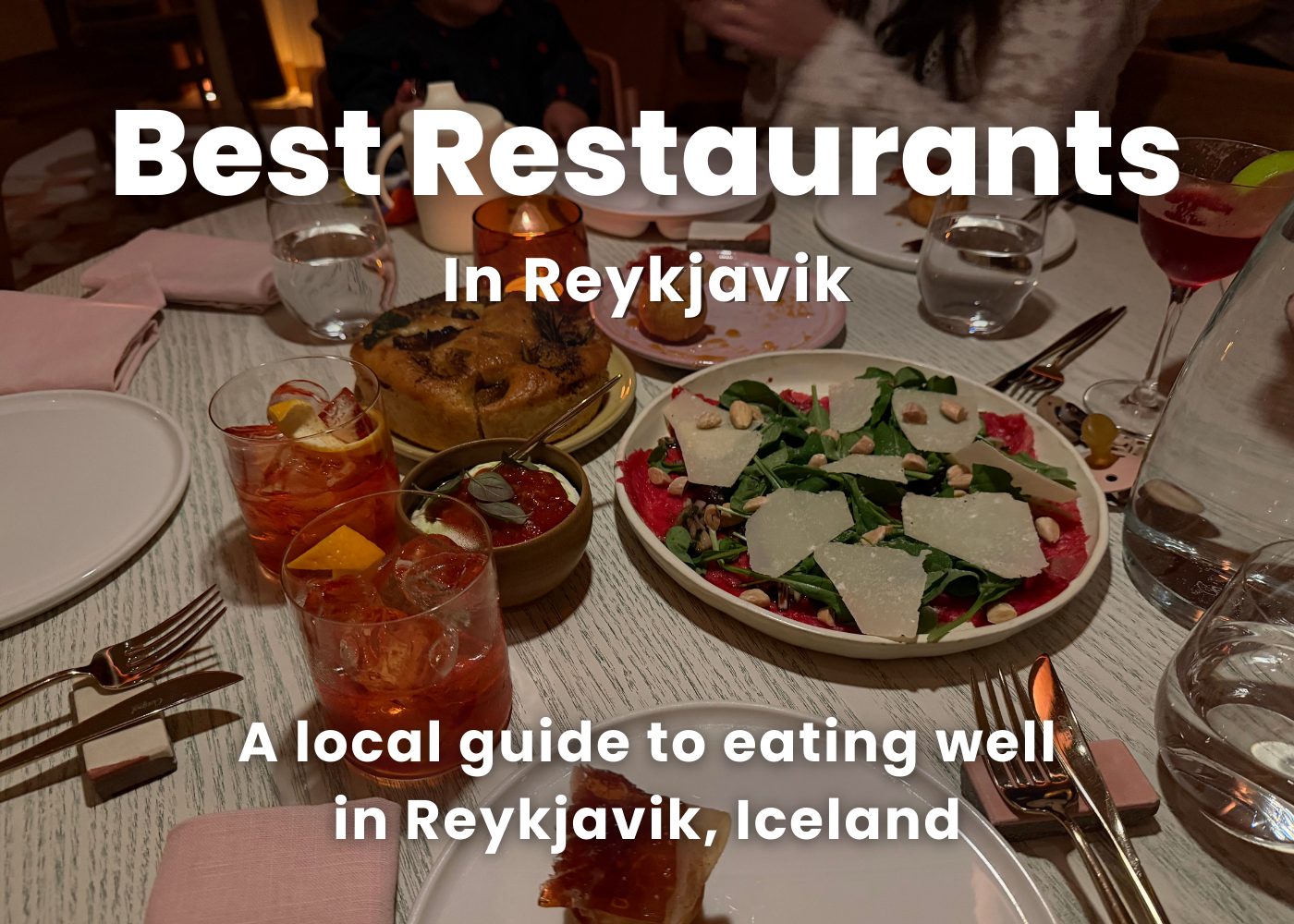

What to Eat in Iceland: 10 Traditional Icelandic Foods You Must Try in Reykjavik
What to eat in Iceland? Start with the dishes that have shaped Icelandic life for centuries.
Icelandic cuisine at its core isn’t complicated or fancy. It’s practical, comforting and deeply tied to our landscape. Cold seas mean incredibly fresh fish. Pure mountain air creates some of the world’s best lamb. Long winters forced Icelanders to become creative with preservation and resourcefulness - building a food culture shaped by necessity, seasonality and survival.
These are the flavours Icelanders grew up with and the foods that still define our everyday cooking today.
In this guide, I’ll walk you through the most traditional Icelandic foods you should try during your trip to Reykjavik - from classic lamb soup and creamy fish stew to skyr, pastries and the famous Icelandic hot dog. I’ll explain what each dish is, why Icelanders love it, and (most importantly) where to try the best version in Reykjavik.
Let’s get started.

1. Icelandic Lamb

If Iceland had a national ingredient, it would be lamb. Our sheep roam freely all summer, grazing on wild herbs, moss and mountain grass while drinking fresh spring and river water. The result is meat that’s naturally tender with a clean, almost sweet flavour - and countless travellers on our tours have told me it’s unlike anything they’ve tasted elsewhere.
Most popular dishes:
- Lamb roasts: lambalæri (leg of lamb), lambaskanki (shank) and hryggur (rack) are true Sunday-dinner classics in Icelandic homes.
- Kjötsúpa (Icelandic lamb soup): a simple, warming broth of root vegetables and bone-in lamb that every Icelander grows up eating. It’s Icelandic comfort food at its purest.
Why Icelanders love it
Lamb is woven into our food culture. It’s the flavour of autumn, winter gatherings and family dinners. Because the animals live stress-free and eat only natural mountain forage, the meat tastes incredibly pure - and many Icelanders consider it one of the healthiest meals you can eat.
Where to try it in Reykjavik
You’ll find excellent lamb dishes on menus all over Reykjavik, but for the most authentic version of Icelandic lamb soup, join us on the Reykjavik Food Walk. You’ll taste a true home-style kjötsúpa served in one of our favourite local spots.
2. Skyr

Skyr has been a staple of Icelandic life for more than a thousand years. Tourists often call it yogurt, but it’s actually a fresh cheese - naturally thick, high in protein and low in fat. It’s one of the oldest food traditions we still enjoy daily.
Best ways to try it
- Classic skyr from the supermarket: Perfect for breakfast, a quick snack on the go or the ideal fuel for long road trips and adventures.
- In restaurants: Many chefs use skyr to create delicious mousse, cheesecake or fresh berry–topped desserts that give this ancient food a modern twist.
- In smoothies and smoothie bowls: Skyr is commonly used as a base to add protein and creaminess without making the meal feel heavy.
Why Icelanders love it
It’s healthy, filling and incredibly versatile. Icelanders grow up eating skyr in lunchboxes, after-school snacks and family road trips - and in earlier centuries, it was an essential staple that helped people survive long winters.
3. Fresh Icelandic Seafood
Surrounded by endless cold, nutrient-rich waters, Iceland produces some of the freshest fish in the world, and the flavour reflects that purity. Seafood - just like lamb - is the backbone of Icelandic cooking and one of the ingredients that kept Icelanders alive through the ages.
Most popular seafood dishes
- Fiskipanna: a home-style fish pan shared with the whole table, usually made from the fresh catch of the day cooked with butter, sometimes cream and vegetables.
- Cod, haddock, Arctic char, salmon: the everyday staples you’ll find in most Icelandic homes and restaurants.
- Plokkfiskur: a traditional comfort food often made from leftover fish from the day before - a creamy mashed fish stew with potatoes and cheese, served with warm rye bread.
- Harðfiskur: protein-packed dried fish, usually eaten with butter and a recommended local snack for road trips around Iceland.
- Creamy seafood soups: a local favourite, especially during the winter months.
Why Icelanders love it
Fish is deeply connected to our heritage, light on the stomach and incredibly healthy. Most families cook fish several times a week - it’s everyday comfort food.
Where to try it in Reykjavik
On the Reykjavik Food Walk, you’ll get an excellent introduction to Icelandic seafood traditions. Among the sampled dishes are a home-style fish pan with delicious Arctic char and a classic plokkfiskur stew. It’s one of the best ways to experience Icelandic seafood the way locals eat it.
Great restaurants for seafood include Íslenski Barinn or Messinn (very local and casual), Sjávargrillið and Fish Market (fine dining) and Skál! (creative nordic).
4. Traditional & Wild Icelandic Meats

Some Icelandic meats tell the story of survival more than cuisine. For centuries, we relied on whatever nature provided - whether through hunting, farming or using every edible part of the animal - to make it through long, harsh winters. Many of these meats are still enjoyed today, though often as seasonal specialties.
Traditional meats
- Whale: Eaten in Iceland since the settlement era. The most common types today are hrefna (minke whale) and langreyður (fin whale).
- Puffin, ptarmigan (rjúpa) and other wild birds: Seasonal delicacies traditionally hunted in rural communities and the highlands.
- Horse meat: Lean, flavourful and eaten occasionally in Icelandic homes.
- Wild reindeer: Found only in East Iceland. Icelandic reindeer meat is very rare today and mostly available around Christmas.
- Innmatur (organ meat): Historically important for survival. Includes liver, heart, kidneys, blood pudding (blóðmör) and liver sausage (lifrarpylsa).
Why Icelanders love it
Each of these meats carries a cultural story, rooted in survival traditions and rural life. Most are not everyday foods today, but many Icelanders still enjoy them during holidays or as special treats.
Where to try it in Reykjavik
You’ll find many of these meats offered as small tastings at traditional Icelandic restaurants across the city. Reindeer and ptarmigan are most common around Christmas, while whale and horse are available year-round at select local spots.
5. Icelandic Berries

Growing up in Iceland means spending late summer days crawling through mossy hills picking delicious berries - usually eating far more than you manage to bring home. You’ll find them almost everywhere around the countryside, and many families have their own “secret spots” they return to every year. Icelanders call this tradition berjamó - a blend of the words for “berries” and “the heath” where they grow.
Most common wild berries in Iceland
- Crowberries (krækiber)
- Blueberries (aðalbláber)
Why Icelanders love them
Berry picking is a beloved family tradition. As well as being a sweet and healthy snack, these berries appear in jams, desserts, sauces and even skyr toppings.
Where to try them in Reykjavik
Look for berry-based desserts in bakeries and restaurants. If you’re travelling in late summer or early autumn, you may even spot wild berries in the hills around you during day tours or countryside drives - feel free to snack on them straight from the moss like locals do.
6. Icelandic Ice Cream Culture

One of the most surprising things about Iceland is how much ice cream we eat - year-round. Cold, dark winter days don’t stop Icelanders at all. Why this tradition started, no one really knows, but it’s deeply ingrained in everyday life.
Because of the weather, you’ll rarely see locals walking around outside with ice cream. Instead, many Icelanders go on an Ísbíltúr - literally an “ice cream drive.” Couples, families and friends pick up ice cream from their favourite shop, drive around town and chat about life while eating far more ice cream than they planned.
Ice cream to try
- Soft-serve ice cream as “bragðarefur”: large portions of soft serve mixed with sweet toppings and eaten with a spoon.
- Homemade, creamy ice cream: often served in local restaurants.
- Skyr-based ice cream: common in good local restaurants.
- Gæta Gelato: excellent Italian-style gelato with locations in downtown Reykjavik.
Why Icelanders love it
It’s nostalgic, social and a staple weekend treat. Going out for ice cream is practically a national sport.
Where to try it in Reykjavik
On the Reykjavik Food Walk, you’ll taste a homemade ice cream served with rye bread and rhubarb dressing - a guest favourite. If you have a car, drive to Ísbúð Vesturbæjar or Ísbúð Huppu and try your own version of the Icelandic ice cream drive.
7. Classic Icelandic Pastries

No Icelandic day is really complete without a stop at the bakery. These are three of the most authentic and beloved pastries you’ll find across Iceland.
Classic Icelandic pastries
- Hjónabandssæla: a crumbly rhubarb oat cake. Very traditional and commonly homemade, often served for Sunday coffee or brunch. The name translates to “happy marriage cake.”
- Vínarbrauð: a flaky pastry filled with vanilla cream or custard, inspired by Danish baking traditions.
- Kleinur: the beloved Icelandic twisted doughnut, lightly spiced and fried.
Why Icelanders love them
These pastries are closely tied to childhood memories, family gatherings and slow Sunday coffee visits with grandparents. Almost every Icelander grows up eating them.
Where to try them in Reykjavik
Visit any good local bakery around town, or ask your hotel for a nearby favourite. All three are widely available and easy to find.
See also: The best coffee shops & bakeries in Reykjavik (a local 2026 guide)
8. The Icelandic Hot Dog

Simple, cheap and iconic. The Icelandic hot dog has been the go-to fast food in Iceland since 1937, and the hype hasn’t slowed down since. Icelandic hot dogs are mainly made with lamb, which makes them very Icelandic and also gives them their distinctive flavour.
What to know before ordering
- Pylsa með öllu: When ordering a hot dog in Iceland, always ask for “one with everything.” This includes the lamb hot dog, raw onions, crispy onions, ketchup, sweet mustard and remoulade.
- Hot dogs are sold almost everywhere in Iceland, but the original and still the local favourite is Bæjarins Beztu Pylsur, a name that simply means “the best hot dogs in town.”
Why Icelanders love it
It’s genuinely delicious, nostalgic and incredibly convenient. Every Icelander has childhood memories tied to hot dogs, whether after school, as a family dinner or on road trips.
Where to try it in Reykjavik
Go straight to Bæjarins Beztu Pylsur, the most famous hot dog stand in Iceland.
Or try one as part of the Reykjavik Food Walk, where we make a VIP stop at the stand and share the stories behind this Icelandic classic.
9. Þorramatur (Traditional Midwinter Foods)
Þorramatur is the name for the traditional foods eaten during Þorrablót, Iceland’s midwinter celebration of preservation methods and the foods that kept people alive through cold winters. With roots in the Viking Age, Þorrablót honours the resilience of Icelanders who survived when nothing grew and nothing could be harvested.
Today, Þorrablót is a lively winter gathering held by families, workplaces and communities, centred around traditional food, storytelling, humour and toasts. It’s a playful nod to how Icelanders once made it through long, frozen winters.
Typical Þorramatur foods
- Hákarl (fermented shark)
- Brennivín, Iceland’s signature schnapps
- Smoked lamb, cured and preserved meats
- Harðfiskur (dried fish) and rúgbrauð (rye bread)
- For the brave: sour ram’s testicles, sheep’s head, blood pudding and other preserved offal, still considered special treats by some older generations, but largely avoided by younger Icelanders
Why Icelanders love it
Þorramatur is about heritage and tradition rather than everyday eating. Most younger Icelanders don’t sit down to a full Þorramatur feast today, but tasting fermented shark with Brennivín has become a fun rite of passage for connecting with Iceland’s past.
Where to try it in Reykjavik
On the Reykjavik Food Walk, guests who are feeling brave can try a tasting of fermented shark and learn the story behind this iconic Icelandic tradition.
10. Icelandic Candy Culture

Icelanders take their candy very seriously - especially when it comes to licorice. Candy isn’t just a treat here, it’s part of everyday life. From childhood favourites to slightly strange chocolate combinations you won’t find anywhere else, Icelandic candy culture is something we’re genuinely proud of. Love it or hate it, it’s one of the most uniquely Icelandic food experiences you can try.
Must-try Icelandic treats
- Icelandic licorice (lakkrís): Classic black licorice in many forms, from old-school gammeldags lakkrís to lakkrís konfekt and chewy licorice shoelaces known as lakkrísreimar.
- Chocolate and licorice combos: A national obsession, and probably the single most popular candy in Iceland. If you try just one, make it Þistur - a layered chocolate bar with a soft licorice centre.
- Other iconic Icelandic chocolates:
- Nóakropp: crispy chocolate-covered rice balls
- Hraun: crunchy chocolate bites inspired by Icelandic lava
- Lindubuff: soft chocolate with a fluffy marshmallow filling
Why Icelanders love it
These treats are deeply nostalgic. Many have been around for generations and are tied to childhood memories, Saturday candy traditions and road trips around the country.
Where to try it in Reykjavik
Head to Krónan or Bónus supermarkets, both easy to find in central Reykjavik and stocked with the full range of Icelandic candy. Pick a few classics or experiment with whatever catches your eye. It’s one of the easiest, most fun and most addictive souvenirs you can bring home.
Want to Taste Icelandic Food With a Local?

If you want to try many of these dishes in one afternoon - without guessing where to go - the Reykjavik Food Walk is the easiest and most local way to experience Icelandic cuisine. You’ll taste traditional favourites, hear the stories behind the food and explore Reykjavik with guides who grew up eating these dishes.
You can learn more about the Reykjavik Food Walk here.
What to Eat in Iceland: A Local Takeaway
Icelandic food is shaped by survival and seasonality. From fresh seafood and grass-fed lamb to skyr, wild meats and berries, these are the foods Icelanders actually grow up eating.
You don’t need to hunt down fine dining to experience real Icelandic cuisine. Visit local bakeries, try the fish of the day, pick up skyr from the supermarket and don’t skip the hot dog. If you want to taste many of these dishes in one go, walking Reykjavik with a local guide is one of the easiest and most rewarding ways to do it.
Written by Egill Fannar - Co-Founder of Wake Up Reykjavik
Born in Akureyri but a longtime local in Reykjavik, Egill lives right in the heart of the city - surrounded by his favorite cafés, restaurants, and bakeries (which he visits daily in the name of "research"). For over a decade, he's helped travelers experience Iceland like true locals - showing them the Reykjavik he loves, beyond the tourist trail. When he's not exploring the city's food scene, you'll find him out in the wild - hiking, camping, or cruising through the highlands in his jeep.
Frequently Asked Questions
- What is the most traditional food in Iceland?The most traditional Icelandic foods are lamb, fresh seafood and dairy products such as skyr. These ingredients have been staples for centuries and still form the foundation of everyday Icelandic cooking today.
- What food is Reykjavik known for?Reykjavik is known for fresh seafood, Icelandic lamb, hot dogs, pastries and modern takes on traditional Icelandic dishes. The city offers everything from casual local bakeries and cafés to high-end restaurants using local ingredients.
- Is Icelandic food good?Yes! Despite common misconceptions, Icelandic food is about much more than fermented shark and old preservation traditions. At its core, it’s simple, fresh and high quality, and modern Icelandic cuisine has become increasingly ambitious. Thanks to clean waters, grass-fed livestock and minimal processing, many travellers are pleasantly surprised by how flavourful and healthy Icelandic food tastes.
- Is Icelandic food healthy?Traditional Icelandic food is generally very healthy. It’s high in protein, rich in omega-3s, low in additives and based on fresh (often organic) local ingredients like fish, lamb, dairy and berries.
- What do Icelanders actually eat?Icelanders regularly eat fish, lamb, skyr, rye bread, soups and simple home-style meals. While foods like fermented shark exist, they’re mostly eaten on special occasions rather than daily.
- Do Icelanders really eat fermented shark?Yes, but mostly during Þorrablót in winter or as a cultural tasting. Fermented shark is not an everyday food for most Icelanders today.
- What is the famous Icelandic hot dog made of?Icelandic hot dogs are mainly made from lamb, with small amounts of pork and beef. This gives them a unique flavour that’s milder and richer than typical hot dogs found elsewhere.
- Is food expensive in Iceland?Yes, eating out in Iceland can be expensive. However, you can save money by visiting bakeries, cafés, casual local restaurants and supermarkets, which offer many traditional foods at lower prices.
- Where can I try traditional Icelandic food in Reykjavik?You can try traditional Icelandic food at local restaurants, bakeries and casual eateries across Reykjavik. Food tours like the Reykjavik Food Walk are the best way to taste several traditional dishes in one afternoon. Íslenski Barinn restaurant is a great spot for traditional food.
- What should I eat first when visiting Iceland?If you arrive hungry from the airport, you can’t go wrong starting with a hot dog at Bæjarins Beztu Pylsur. Fresh fish, lamb soup, skyr or a local pastry are all great options. These give you a great introduction to Icelandic food culture without feeling overwhelming.
- Is Icelandic food vegetarian-friendly?Traditional Icelandic cuisine is largely meat- and fish-based, so classic dishes are not especially vegetarian-friendly. That said, Reykjavik has a wide range of vegetarian and vegan restaurants, and you’ll easily find options like skyr, bread, soups and modern plant-based dishes. Vegetarian travellers will have no trouble eating well in Iceland. However, experiencing traditional Icelandic food on a strict vegan diet can be more challenging.
- What snacks should I try in Iceland?Must-try Icelandic snacks include skyr, dried fish (harðfiskur), Icelandic chocolate, licorice and pastries like kleinur and hjónabandssæla. All of the above are great snacks for travelling.